News

How to Prepare for living in your static caravan in winter

How to Prepare for living in your static caravan in winter

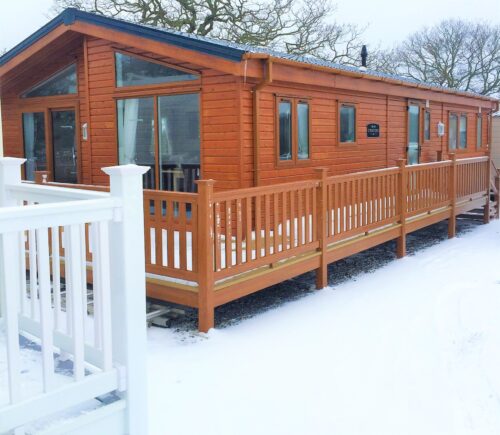
Modern static caravans make fantastic homes all year round, and are even great for winter breaks if you’re looking for a holiday home in the colder months. However, there are some considerations a UK caravan owner needs to make as the temperatures start to drop, with the aim of protecting your static caravan from the elements and making it as comfortable as possible to stay in.Delta Stratford static caravan in the snow

In this guide we take you through tips and advice to living in a static caravan in winter, and the best winter preparations to ensure you have a good season knowing you’ve done what you can to prevent damp, frozen pipes and irreversible damage.


Preparing your static caravan for winter

There are quite a few useful preparations you can make to have an enjoyable few months and enjoy those cosy evenings in.

Keep it warm

Just before you notice the temperature start to drop, invest in some thermal curtains, thick rugs, a portable heater, and thicker duvets and blankets for your bed. These items are great ways to add extra insulation to your static and to keep you from feeling the cold. They can also offer great value as static caravan owners can use them again and again each winter.

Another useful way to keep warm is to make sure no furniture is blocking your radiators, preventing the warmth from efficiently flowing through the rooms. This is less important in the summer when the heating will be on less, but you can really feel the difference in a cold snap.

If your budget allows and you don’t already have central heating, this would also help as a long term solution. Many static caravan owners now benefit from models with central heating designed in, and it is sometimes possible to upgrade an existing static.


How to shut down a static caravan for winter

If you’re not staying in your static for winter and it will be an empty static caravan (no renters), then you need to make preparations and shut it down for the season. Doing this properly will provide you with peace of mind that it will stay in a good condition until your return.

The process of shutting down a static for winter is often called ‘winterisation’ – you winterise your caravan for the season.

Drain down

A core preparation for winterisation is to drain down your static to prevent water freezing in your pipes. For most static caravans this involves removing any fittings that may retain water, flushing the toilet and putting antifreeze into the basin and waste pipes, and turning off the water supply before running the taps and shower until all the water is gone from the caravan’s pipes. This process can be fairly intensive and an important task, so it might be worth checking if your park offers a drain down service you could benefit from.

There are several other preparations involved in shutting down static caravans for winter:

Interior

  • Remove any valuable items from all the rooms
  • Stand mattresses to prevent damp forming
  • Use vacuum storage bags for any clothes and bedding staying in the caravan
  • Remove any perishables such as food and drink
  • Allow for good air circulation; keep internal doors open and wardrobe doors open
  • Have a good general clean to prevent mould and attracting rodents; vacuum all the carpets, wipe down the kitchen surfaces etc
  • Clean out the fridge and freezer
  • Turn utilities off – gas, electric and water supply
  • Check air vents
  • Leave curtains open (this can prevent mildew and is often the advice from caravan parks)

Exterior

  • Check your static caravan guttering for any blockages and maintenance issues
  • Look for any leaks or gaps in the roof and chassis
  • If there’s a lot of vegetation under and around your static, even going up the sides, clear it for winter to discourage wildlife and for general upkeep
  • If you have anything out on your decking such as outdoor furniture, store these away to prevent theft and to save them from the elements


Similar Articles

Decking and Skirting Advice

Decking and Skirting Advice

Decking and Skirting Advice Decking & Skirting This article aims...

Read More
Future-Proof Your Home: The Benefits of Multi-Generational Annexe Extensions

Future-Proof Your Home: The Benefits of Multi-Generational Annexe Extensions

Future-Proof Your Home: The Benefits of Multi-Generational Annexe Extensions In...

Read More
Do I Need Planning Permission for a Static Caravan on Private Land?

Do I Need Planning Permission for a Static Caravan on Private Land?

Please CLICK HERE to see our wide range of homes...

Read More
What Does Residential BS3632 Mean

What Does Residential BS3632 Mean

  The BS3632 Standard Explained When purchasing a Park home or...

Read More
News

Introducing Sandra, the New Sales Director of Carnaby

Introducing Sandra, the New Sales Director of Carnaby

We would like to introduce Sandra, Sales Director of Carnaby

Sandra Carter sales director of Carnaby caravans


Sandra, how did you originally get into the caravan industry?

I married into it my husband and I lived in Poole, My Husband worked for CI  caravan international , when the country hit a down turn we decided to go to a sister company in SA in 1980 , stayed there for 4.5 years came back to Poole and Rae started a job at BK where he eventually became director .


How did you come to work at Carnaby Caravans?

As you know the industry is a small cottage industry everyone knows each other , I was offered a sales role in 2006 where I was employed as an area manager.


What would you say are 3 things that motivate you the most?

I Believe in what Carnaby produce,  enjoy my role enormously, work with an amazing  team.


What are your Hobbies?

I have little time , as my home life has changed due to my husbands stroke, but I would say having quality time with grandchildren and entertaining at home when we can.


Covid was a trying time for all companies, what challenges did you / or the caravan industry face  and how did you overcome them?

It was challenging for everyone , but I would say Carnaby made a conscious decision to work to our strengths, we only took orders we could achieve, we were honest with our suppliers only placed orders for materials to complete orders, paid our suppliers on time to make sure when we got back to normal production they remembered who worked in partnership with them.


Why do you think Delta has remained so successful for so long ?

Don’t know about Delta but Carnaby has been going since 1976, I believe because we are privately owned we make the decisions based on what is right for Carnaby and our customers we are not, a company where computer says no, we value  each and every customer, we get to know them and their park, its important to us whether you have 10 pitches or a 100 pitches .

You get the same level of respect and service from our team.


How do you see the Mobile Home market changing in the next 5 years?

I have been around a number of years seen the highs and lows , this time is no different , its back to basics call on your customers listen to what is going on around you , work in partnership between park and manufacturer , the end user will always love a holiday home it is with out doubt  the one place a family feels safe with their children , from the minute you turn that key you are on holiday, this is priceless.

Good old fashion quality time with your loved ones and friends, to this day regardless of any financial gains you may have , a caravan holiday is still one of the easiest stays, hassle free holidays you can have.

At The UK Caravan Centre we have a wide range of New Carnaby homes available, click here or call our Sales Team on 0800 2461206 to find out more.


Similar Articles

Buying a Static Caravan vs Renting a Home During a Self-Build Project: Which is Right for You?

Buying a Static Caravan vs Renting a Home During a Self-Build Project: Which is Right for You?

Building your dream home is an exciting adventure—but it also...

Read More
2026 Trade Show Highlights – Recap & Product Overview

2026 Trade Show Highlights – Recap & Product Overview

The 2026 trade show season saw a change from the...

Read More
Static Caravan Cladding Explained

Static Caravan Cladding Explained

Cladding is the material that covers the outside of a holiday...

Read More
What causes condensation in static caravans, and how to control it

What causes condensation in static caravans, and how to control it

Imagine waking up on a chilly morning in your static...

Read More
News

The Ultimate Guide to Spending Your Summer Holiday in Britain

The Ultimate Guide to Spending Your Summer Holiday in Britain

Another great British summer is upon us. With the school holidays underway, it’s time to get out and explore the best our nation has to offer, whatever the forecast might have in store.

Whether you’re looking for a day at the beach or to stretch your legs in the fells, our guide to spending your summer holiday in Britain has it all. We reveal the top destinations, campsites, hotels and things to do – from north to south, shoreline to summit, come rain or shine. If you’re looking for quieter inspiration we even reveal the secret to crowd-free and cheaper holidays in Britain and the quirky corners of our nation yet to be discovered by holidaymakers.

All that’s left for you to do is pack up the car, crank up the playlist and don’t forget your wellies – it’s time to make it a summer to remember.

The best national parks

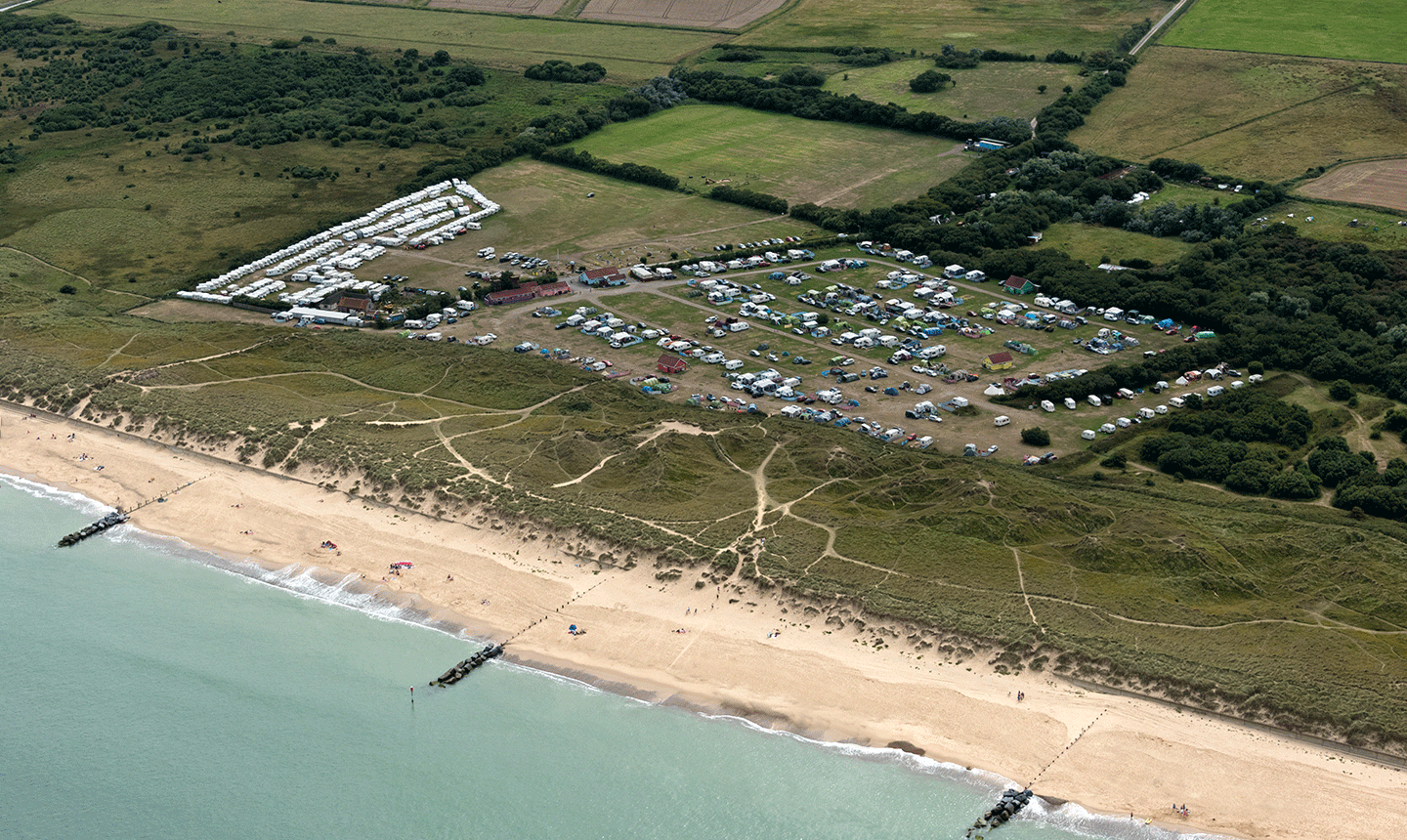
The UK is blessed with 15 showstopping national parks – these protected wild spaces come into their own in the summer monthsWaxham Sands Holiday Caravan Park

But planning the perfect trip to any of the national parks can be overwhelming – where should you stay, which activities should you try and how do you get there smoothly? If you’d rather avoid baking on your beach towel this summer, our local experts lift the lid to help you make the most of the nation’s natural gems in our dedicated guides.

The best beaches and islands

Forget rolling countryside, do you want ice cream, sandcastles and sea breezes instead? The best place to start would be our expert guide to Britain’s 20 greatest beaches, from Cornwall to the farthest reaches of Scotland. If remote and untouched is more your vibe, check out one of these little-known strips of sand instead.

Britain’s coastline is brimming with delights away from the sand, too – including some of the nation’s most beautiful seaside villages and hotels. Offshore, our native islands are hidden treasures for holidaymakers – whether they’re beautiful or car-free, our experts have visited them all, so you can find the right fit.

If you’d rather avoid the crowds at the coast, but still fancy a dip, our experts reveal the nation’s top lidos and outdoor pools. Or give wild swimming a go at one of our top choices.

If you’re simply planning a family picnic to pass the time, we reveal the top spots across Britain to unfold the gingham.

The best walks

If there’s a better way to enjoy the long summer days than with a walk through picturesque surroundings to a characterful pub, we’ve not discovered it. To help you put your best foot forward this summer, our expert on everything related to rambling and real ale has chosen his favourite routes starting and finishing at a great pub.

If you’re looking to clock up the miles, our choice of crowd-free alternatives to the UK’s most popular routes is further inspiration, or why not trade in the mountains for the coast, with the nation’s best trails with sea views?

The best staycation hotspots

Aside from beaches, mountains and national parks, Britain is brimming with wonderful regions and cities to spend the summer exploring.

Our experts are all insiders and have written knowledgeable guides to help you plan the perfect visit. Whether it’s finding the best restaurants, a refreshing pub, a cool new attraction for a rainy day or a local brunch spot, we’ve got it covered in our destination guides, from the Pembrokeshire to Cornwall, and Edinburgh to Bath.

The best alternative destinations

Beyond the big names there are abundant secret British hideaways yet to be discovered by holidaymakers. If you’d prefer to spend your summer exploring beyond the beaten track, our insiders lift the lid on faded seaside towns that are worth visiting and corners of the nation tourists (wrongly) forget, including the unsung appeal of our AONBs.

To help you discover the best of Britain we’ve also mapped 150 of these weird and wonderful places – below you’ll find the stories behind some of our favourites.

The best campsites and hotels

Once you’ve chosen where you’re going and what you’re doing when you arrive, the final piece of the holiday puzzle is where you’ll stay.

From coastal campsites and luxury glamping, to seaside hotels and pubs with rooms – Check out our Park Locator here: Holiday Parks – UK Caravan Centre

Credit to MSN/Telegraph :  The ultimate guide to spending your summer holiday in Britain (msn.com)

Similar Articles

Can I Rent Out My Annexe

Can I Rent Out My Annexe

Can I rent out my annexe? In this blog we’ll...

Read More
Static Caravan Cladding Explained

Static Caravan Cladding Explained

Cladding is the material that covers the outside of a holiday...

Read More
Things To Consider When Buying A Home For Your Own Land

Things To Consider When Buying A Home For Your Own Land

There’s a handful of reasons why you may want to...

Read More
Biggest Holiday Trends 2023

Biggest Holiday Trends 2023

Brits are looking to save money on their holidays next...

Read More
News

Affordable Accommodation on Your Loved One’s Property

Affordable Accommodation on Your Loved One’s Property

Using a static caravan as annexe accommodation in your garden can be a practical and cost-effective solution to create extra living space. It is becoming an increasingly popular option for homeowners who need additional space for guests or family members, especially those who have additional needs such as elderly parents or disabilities, and those who are facing difficulties as first-time buyers.

It has been widely reported that the ratio of house prices to average earnings is so high that it has become prohibitive for those looking to enter the property market, and demand for rental properties has outstripped supply so heavily that in some areas there are over 20 applicants for each rental property.  The supply-demand imbalance has led to a rise in homeowners purchasing static caravans as an affordable and practical solution.

ABI Franklin annexe annex accommodation static caravan mobile home

Here are some key points to consider:

PLANNING PERMISSION:
Before you proceed with placing a static caravan in your garden, you should check local regulations and planning permissions. In some areas, there may be restrictions on the use of caravans as permanent living spaces, and you may need to obtain specific permissions from the local authorities (for example if you are within an Area of Outstanding Natural Beauty AONB).  However, in most cases, planning permission is not required, as per s29 of the Caravan Sites and Control Development Act 1960 (which specifies the characteristics of a caravan) and Section 55(1) of the Town and Country Planning Act 1990 (which specifies whether there is an element of ‘development’ or change of use of land and/or buildings).

An example of this occurred in February 2019, when a LDC (Lawful Development Certificate) was issued confirming that the siting of a mobile home within the grounds of a dwelling in Kent was lawful, provided it was occupied by the elderly parents of the occupiers of the house.

The council was opposed to the certificate being issued having regard to its size, the facilities it would contain, its connections to services and its ability to provide independent living accommodation. However, the inspector noted that it fell within the definition of a mobile home under the Caravan Sites and Control of Development Act 1960 and did not exceed the size limits prescribed under the Caravan Sites Act 1968. It would be sited close to the house and would not have a separate curtilage. The elderly relatives required assistance with their day-to-day living and they would share the main house for meals and family socialising. Consequently, it would not result in a material change of use.

PURPOSE:
Determine the purpose of the static caravan. Will it be used as a guest house, an independent living space for a family member, a home office, or something else? Understanding its intended use will help you plan the layout and amenities accordingly.

SIZE AND LAYOUT:
Consider the size and layout of the static caravan. Depending on the number of people who will be using it and its intended purpose, you may need a larger caravan with multiple rooms or a more compact one if it’s just for a single individual.

UTILITIES
Check whether your garden can accommodate the necessary utilities for the static caravan, such as water, electricity, and sewage connections. You may need to consult with local service providers to ensure proper connections.

FOUNDATIONS AND STABILITY:
A solid and level foundation is essential for the stability and longevity of the static caravan. It is recommended to construct a concrete base to ensure the caravan remains safe and secure.

AMENITIES AND COMFORT:
Determine what amenities you want to include in the static caravan. This could range from necessities like a bathroom and kitchenette to more luxurious features like heating and air conditioning.

SAFETY AND REGULATIONS:
Ensure that the static caravan meets safety and building regulations. It should have proper fire safety measures, ventilation, and comply with other relevant building codes.

ACCESS AND PRIVACY:
Consider the access to the static caravan, and you may want to plan for some privacy measures like hedges or fences, depending on your preferences and any local regulations.

INSURANCE:
Check with your insurance provider to understand how the presence of a static caravan in your garden may affect your home insurance policy. You might need additional coverage for the annexe accommodation.

MAINTENANCE:
Like any structure, a static caravan requires regular maintenance to keep it in good condition. Make sure you are prepared for this upkeep.

It is worth noting that should your needs change at any time, there is always buoyant demand for pre-owned caravans, and we are able to assist in these situations.

Remember that using a static caravan as annexe accommodation is a significant decision, and should be approached thoughtfully and responsibly. Here at The UK Caravan Centre we can provide valuable guidance throughout the process, and help you to find the right mobile home for your needs and budget.

Please get in touch by calling 0800 246 1206 or fill in your details below:

Similar Articles

Ensuring Safety and Quality in Caravans – EN1647 & BS3632

Ensuring Safety and Quality in Caravans – EN1647 & BS3632

European & British Standards – EN1647 & BS3632 - Ensuring...

Read More
35 Questions to Ask When You Buy a Static Caravan

35 Questions to Ask When You Buy a Static Caravan

Are you looking to buy a static caravan? Owning a...

Read More
What is ‘Off-grid’ living in the UK?

What is ‘Off-grid’ living in the UK?

What is ‘Off-grid’ living in the UK? In the UK,...

Read More
The best UK holidays for families in 2024: An ultimate guide

The best UK holidays for families in 2024: An ultimate guide

Looking for your next family holiday for 2024, read through...

Read More
News

Let’s Talk Cladding

Let’s Talk Cladding

The majority of static caravans are fitted with aluminium cladding as standard (especially in the more budget-conscious ranges); however, other great options include thermoplastic, rigid vinyl or wood. Cladding is a particular type of material applied over another to provide a skin or layer and used to provide a degree of thermal insulation and weather resistance, and to improve the appearance of the structure.

Upgrades to your cladding can seem costly at first, but will undoubtedly save you money in the long run. One of the most popular choices for upgrades is CanExel high-density wood composite fibre, often considered to be the ultimate in static caravan insulation. The hard surface is very resistant to impacts and scratches, unlike aluminium, and is easy to clean. No regular maintenance is necessary, compared to wood-based cladding which requires surface treatment on a recurring basis, and it is of course moisture and pest resistant.

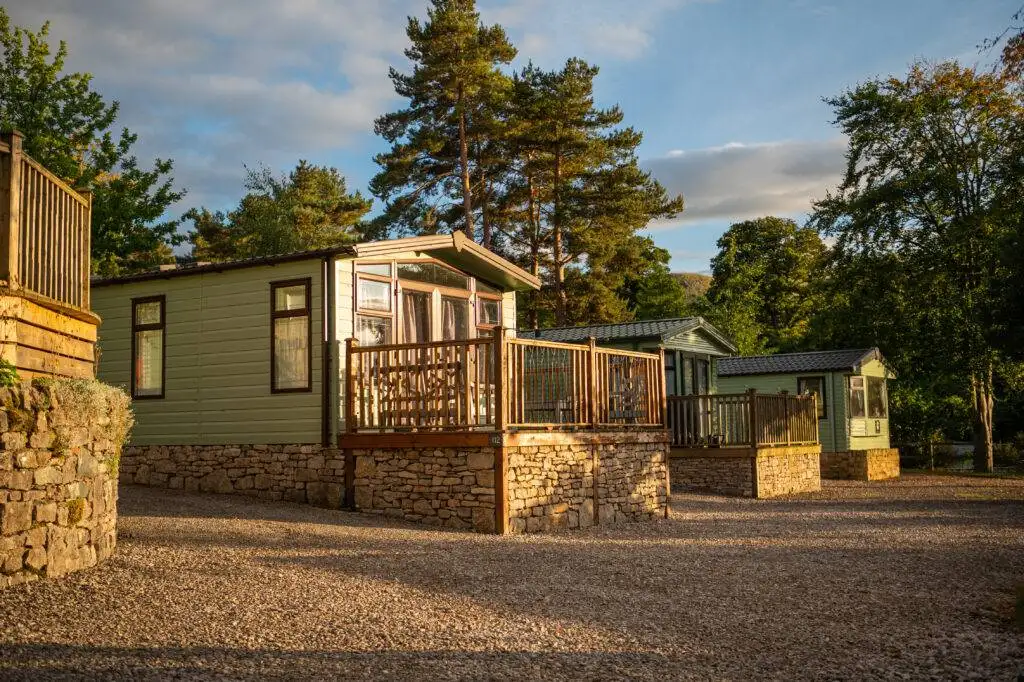
Lodge static caravan mobile home holiday park CanExel cladding environmental colour
Lodge park environmental cladding

CanExel is a type of cladding material that is commonly used in the construction of buildings, including static caravans. It is a brand name for a specific type of engineered wood siding that offers both aesthetic appeal and durability.

Here are some key features and characteristics of CanExel cladding:

Composition: CanExel cladding is made from wood fibers, resins, and wax. These materials are combined and compressed to create a strong, stable, and weather-resistant product.

Appearance: CanExel cladding is designed to resemble natural wood siding, providing a warm and authentic look to buildings. It is available in a variety of colors and textures, including options that mimic the appearance of cedar or other wood species. In some locations, whether it be on a holiday park or residential park or on private land, there may be specific rules governing the exterior colour of a caravan or lodge eg. specifying that only ‘environmental’ colours such as greens or browns are permitted, to blend in with rural surroundings.  In these situations it is quite common that the aluminium or PVC cladding options do not meet the colour requirements, often leading to an upgrade to a product such as CanExel.

Durability: One of the primary advantages of CanExel cladding is its durability. The engineered wood composition helps protect against rot, moisture, and insect damage, making it a suitable choice for exterior applications. It also has resistance to fading, cracking, and peeling, which helps maintain its appearance over time.

Low maintenance: CanExel cladding requires minimal maintenance compared to traditional wood siding. It does not need regular painting or staining, reducing the overall maintenance effort and costs associated with the cladding.

Installation: CanExel cladding is typically installed using a tongue-and-groove system, allowing for easy and secure installation. It can be fitted horizontally or vertically, depending on the desired aesthetic.

Energy efficiency: CanExel cladding often includes built-in insulation properties, contributing to the energy efficiency of the building. The insulation helps reduce heat loss, improving the thermal performance of the structure.

Environmental considerations: CanExel cladding is generally considered an environmentally friendly option. It is made from wood fibers, which are a renewable resource, and the manufacturing process typically involves using sustainable practices.

It’s important to note that CanExel is a brand name, and other manufacturers do produce similar engineered wood cladding products under different names.

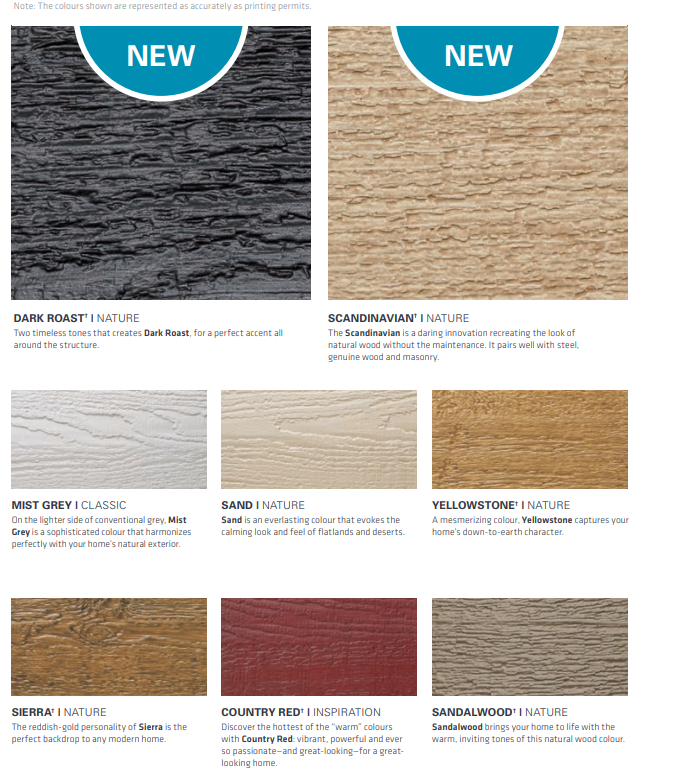
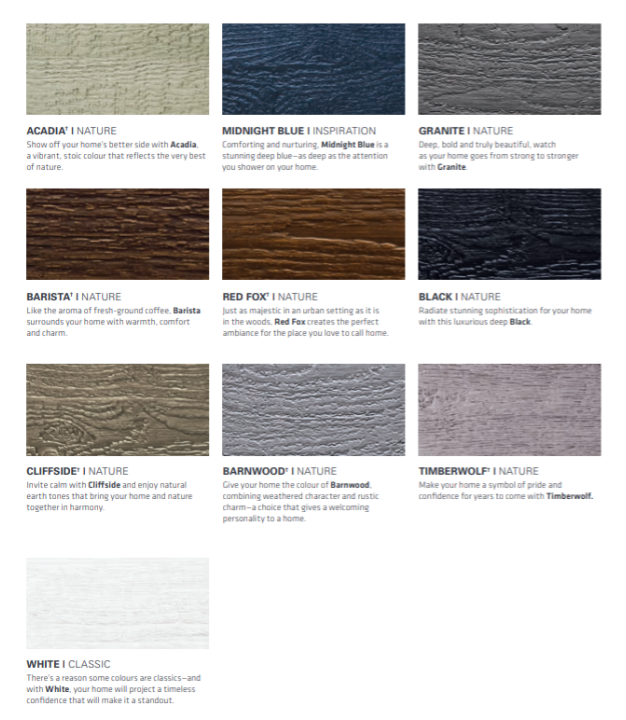
Here at The UK Caravan Centre we offer a wide range of exterior colour options for your home, so if you want an upgraded look for your home by choosing a custom cladding exterior, with different colour window frames, or if your home needs to blend into its surrounds, we will have an option to suit.

Canexel cladding static caravan mobile home lodge holiday home park exterior upgrade
CanExel colour options
Canexel cladding static caravan mobile home lodge holiday home park exterior upgrade
CanExel colour options

At the forefront of lodge & holiday home design and meeting the demands for a better quality and more practical product to replace the traditional aluminium cladding, we offer a wide range of different cladding options using the latest technology to bring benefits by way of lower noise transfer, lower maintenance, better insulation and higher durability.

Please get in touch with one of our team to discuss your requirements via telephone on 0800 246 1206 or simply fill in your details below:


Similar Articles

Guide To Buying A Holiday Home

Guide To Buying A Holiday Home

Owning a holiday home is so much more than four...

Read More
What is the new BS3632:2023

What is the new BS3632:2023

Guide to Understanding BS 3632:2023 Standards for Residential Park Homes,...

Read More
Biggest Holiday Trends 2023

Biggest Holiday Trends 2023

Brits are looking to save money on their holidays next...

Read More
What causes condensation in static caravans, and how to control it

What causes condensation in static caravans, and how to control it

Imagine waking up on a chilly morning in your static...

Read More
News

What Are Static Caravans Made Of?

What Are Static Caravans Made Of?

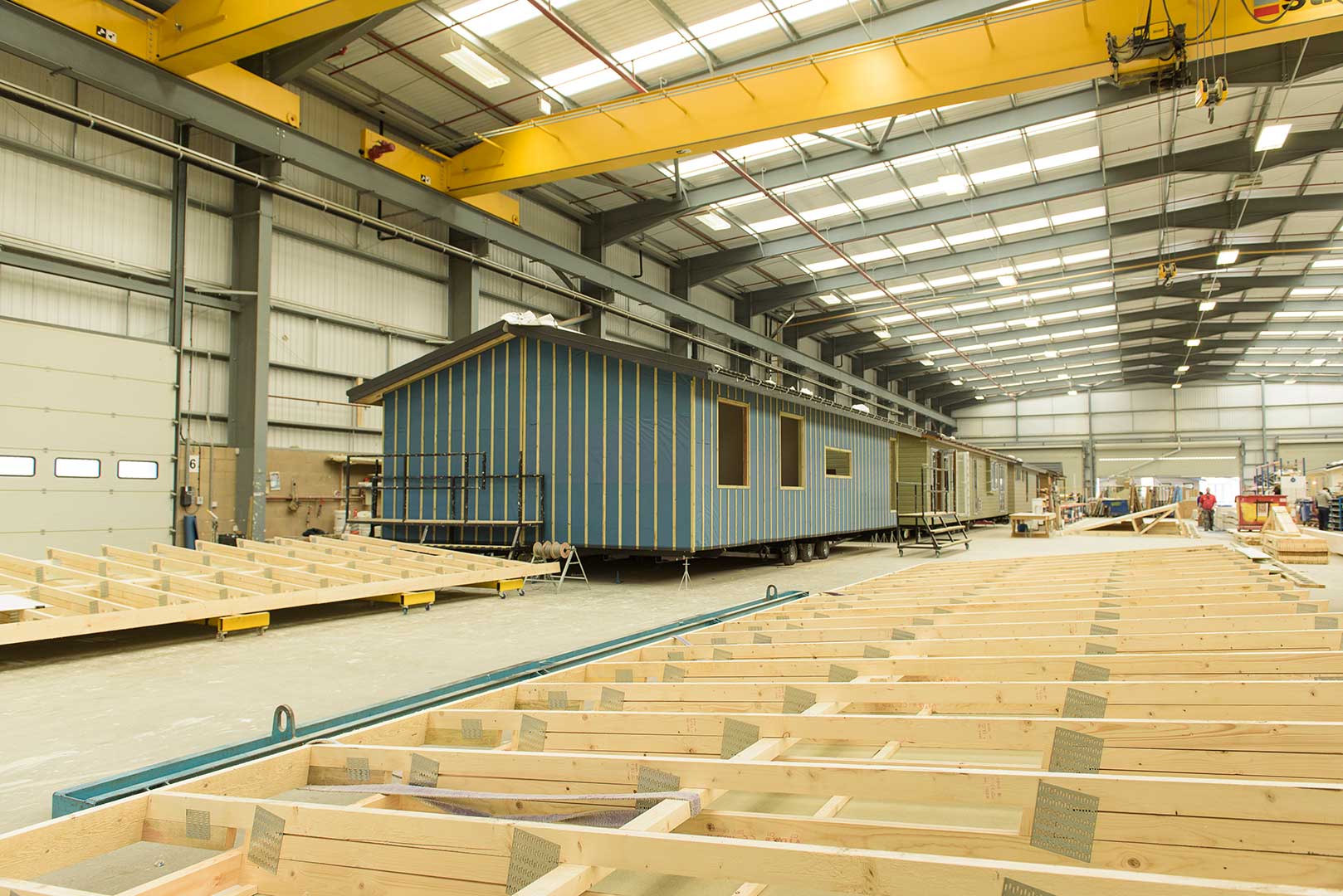
Static caravans, also known as mobile homes, holiday homes, park homes, or lodges, are constructed in a factory using a combination of materials that provide strength, insulation, and durability, before then being transported and installed at the customer’s desired location. The prefabrication process and exact materials used (which may vary depending on the manufacturer and specific model) make them a much more affordable choice than a traditional brick-and-mortar home in many instances. Here are some common materials used in the construction of static caravans:


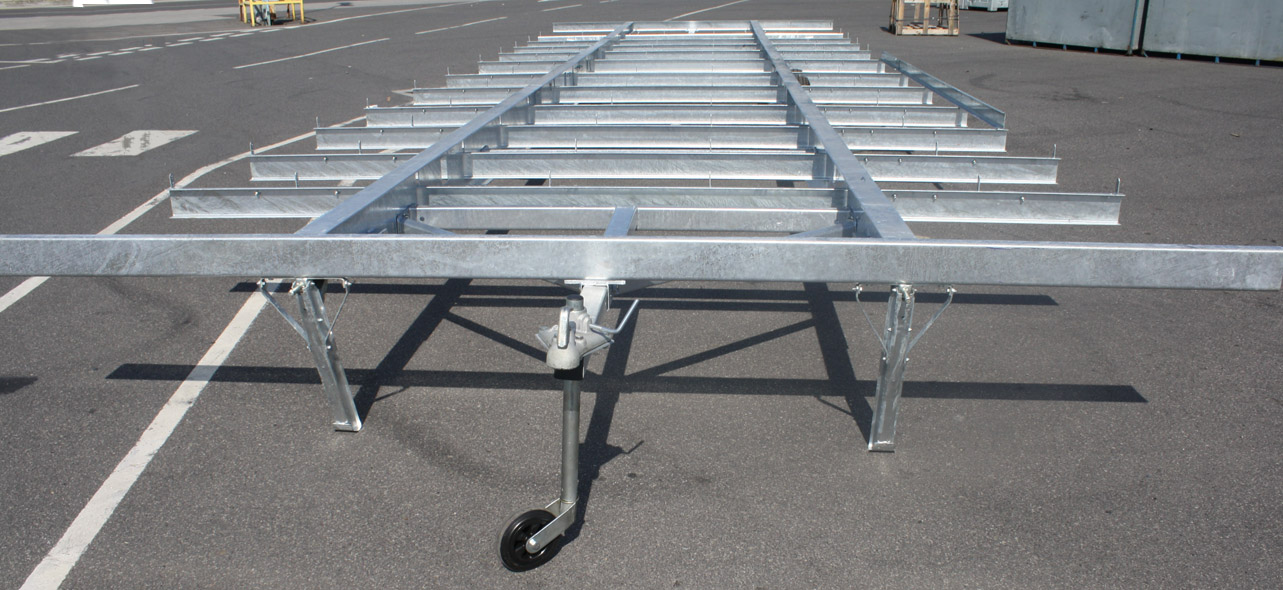
Steel chassis: The base of a static caravan is usually a steel chassis, which provides a sturdy foundation and structural support. Many manufacturers also offer the options of a galvanised or pre-galvanised chassis, although in most cases & locations this would not be a necessity.

Static caravan mobile home chassis


Timber frame: The main structure of the caravan is often made of timber, such as treated softwood or lightweight engineered timber. The frame provides the framework for the walls, floors, and roof.


Wall panels: The walls of static caravans are typically constructed using a combination of materials. The exterior side may consist of materials like weatherboard cladding, vinyl siding, or aluminium panels. Some manufacturers also offer optional upgrades to cladding such as CanExel which is a popular low-maintenance engineered wood cladding (made of wood fibres, resins & wax) with both aesthetic appeal and durability, and comes in a selection of colours to suit your surroundings and style.

On the inside, the walls may have plasterboard or other wallboard materials for finishing. For a smooth finish, the narrow vertical gaps between the wall-boards are usually fitted with a trim known as a ‘knock-in’.


Insulation: To provide thermal insulation and improve energy efficiency, static caravans often have insulation materials installed within the walls, floors, and roof. Common insulation materials include expanded polystyrene (EPS), mineral wool, or rigid foam insulation.


Roofing: The roof of a static caravan may be constructed using materials like metal, asphalt shingles, or fibreglass. It is designed to protect the interior from weather elements. Whilst the roof may look like it is constructed of individual ‘tiles’, this is not usually the case and is typically large sheets fabricated into a tiled-look finish.

Static caravan mobile home factory production line

Windows and doors: The windows and exterior doors of static caravans are typically made of uPVC (unplasticized polyvinyl chloride) frames, which offer good insulation and durability. They are often double-glazed to enhance energy efficiency.  The interior doors are now typically the very same type of timber doors that one would find in a regular bricks-and-mortar house.


Interior finishes: The interior of a static caravan may have various finishes, including wooden or laminate flooring, gypsum plasterboard walls, and ceiling panels. The specific materials used for these finishes can vary depending on the manufacturer and the desired aesthetic.


Furniture & soft furnishings: Most caravans now come fully furnished, including lounge and dining furniture (some may be fixed seating, whilst others may be free-standing), beds and fitted wardrobes, fully fitted kitchens (usually including appliances such as domestic twin-cavity ovens and hobs, and sometimes with additional options such as dishwashers, washer-dryers, integrated fridge-freezers, integrated microwaves etc.).  Depending on the manufacturer there may be options to choose the bespoke finishes to suit your taste.

luxury leisure lodge residential park home Landscape Living Augustine static caravan mobile

It’s worth noting that the materials used in static caravan construction may evolve over time as new technologies and advancements are introduced.

Our team at The UK Caravan Centre can guide you through the varying options to help you choose the caravan that best suits your needs and budget.  Please give us a call on 0800 246 1206 or fill in your details below:

Similar Articles

Additional Costs to Consider When Purchasing a Static Caravan

Additional Costs to Consider When Purchasing a Static Caravan

When you make the decision to buy a static caravan,...

Read More
Pros and Cons of Downsizing Your Home

Pros and Cons of Downsizing Your Home

Downsizing to a smaller home can be a real opportunity...

Read More
What causes condensation in static caravans, and how to control it

What causes condensation in static caravans, and how to control it

Imagine waking up on a chilly morning in your static...

Read More
Get Planning Permission For Your Annexe: Busting Annexe Myths!

Get Planning Permission For Your Annexe: Busting Annexe Myths!

How to get planning permission for your annexe In this...

Read More
News

Are Static Caravans The Perfect Solution for Farm Accommodation & Staff Accommodation?

Are Static Caravans The Perfect Solution for Farm Accommodation & Staff Accommodation?

In today’s fast-paced world, businesses often require flexible solutions to accommodate their staff. Static caravans have emerged as a popular choice for companies seeking cost-effective and convenient staff accommodation. These mobile homes offer a range of benefits, including flexibility, affordability, and a sense of community.

Types of key workers for caravan accommodation includes:

– Seasonal agricultural workers such as fruit pickers & vegetable pickers
– Animal handlers
– Equestrian centres
– Kennels
– Animal rescue centres
– Festival workers
– Peak-season resort staff
– Park rangers
– Landscapers
– Foresters
– Summer camp employees
– Tour and travel guides
– Fishery / fishing lakes workers

Static caravan mobile home farm staff accommodation

Here at The UK Caravan Centre we have years of experience in creating the best static caravan packages for our customers, which have included local businesses throughout Kent, Essex, Suffolk, Norfolk and the South East of England.

The UK Caravan Centre has been supplying on-site temporary accommodation using static caravans for many businesses over the years and unsurprisingly demand continues to grow.

In this article, we will explore the advantages of utilizing static caravans for staff accommodation:

Proximity and Convenience

Having staff accommodation in close proximity to the business is essential. Static caravans can be placed conveniently on-site, allowing staff members to reside just a short distance from their place of work. This proximity saves valuable time and energy that would otherwise be spent commuting, enabling staff to be readily available for early morning and late-night tasks if required. The convenience of having staff accommodation on-site ensures a swift response should there be any unexpected situations, and increases security.

Flexibility and Mobility

Many businesses often require flexibility in accommodating staff, particularly during busy seasons or events. Static caravans provide the flexibility required to adapt to changing staffing needs. These mobile homes can be easily relocated or added to based on requirements. Whether it’s an increase in the number of staff members or a need to transport & site accommodation to different areas of the business, static caravans offer a convenient solution without the need for extensive construction or infrastructure changes, making them a future-proofed choice.

Cost-Effectiveness

Static caravans offer a cost-effective alternative to traditional staff accommodation options. Constructing permanent buildings or renting apartments can be expensive and time-consuming. On the other hand, static caravans are pre-built and equipped with essential amenities, reducing construction costs. Their affordability allows businesses to allocate resources to other important areas and investments. Additionally, shared facilities and utilities in static caravans contribute to cost savings in the long run.

Comfort and Amenities

Modern mobile homes are designed to provide comfortable and functional living spaces, and the amenities ensure staff members have all the necessities for comfortable living. Adequate insulation, heating, and ventilation systems provide a cosy environment year-round, regardless of weather conditions. The availability of these amenities enhances the well-being and morale of staff members, contributing to a positive working environment.

Community and Collaboration

Static caravans used for staff accommodation foster a sense of community and collaboration among the staff members. Living in close proximity encourages interaction, teamwork, and the sharing of knowledge and experiences. This sense of community can enhance communication and coordination among staff, leading to improved efficiency and effectiveness, and morale and job satisfaction.

Work-Life Balance

Providing staff accommodation in static caravans promotes a better work-life balance for employees. By eliminating long commutes, staff members have more time to rest, relax, and engage in activities they enjoy. This balance is particularly important in industries that often involve long and demanding hours. and allows staff to pursue personal interests and maintain a healthy work-life equilibrium.

Conclusion:

Static caravans offer a practical, cost-effective, and convenient solution for staff accommodation. The proximity, flexibility, and mobility provided by static caravans ensure that staff members are readily available and adaptable to the business needs. The affordability, comfort, and amenities of these mobile homes enhance the well-being and morale of staff and contribute to a positive and efficient work environment. Farms, equestrian centres, fisheries, and many other businesses can benefit significantly from incorporating static caravans as an integral part of their staff accommodation strategy.

Contact us today.

We will find the right accommodation solutions for your business, seasonal or otherwise, whether you need a single unit or an entire fleet. For single units or bulk orders alike, our experienced team can arrange to deliver and site your static caravans to make your life that bit easier.

Should your business move on in the future, caravans can be transported and sited at a different location, making them a future-proofed choice. Or if you wish to sell on any of the units at the end of a season, for example, we can buy these back at market value, depending on our stock requirements.

We understand that permanent accommodation is not always financially viable so we offer a cost-effective, wallet-friendly solution with our low cost new & used static caravans.

As the best place to go for farm accommodation and staff accommodation, we are proud to deliver a stress-free, budget-conscious & convenient service.

To learn more about our static caravans & services, please call one of our team on 0800 246 1206 or fill out your details in the form below:

Similar Articles

Make Your Land Make YOU Money

Make Your Land Make YOU Money

If you own land, here’s a simple way to make...

Read More
Holiday Home and Static Caravan Glossary

Holiday Home and Static Caravan Glossary

If you’re new to the world of static caravans then...

Read More
Static Caravan Cladding Explained

Static Caravan Cladding Explained

Cladding is the material that covers the outside of a holiday...

Read More
What is the new BS3632:2023

What is the new BS3632:2023

Guide to Understanding BS 3632:2023 Standards for Residential Park Homes,...

Read More
News

Ensuring Safety and Quality in Caravans – EN1647 & BS3632

Ensuring Safety and Quality in Caravans – EN1647 & BS3632

European & British Standards – EN1647 & BS3632 – Ensuring Safety and Quality in Caravans

In many countries, including European countries, there are standards and regulations in place to ensure the safety and quality of static caravans. These standards typically cover aspects such as construction, safety, and environmental considerations, and serve as a benchmark for the caravan industry, promoting consistency and uniformity in design and construction practices, and ensuring the units are safe for dwelling.

EN 1647

EN1647 is the European standard for static caravans, which are intended for shorter-term, or seasonal holiday use – ‘recreational vehicles’ or ‘holiday homes’. This is because the EN1647 standard generally means that the mobile home won’t have an as high grade of insulation level and build quality as the BS3632 standards, but does cover specifications including (but not limited to):

Habitation requirements: This standard focuses on the requirements for the habitation areas of caravans, including features such as layout, ventilation, lighting, heating, and amenities. It aims to ensure the comfort and functionality of the living space within the caravan.

Chassis requirements – It aims to ensure the structural integrity and safety of the caravan’s chassis.


BS 3632

BS 3632, also known as British Standard 3632, is a certification standard first published in 1963 specifically related to residential park homes, caravans and lodges. This standard, more recently updated to BS 3632:2015, sets out the requirements for the design, construction, and performance of these types of accommodation units, and is much more stringent than the EN1647 guidelines.

Key Requirements of BS 3632:

Structural Integrity: BS 3632 specifies the structural requirements for static caravans, including guidelines for the chassis, frame, walls, and roof. These requirements ensure that the units are built to withstand transportation, installation, and the demands of long-term use.

Thermal Performance: The standard addresses thermal insulation and energy efficiency to ensure that mobile homes provide a comfortable living environment throughout the year, also including criteria for ventilation and heat loss prevention.

Fire Safety: BS 3632 includes requirements for fire resistance to enhance the safety of occupants. This involves the use of fire-resistant materials and construction techniques, as well as guidelines for the installation of smoke detectors and fire alarms.

Ventilation and Air Quality: The standard emphasizes the importance of proper ventilation and air quality. It specifies requirements for air exchange rates, ventilation openings, and the prevention of condensation to maintain a healthy and comfortable indoor environment.

Electrical and Gas Systems: BS 3632 covers the installation, operation, and maintenance of electrical and gas systems. It includes regulations for wiring, circuit protection, gas appliances, and compliance with relevant safety standards.

Size and Layout: The standard provides guidelines for the size and layout of park homes and holiday lodges to ensure they offer suitable and functional living spaces. This includes requirements for room dimensions, ceiling heights, and the provision of essential facilities.

EN1647 example static caravan

Benefits of BS 3632 Certification:

Quality Assurance: By adhering to BS 3632, manufacturers demonstrate their commitment to meeting high-quality standards. The certification assures buyers that the units have been designed and constructed according to rigorous requirements, resulting in durable and well-built accommodation.

Safety and Comfort: Compliance with BS 3632 ensures that park homes and holiday lodges meet essential safety and performance criteria, all of which contribute to the safety and comfort of residents.

Compliance with Regulations: BS 3632 certification helps manufacturers and suppliers meet legal and regulatory requirements and ensures the units comply with relevant building codes and industry standards.

Consumer Confidence: The BS 3632 certification provides potential buyers with confidence in the quality and safety of the static caravan. It serves as a reliable indicator that the units have undergone thorough testing and inspection, reassuring consumers about their investment.

Ultimately, with the BS 36362, by adhering to this certification standard, manufacturers demonstrate their commitment to delivering well-built, energy-efficient, and comfortable accommodations, and buyers can trust that their chosen units meet rigorous requirements and provide a safe and enjoyable living environment.


Conclusion

Both quality standards play a vital role in ensuring the safety, quality, and performance of mobile homes, but the scope of each varies depending on the likely use of the caravan, whether it be intended more for short-term/holiday use, or for longer-term residential use. Both offer buyers confidence that their purchase will be a quality product.

Should you have any queries, or wish to understand the classification of any of the static caravans we have to offer at The UK Caravan Centre, please call one of our friendly team on 0800 246 1206 or fill in your details below:

Similar Articles

Introducing the New Willerby GreEN Standard

Introducing the New Willerby GreEN Standard

Willerby cuts energy bills for mobile home owners and holiday...

Read More
2026 Trade Show Highlights – Recap & Product Overview

2026 Trade Show Highlights – Recap & Product Overview

The 2026 trade show season saw a change from the...

Read More
Holiday Home and Static Caravan Glossary

Holiday Home and Static Caravan Glossary

If you’re new to the world of static caravans then...

Read More
Future-Proof Your Home: The Benefits of Multi-Generational Annexe Extensions

Future-Proof Your Home: The Benefits of Multi-Generational Annexe Extensions

Future-Proof Your Home: The Benefits of Multi-Generational Annexe Extensions In...

Read More
News

Our Guide to Static Caravan Insurance

Our Guide to Static Caravan Insurance

Insuring your static caravan.

We know that buying and owning a mobile home is a major investment and commitment, and it’s important to get things right. Its not about just choosing the colour of the curtains or the number of bedrooms, but also the boring but essential concerns such as protecting your new home with static caravan insurance.

Some people save up & dream of owning a caravan for years before owning one, so it’s vital to be protected against any eventuality.  Here is the UK Caravan Centres guide to insuring your static caravan or lodge.

What is static caravan insurance?

Static caravan insurance can give you peace of mind and financial protection if something happens to your caravan or contents.  It is a type of insurance that covers your mobile home for loss or damage caused by events such as fire, storm, flood, theft or vandalism. It may also include cover for your caravan’s contents, public liability, home emergency and legal protection.

There are different levels of static caravan insurance available, such as new-for-old or market value cover. You may also need to consider optional extras such as damage caused by renters if you let out your caravan. The cost of static caravan insurance will depend on factors such as the value, age and location of your caravan, as well as the level of cover and excess you choose.

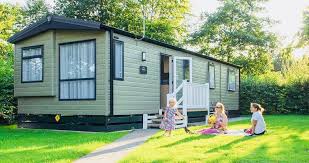
family playing outside a static caravan

Do you have to insure a static caravan?

You definitely need static caravan or lodge insurance. Here, at the UK Caravan Centre we cannot emphasise enough how much a static caravan needs to be covered by insurance. You should always take advantage of static caravan insurance as it will only work in your favour if something goes wrong. Granted, it doesn’t always happen, but it is better to be prepared than have something go wrong and you can’t afford the cost.

Although static caravan insurance is not a legal requirement, some caravan parks may require you to have it as a condition of keeping your caravan on their site.  Even if your site doesn’t, or you have your mobile home on private land, you’d be taking a huge risk by not insuring it.

You can’t be there to watch your home at all times, and there may be a risk of damage caused by other people or inclement weather, for example. Accidents can happen, and static caravan insurance will protect your bank balance if they do.

Having insurance provides peace of mind so that you can relax. Whether you’re on holiday or at home, you know that your investment is protected.

Types of static caravan cover.

There are a few more unusual types of cover or usage for static caravans, but by comparing quotes you can find the right policy for you.

Do you live in your caravan?

Park home or mobile home insurance covers a caravan that’s your permanent residence. If your caravan’s your permanent dwelling, your needs will be quite similar to a home insurance policy. Read your policy documents carefully to make sure you’re getting the right cover, including things like home emergency cover and a higher limit for contents if you need it.

Insurance for a static caravan in the garden

Do you keep your static in your garden, maybe as an extra bedroom or a home office? Make sure your insurance policy covers this, as some insurers will only offer insurance for static caravans on licensed sites. If you’re using your caravan for any work or trade purpose you’ll need to declare that too when you get a quote.

Cover for older static caravans

Most insurers will cover older caravans, but their new-for-old cover will usually only cover caravans up to 20 to 35 years old. If your caravan is older than 35 years, your insurer might offer to cover your static based on its market value, rather than a new-for-old basis.

What will your insurance cover?

As a minimum, your static caravan insurance should cover:

– Weather damage – you should be protected against damage caused by storms, floods and winter weather.
– Burglary and vandalism – if other people damage your static caravan, your insurance should cover the repairs. It may be that your unoccupied caravan is damaged when you’re not around, or that you’ve rented it out to someone that leaves it in a less-than-ideal condition.
– Third-party claims – what if someone else claims that your caravan has caused damage to them or their property? You may want static caravan insurance that covers potential legal costs. The costs of third party claims could be far more than you could ever afford, so it’s crucial to check that this is covered by your policy.

What won’t be covered?

There are some common exclusions to look out for on static caravan insurance policies. You usually won’t be covered for:

– Wear and tear
– Vermin and insect damage
– Damage or loss due to poor security
– Damage or loss while using your static caravan as a permanent residence, or renting it out, if you haven’t declared that when you took out the policy
– Using your caravan for trading

Before you take out an insurance policy, check the details of what it covers. Make sure it is the right policy for you and your property. For example, it’s highly recommended to get cover for winter and frost damage. This is a common and expensive problem, but one that some policies don’t cover.

How much is static caravan insurance?

The average cost of static caravan insurance is around the £300 a year mark, although you might pay more if you’d like cover for a more feature-packed mobile home or for external areas like decking.

Top tip – If your caravan is kept on a site that’s registered with the British Holiday & Home Parks Association (BH&HPA) or the National Caravan Council (NCC) you might get a discount on your policy – this is worth asking at your site office.

NCC Image logo National Caravan Council static caravan mobile homeBH&HPA


Is it easy to get caravan or lodge insurance?

It’s easy to set up an insurance policy for static caravans and lodges. You can buy static caravan insurance online, although you may prefer to phone to discuss your individual needs.

There are several companies offering insurance for static caravans and twin lodges. Some parks will require you to use a specific insurer, so it’s worth checking with your site office before you buy static caravan insurance.

What does an insurer need to know?

Be honest about how your static caravan is used. Are you the sole user, or are you renting it out to short-term holidaymakers? This can affect the price of your insurance, and what your insurer will pay out. If you provide the wrong information then you might invalidate your policy. If your usage changes during the policy, it’s essential to update your provider.

You might also need to tell your insurer if you’ve made significant changes to your caravan. Refitting and refurbishing may change your caravan’s value. You may also need a higher level of cover if you add high-value items, like games consoles or antiques, that might not be covered by a standard policy.

Recreational or permanent residence?

Find the policy that suits your residential situation. It is likely that you’ll need a policy specifically for recreational use. If you’re at a park where you can live permanently in your lodge or static, then you’ll need different insurance to cover this permanent residence.

Should you compare static caravan insurance?

There are several providers of static caravan insurance, and it’s imperative that you find the right one. Compare prices and quotes, but always check the small print to see what each policy covers. The cheapest policy may not cover everything that you’re going to face, but it’s also not always true that the most expensive policy is best. Rather than focusing entirely on price, check what each policy offers. If you’re not sure, call and speak to a person at the end of the phone line.

Getting a quote

Before starting your search for a policy, it is worth being prepared with the following information:

– personal details (contact details, date of birth, employment status)
– caravan details (make, model, size, year of manufacture, how it is being used such as holiday home, letting, permanent residence)
– site details
– caravan security (eg. alarm, corner anchor points, CCTV, site warden, security gates, perimeter fence)
– level of cover required (eg. value of caravan & contents, if any years of no-claims)

Remember, once your policy is in place, you’re protected financially against any risks. You can enjoy your static caravan without panicking if something goes wrong.

Our team here at The UK Caravan Centre are here to offer friendly and knowledgeable guidance on all aspects of your purchase, so please give us a call on 0800 246 1206 or fill in your details below:

Similar Articles

Dog Friendly Holidays

Dog Friendly Holidays

If you’re a dog owner, you’re probably used to planning...

Read More
Meet Gareth, Our Trade Manager

Meet Gareth, Our Trade Manager

Meet Gareth, who looks after all the parks we supply...

Read More
Advice on Siting a Static Caravan

Advice on Siting a Static Caravan

In most cases your caravan or lodge will be sited...

Read More
Buying a Holiday Home : Pros & Cons

Buying a Holiday Home : Pros & Cons

All the pros and cons of a static caravan on...

Read More
News

Introducing the New Willerby GreEN Standard

Introducing the New Willerby GreEN Standard

Willerby cuts energy bills for mobile home owners and holiday parks with new sustainability standard.

Here at The UK Caravan Centre, we are delighted to strengthen our relationship with market leader Willerby Holiday Homes, as they introduce a new, ground-breaking standard specification for their models to cut carbon emissions, make them more energy efficient and cheaper to run.

New Willerby GreEn Standard

Willerby is the first UK holiday homes manufacturer to introduce any kind of sustainability standard and the only one to offer a green build specification across the board.

Willerby’s new GreEN Standard will apply to all static caravans1 manufactured from October 2022 and will be adopted in the design and production of all future new models.

The change is the most significant innovation in the holiday homes industry since the introduction of double glazing and central heating.

It’s a key part of Willerby’s drive to put sustainability firmly at the heart of all its design processes and manufacturing operations and reinforces the company’s status as the UK holiday homes brand leader.

The GreEN Standard will reduce the energy consumption of Willerby’s holiday homes by up to 28%3, compared to models built to the previous specification.

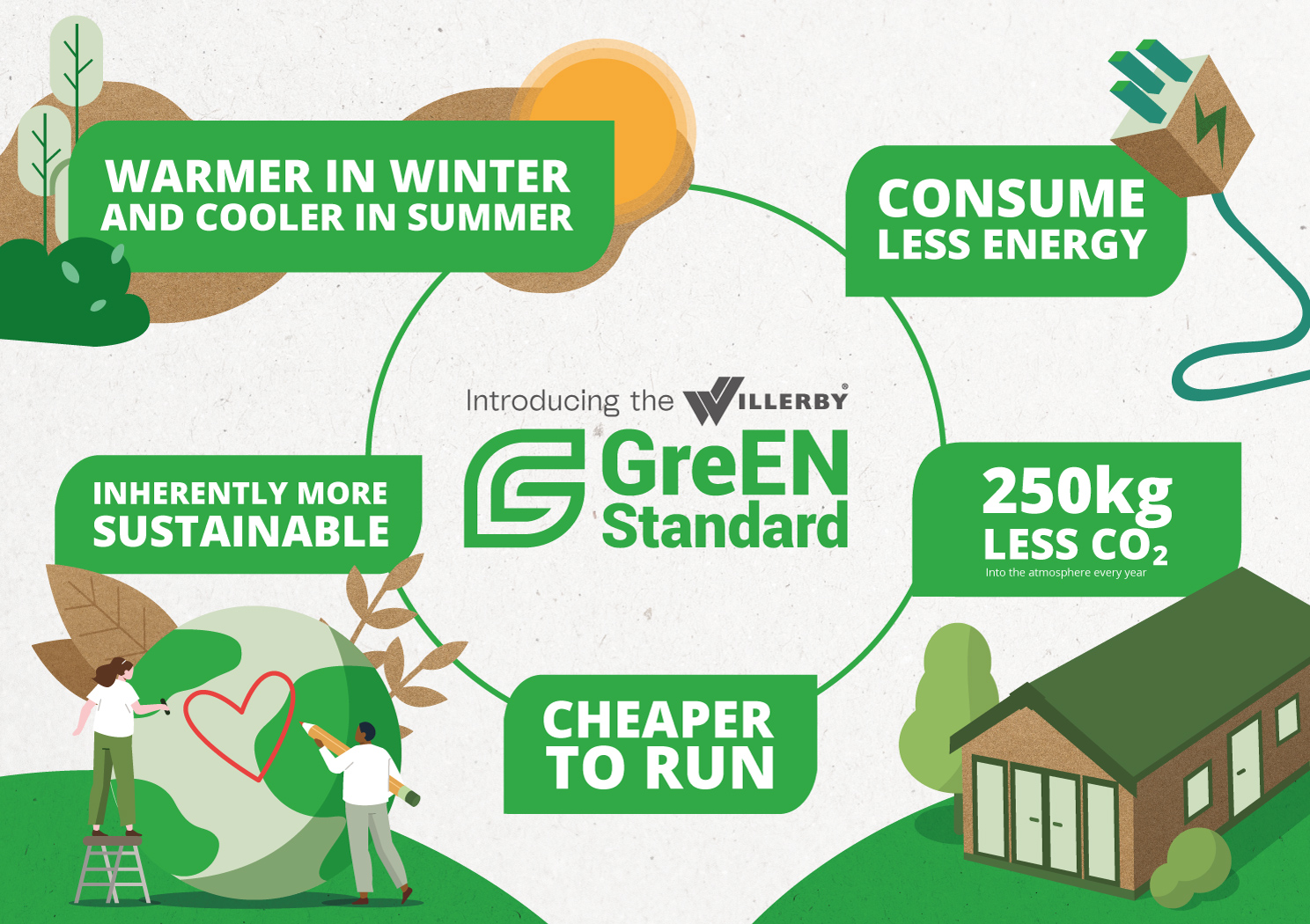
The new standard will mean Willerby’s holiday homes …

1. Are inherently more sustainable.

2. Consume less energy.

3. Are cheaper to run.

4. Will be warmer in winter and cooler in summer.

5. Will emit at least 250kg less carbon dioxide (CO2) into the atmosphere every year – the equivalent of driving 1,350 miles in an average petrol or diesel car.

Willerby has carried out comprehensive research into the carbon impact of its holiday homes in order to understand how this can be reduced. This included calculating the embodied carbon (emissions associated with materials and processes during manufacture) as well as the carbon footprint of holiday homes once in use.

As a result, Willerby’s new GreEN Standard incorporates:

1. A 100% increase in the thickness of exterior walls2.

2. Upgraded insulation in the walls, floors and roof.

3. Addition of “low emissivity” argon gas-filled double glazing, which emits low levels of radiant heat energy, to all windows and glazed exterior doors.

New Willerby GreEn Standard

Willerby CEO Peter Munk said: “Our new GreEN standard is a hugely significant development in our ongoing commitment to tackling the climate crisis.

“Our industry has an important role to play in the pathway to a sustainable future and I’m proud we’re leading the way in our sector with the introduction of this new specification. It puts sustainability at the very heart of all our product development and manufacturing operations.

“Further improving the energy efficiency of our holiday homes has the additional benefit of enabling owners to make significant savings on their energy bills, which is particularly important at this time when living costs are rising sharply.

“Holiday park operators will also benefit from reduced running costs on their Willerby GreEN Standard rental units, as well as this initiative contributing to the increased sustainability of their operations.

“In short, this is great for the environment and good for the pocket.”

Willerby has worked with several of its customers in the UK holiday parks sector during the research and development project that has led to the introduction of the GreEN Standard.

Willerby’s technical director Simon Tempest, the company’s board champion for sustainability, said: “As a major employer, and a leading player in the holiday homes industry, we recognise our responsibility to reduce the carbon impact of our operations.

“We’ve done a great deal in this area already, with the introduction of a raft of green initiatives. These include installing biomass boilers at our Hull site which convert waste wood into energy to heat our manufacturing facilities, saving 1,000 tonnes of C02 annually and avoiding hundreds of truck trips to remove this waste.

“The introduction of the GreEN Standard is a major leap forward in our sustainability journey and a game-changing innovation for the holiday homes industry.”

 What it means for static caravan owners

The GreEN Standard responds to the ever-growing desire for holiday home owners, like everyone else, to live more sustainably, reduce their energy consumption and save money on fuel bills.

1. The GreEN standard will deliver a reduction in annual carbon emissions of 28%3.

2. It will also cut energy consumption by 28%3, making it cheaper to run a holiday home.

3. The reduction in energy use will result in an annual saving of as much as £2493 on energy bills for privately-owned holiday homes, at a time when energy prices are rising significantly.

4. The increased insulation measures will make Willerby’s holiday homes warmer in winter and cooler in summer.

5. As green initiatives and sustainability credentials become ever more popular and prevalent, it is likely that Willerby GreEN Standard holiday homes will have higher re-sale values.

6. The GreEN Standard makes holiday home ownership an even more attractive staycation choice.

What it means for holiday park operators

The GreEN standard delivers a series of benefits for Willerby’s customers in the holiday parks sector.

1. All the major holiday park groups have in place, or are developing, Environmental, Social and Governance (ESG) plans that include a strong focus on reducing carbon emissions. The GreEN Standard will help park operators meet this challenge, as it means a significant reduction in carbon emissions for every new Willerby model on their parks.

2. The GreEN Standard will reduce carbon emissions by 28%4 for “fleet” models used for holiday rentals.

3. It will also deliver a reduction in energy consumption of 28%4, resulting in an estimated annual average energy bills saving of £7474 for each fleet model.

4. The initiative helps to address the widespread concern across the industry about the future supply of gas.

5. It will mean Willerby models on holiday parks are more attractive to buyers and as holiday rentals.

6. Because of the ever-growing desire and demand for sustainable choices, GreEN Standard models are likely to command higher prices when re-sold at the end of the fleet lifecycle.

7. The GreEN Standard will also help make holiday parks a more attractive proposition for banks and investors, who are placing an ever greater importance on sustainability when considering investment decisions.

We have a wide variety of Willerby caravans available to view online and at our showground.  Please call to speak with one of our UK Caravan Centre team to discuss how we can help on 0800 246 1206, or fill in your details below:
 

1Due to pitch constraints, our Ashurst models will not be built to the GreEN Standard specification.

212ft holiday homes only.

3Figure based on a Brookwood 40ft x 12ft three-bedroom model and 90 days occupancy. Saving based on 18p per kwh.

4Figure based on a Brookwood 40ft x 12ft three-bedroom model and 270 days occupancy. Saving based on 18p per kwh.

Similar Articles

NCC : What Does the NCC Approved Badge Mean

NCC : What Does the NCC Approved Badge Mean

  The NCC (National Caravan Council) has a crucial role...

Read More
What Are Static Caravans Made Of?

What Are Static Caravans Made Of?

Static caravans, also known as mobile homes, holiday homes, park...

Read More
How to site a Static Caravan or Lodge

How to site a Static Caravan or Lodge

Siting a caravan can be a daunting thing. Of course...

Read More
Meet Gareth, Our Trade Manager

Meet Gareth, Our Trade Manager

Meet Gareth, who looks after all the parks we supply...

Read More