News

Holiday Home and Static Caravan Glossary
Holiday Home and Static Caravan Glossary

If you’re new to the world of static caravans then you’ve probably noticed that there are lots of words and phrases used that might be new to you – or might be used in a different context to what you’re used to. We do our best not to use too much jargon – but sometimes it just can’t be helped.

So if you come across a word that you need to check up on this is the place to look. And if you find a word or phrase that isn’t listed here but you think it should be, why not drop us a message and we’ll see if we can get it added!

Useful Holiday Home Words and Phrases

  • All electric specification
  • Aluminium cladding
  • The basics package
  • Bespoke
  • BS 3632
  • Bulkhead
  • CanExel
  • Chassis
  • Cladding
  • Deluxe pack
  • Drain down
  • EN 1647
  • Galvanised chassis
  • Holiday home
  • Holiday park
  • Leisure specification
  • Lodge
  • Lodge specification
  • Luxury pack
  • Nearside
  • Offside
  • Park home
  • Pitch
  • Residential park
  • Residential specification
  • Rigid vinyl cladding
  • Section
  • Serial number
  • Single unit
  • Siting
  • Twin unit
  • Winterisation

All electric specification

Option that removes gas-powered appliances – such as the boiler and hob – and replaces them with electrical versions. Particularly useful if you are on a site with no easy access to gas supply.

Aluminium cladding

Type of cladding used on some static caravans and lodges. Lightweight, low maintenance, fully recyclable and offers good weather protection.

The basics package

Some of our most popular options pre-selected to make your purchase as simple as possible.

Bespoke

Our luxury park homes and lodges tailored to your requirements

BS 3632

Standard that a residential specification static caravan or lodge must be built and adhere to. Any home or lodge with the BS 3632 standard will be suitable for year-round use.

Bulkhead

Any interior wall.

CanExel

Premium wood composite cladding with a modern appearance and great insulating properties.

Chassis

Welded steel frame on which a static caravan or lodge is built. Fitted with a towbar and wheels for transportation.

Cladding

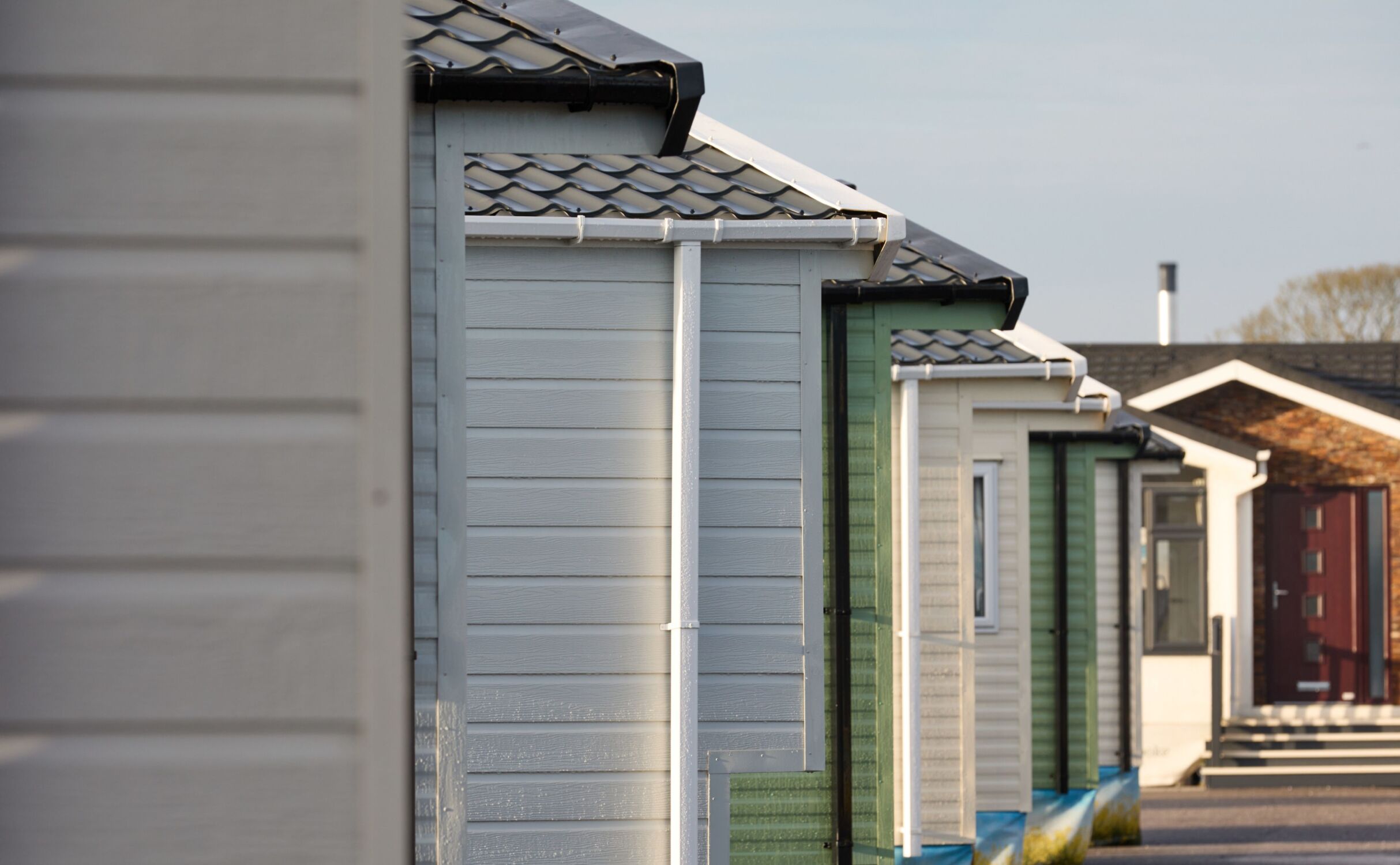
Exterior covering of your static caravan or lodge. Options include CanExel®, aluminium and rigid vinyl.

Deluxe pack

Collection of popular options bundled together into a single upgrade. Usually includes kitchen appliances like dishwasher and washer/dryer.  Only applicable to certain manufactures

Drain down

Process of removing fluids from your static caravan and checking anti-freeze levels to avoid freezing in winter. See also winterisation.

EN 1647

Standard that a leisure specification static caravan or lodge must be built to. Appropriate for seasonal use.

Galvanised chassis

Chassis where the steel frame has been coated in zinc to provide enhanced corrosion protection. Usually a requirement for static caravans and lodges on coastal locations. Galvanised chassis generally have 10 years extra warranty over standard.

Holiday home

Pre-built home designed for installation on a holiday park. Also known as static caravans

Holiday park

Commercially run enterprise where static caravan and lodge owners are able to rent pitches. May include amenities like bars, shops and swimming pools. Often situated close to popular areas of the countryside or coast. Cannot be used as a primary residence.

Leisure specification

Describing a home built for occasional use in warmer weather. Will have less insulation and often be less spacious than homes built to residential specification.

Lodge

Has two meanings when used.
A single unit built to residential specification (ie BS 3632 specification and upgraded cladding)
Alternative term for a twin unit.

Lodge specification

Upgrade that can be applied to premium single units that includes upgraded cladding and BS 3632 residential specification.

Luxury pack

See Deluxe pack.

Nearside

Side of the home or lodge where the side entrance is situated.

Offside

Side of the home or lodge opposite the entrance door.

Park home

Detached, bungalow-style property classed as a mobile home due to being built on a chassis. Built to comply with BS 3632 and designed for all-year-round living with insulation levels comparable to or better than many houses.

Pitch

Space on a holiday park or residential park where a home or lodge will be sited. Usually on a concrete base.

Residential park

Commercially run enterprise where park home and lodge owners are able to rent pitches. Usually used as a primary residence with the appropriate specification home. Often have a strong community between owners.

Residential specification

Describes a static caravan, park home or lodge built to BS 3632 standard that can be used all year around. Will feature upgraded insulation and better acoustics than homes built to leisure specification.

Rigid vinyl cladding

Type of cladding used on some static caravans and lodges. Great looking, low maintenance and long-lasting.

Section

Any exterior wall.

Serial number

Unique number which identifies every unit. It usually consists of the following:

The serial number can usually be found on a plaque inside your boiler cupboard, on the rear exterior panel, behind a kitchen drawer or on the chassis cross member close to the front of your home.

Single unit

Static caravan built on a single chassis, usually between 10 and 14 ft wide.

Siting

Process of installing a static caravan, park home or lodge on a pitch to prepare it for habitation. Includes levelling off, connecting utilities and (for twin units) joining the two chassis together. Siting can be arrange by us for an additional charge.

Twin unit

Static caravan built on two chassis joined together on siting, usually around 20 ft (6 m) wide. Also referred to as a lodge.

Winterisation

Process of preparing a holiday home for the winter. Includes drain down and turning off the electrical supply.
Similar Articles

What is the difference between a Holiday Park vs a Residential Park

What is the difference between a Holiday Park vs a Residential Park

Firstly, we need to look at the difference between a...

Read More
L2 Boiler Fault Code

L2 Boiler Fault Code

Here at The UK Caravan Centre, we get a lot...

Read More
What is ‘Off-grid’ living in the UK?

What is ‘Off-grid’ living in the UK?

What is ‘Off-grid’ living in the UK? In the UK,...

Read More
10 Advantages of Living in a Mobile Home

10 Advantages of Living in a Mobile Home

1. Affordability. Buyers who are looking for a practical housing...

Read More
News

Future-Proof Your Home: The Benefits of Multi-Generational Annexe Extensions

Future-Proof Your Home: The Benefits of Multi-Generational Annexe Extensions

Future-Proof Your Home: The Benefits of Multi-Generational Annexe Extensions

In recent years, more UK families are turning to multi-generational living as a practical and forward-thinking solution to rising living costs, housing shortages, and the need for greater flexibility in care and support. One of the smartest ways to accommodate this trend is by investing in a multi-generational annexe extension. Whether it’s a self-contained garden annexe, a loft conversion, or a reconfigured outbuilding, these spaces offer a wealth of benefits — not only for your family’s current needs, but for the future as well.

1. Financial Benefits

With property prices and rent continuing to climb across the UK, an annexe can provide an economical alternative to separate households. Rather than funding costly care homes or paying for a child’s rent elsewhere, an annexe enables families to pool resources. It also boosts the overall value of your property, making it a strategic investment in today’s competitive housing market.

According to Zoopla, homes with a self-contained annexe can command up to 30% more than comparable properties without one — a significant return if you ever decide to sell.

2. Support for Ageing Relatives

With NHS and social care services under increasing pressure, many families are seeking ways to care for elderly parents at home. An annexe offers a safe, nearby space that allows for both independence and reassurance. Loved ones can maintain their autonomy while still having help at hand — a win-win for families prioritising both dignity and support.

Moreover, planning regulations in many parts of the UK now favour annexes for dependent relatives, often simplifying the approval process compared to building a separate dwelling.

3. Flexible, Adaptable Living

An annexe isn’t just for older relatives. Adult children struggling to get on the property ladder, live-in carers, or even guests can all benefit from having their own space. As needs change over time, an annexe can be repurposed — from a teenager’s hangout to a home office, a rental unit, or a hobby space.

The key is adaptability. A well-designed extension with its own entrance, bathroom, and kitchen facilities allows for independent living when needed, but also integration when desired.

4. Sustainability and Smarter Living

Modern annexes can be designed with sustainability in mind. Think solar panels, high-efficiency insulation, and energy-smart layouts. Creating a shared home that uses space and energy wisely is not only eco-friendly but also aligns with many UK homeowners’ goals for greener living.

Plus, consolidating households often leads to lower overall emissions per person compared to separate dwellings — making it an environmentally conscious choice.

5. Navigating Planning and Legal Considerations

In the UK, annexes fall under specific planning and tax rules. While some extensions are covered by permitted development rights, others may require planning permission. It’s important to consult with your local council early in the process and ensure you understand issues like council tax classification, utilities access, and any restrictions on letting.

Final Thoughts

A multi-generational annexe extension is more than just an extra room — it’s a future-proof investment in your family’s wellbeing, finances, and flexibility. As the UK faces ongoing demographic shifts and housing challenges, solutions like these are becoming not just practical but essential.

Whether you’re thinking about ageing parents, adult children, or simply creating a more versatile living space, now might be the perfect time to explore the potential of an annexe extension.

Similar Articles

Things To Consider When Buying A Home For Your Own Land

Things To Consider When Buying A Home For Your Own Land

There’s a handful of reasons why you may want to...

Read More
How to site a Static Caravan or Lodge

How to site a Static Caravan or Lodge

Siting a caravan can be a daunting thing. Of course...

Read More
Let’s Talk Cladding

Let’s Talk Cladding

The majority of static caravans are fitted with aluminium cladding...

Read More
How to Prepare for living in your static caravan in winter

How to Prepare for living in your static caravan in winter

Modern static caravans make fantastic homes all year round, and are...

Read More
News

Buying a Static Caravan vs Renting a Home During a Self-Build Project: Which is Right for You?

Buying a Static Caravan vs Renting a Home During a Self-Build Project: Which is Right for You?

Building your dream home is an exciting adventure—but it also comes with the challenge of where to live in the meantime. Whether your current property has already sold or you’re starting from scratch on a plot of land, you’ll need a temporary living solution. Two popular options in the UK are buying a static caravan or renting a home nearby.

So, which option makes more sense during a self-build project? Let’s break down the pros and cons to help you decide what’s best for your situation.

1. The Cost Factor

Buying a Static Caravan

Initial investment: Expect to pay anywhere from £5,000 to £50,000+ depending on the condition, size, and spec of the caravan.

Running costs: Lower than a traditional home—think gas bottles, electricity (often via hookup or solar), water (sometimes via tanks or site connections), and minimal council tax (or none if on private land).

Resale value: If kept in good condition, you may be able to recoup a decent chunk of your money by selling the caravan once your build is complete.

Renting a Home

Monthly rent: Ranges from £800 to £1,500+ depending on location and size.

Upfront costs: Deposit, referencing fees, and possibly furnishing if the property comes unfurnished.

Zero return: All rental payments are essentially gone once the lease ends—nothing to resell or reuse.

Winner for long-term cost efficiency: Static caravan, especially if your build will take longer than 12 months.

2. Flexibility and Location

Static Caravan

If your plot allows, you could live on-site during your build, which offers huge convenience—no commuting to check on progress or meet tradespeople.

Be aware of planning permission rules; in most cases, you can live on-site in a caravan while building, but check with your local council first.

Renting a Home

You may need to find a rental a few miles away from your plot, which means daily travel and being less hands-on.

On the plus side, it’s ready to go—no need to prep land or worry about utilities hookups.

Winner for convenience: Static caravan—if you can live on-site, it makes the entire process smoother.

3. Comfort and Lifestyle

Static Caravan

Modern statics are surprisingly well-equipped, with central heating, double glazing, and proper kitchens and bathrooms.

That said, space is tight—especially with kids or pets—and it can feel a bit more ‘basic’ during the colder months.

Renting a Home

Offers full-size living with more space, privacy, and comfort. Ideal if you value a sense of normalcy during what can be a stressful time.

Also better suited to families who need space to spread out and keep routines in place.

Winner for comfort: Renting a home, especially if you have a family or want more space.

4. After the Build

Static Caravan

You can resell it, keep it as a guest annexe, or even move it to a holiday site for personal use or rental income.

It becomes an asset rather than an expense.

Renting a Home

Once the lease is up, you move out—simple, but no further use or value.

Winner for long-term value: Static caravan, especially if you see it as a future investment.

Final Verdict: Which Should You Choose?


Factor Static Caravan Renting a Home
Cost-effective
On-site convenience
Comfort & space
Long-term value

If your self-build timeline is 6 months or less and comfort is a top priority, renting might be the way to go. But if you’re in it for the long haul, want to live on-site, and like the idea of turning your temporary solution into a future asset, buying a static caravan could be the smart choice.

Quick Tips Before You Decide

Check planning rules with your local authority if you plan to live in a caravan on-site.

Explore pre-owned static caravans for better value—many come in great condition.

Budget for setup: If placing a static on your plot, you may need to consider groundwork, utility connections, and insurance.

View multiple rental properties to find one that fits your budget and lifestyle, and be ready to act fast—rental markets can be competitive in rural areas.

Whichever route you choose, the key is planning ahead. Temporary living is just one chapter in your self-build story—but making the right choice now can make the whole journey a lot smoother.  Give our team a call on 0800 2461206 to talk through the options and benefits of buying a static caravan.

Similar Articles

What Are Static Caravans Made Of?

What Are Static Caravans Made Of?

Static caravans, also known as mobile homes, holiday homes, park...

Read More
4 Things to Avoid When Buying a Static Caravan

4 Things to Avoid When Buying a Static Caravan

Holidays give you that essential time to step away from...

Read More
The Ultimate Guide to Spending Your Summer Holiday in Britain

The Ultimate Guide to Spending Your Summer Holiday in Britain

Another great British summer is upon us. With the school holidays...

Read More
How to site a Static Caravan or Lodge

How to site a Static Caravan or Lodge

Siting a caravan can be a daunting thing. Of course...

Read More
News

Can I Rent Out My Annexe

Can I Rent Out My Annexe

Can I rent out my annexe?

In this blog we’ll answer the burning question on many householders’ lips “Can I rent out my annexe?” Read on to find out more.

Planning rules and regulations can be complex, and when it comes to annexes, there are important considerations that every homeowner should be aware of. One common misconception is the idea of renting out an annexe as a separate dwelling. Consequently, we explore the reasons why annexes cannot be rented out as separate dwellings and explore alternative uses for these.

Defining annexes and their purpose

An annexe is typically an additional self-contained living space located within the garden of the principal dwelling. This is also called the ‘curtilage’. Annexes are often used to accommodate family members, provide extra space, or serve as a home office. However, it is crucial to understand that an annexe is an extension of the main property and not a separate entity – it must be ancillary (a secondary use).

Change of use and planning units

In planning terms, renting out an annexe as a separate dwelling constitutes a ‘material change of use.’ This means that the annexe is no longer serving its original purpose as an ancillary extension of the main dwelling. Instead, it is being used as an independent living space, which triggers full planning considerations. Additionally, creating a separate dwelling in the form of an annexe results in the formation of a new planning unit. A planning unit is a distinct area of land that is considered separately for planning purposes.

When an annexe is used as a separate dwelling, there are potential concerns about parking and amenity space. Local planning policies often require a certain amount of parking spaces and outdoor space per dwelling to ensure a reasonable quality of life for residents. If an annexe is rented out independently, these requirements may not be met, leading to planning complications.

Using annexes for Airbnb

While renting out annexes as separate dwellings may pose challenges due to planning regulations, alternative methods exist to make the most of them. One option is using annexes for short-term rental through platforms like Airbnb. This approach usually does not result in a material change of use or the creation of a new planning unit.

However, it is important to note that even short-term rentals may be subject to local planning regulations, and homeowners should still check with their local planning authority to ensure compliance. Homeowners should approach Airbnb usage with the understanding that the primary function of the property remains residential.

Short-term Airbnb use should not alter the residential character of the land. The intention is to provide short-term accommodations rather than fundamentally altering the long-term nature of a residential neighbourhood. This way, annexes can contribute positively to the sharing economy without jeopardising the enduring residential character of the land.

If you are interested in finding out more about how are static caravans can be used as an annexe please call the team on 0800 2461206 or by emailing hello@ukcaravancentre.co.uk

Similar Articles

Holiday Home and Static Caravan Glossary

Holiday Home and Static Caravan Glossary

If you’re new to the world of static caravans then...

Read More
Get Planning Permission For Your Annexe: Busting Annexe Myths!

Get Planning Permission For Your Annexe: Busting Annexe Myths!

How to get planning permission for your annexe In this...

Read More
Static Caravan Cladding Explained

Static Caravan Cladding Explained

Cladding is the material that covers the outside of a holiday...

Read More
Buying Land – All you need to know

Buying Land – All you need to know

Key information Greenfield and brownfield land present different challenges Not...

Read More
News

Dog Friendly Holidays

Dog Friendly Holidays

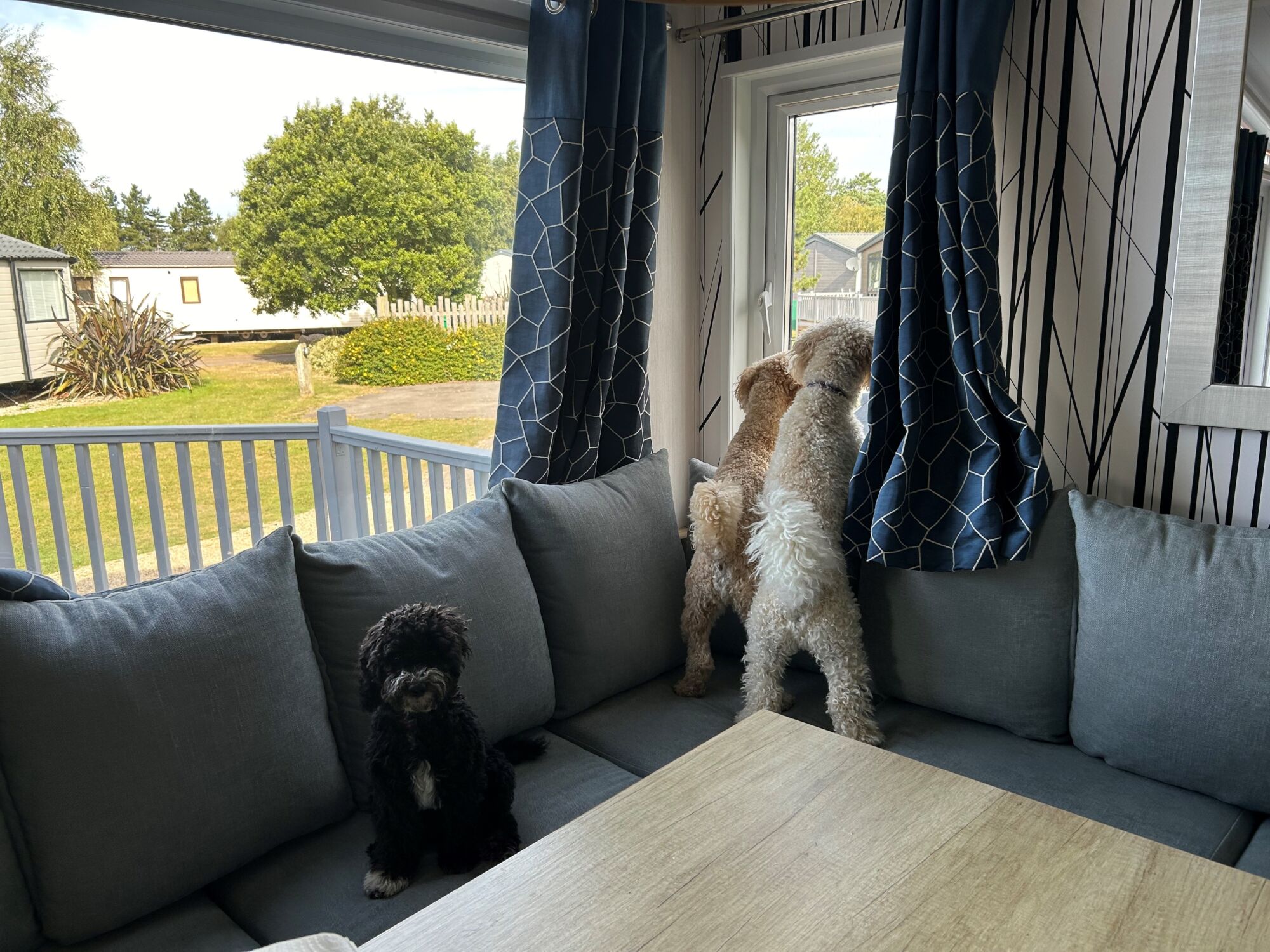
If you’re a dog owner, you’re probably used to planning breaks with your furry friend. They’re part of the family, right? And if you’re considering introducing a hound into your pack, you’re probably wondering how tricky it will be to go on holiday with them.

Well, we’re lucky there are lots of options for dog-friendly holidays here in the UK. There are whole companies dedicated to providing dog-friendly accommodation, and there are plenty of great areas to stay where your dog can have as much fun as you do.

But, have you ever thought about taking your pooch on a static caravan holiday? Modern holiday homes are set up brilliantly for dog accommodation, and there are loads of dog-friendly holiday parks where you can rent a static caravan, all over England, Scotland and Wales.

And, of course, if you really love it, and you find your perfect dog-friendly holiday park, you can always invest in your own holiday home.

Why choose a static caravan holiday with my dog? 

Static caravans are a convenient, comfortable way to holiday with your hound.

Modern holiday homes tend to be spacious and open-plan, with plenty of space for you and your furbaby to spread out and relax. Some models are specifically designed with muddy paws (and boots) in mind, with big, open entrance halls and plenty of space for cosy dog beds and baskets.

And, equally as important, there are plenty of dog-friendly caravan parks to choose from, all over the country. You’ll often get super-handy dog-friendly amenities like dog wash stations, off-lead play areas and drink stations right there on site. Plus, lots of caravan parks are located close to great walking trails in the woods, or near big, sandy beaches.

Taking your dog with you on holiday means you’ll save money on putting them in a kennel or finding someone to dogsit. Going on a dog-friendly holiday in the UK can be a great, cheap way to get away with your dog. And let’s be honest – your dog deserves a holiday, too. 

How do I find a great dog-friendly holiday park?

While there are plenty of dog-friendly holiday parks to choose from, not every park welcomes pets. And, the ones that are dog-friendly all have their own unique style, too. So, it’s worth taking the time to figure out which will be best for you and your dog.

If you want a ‘big park’ experience, with lots of on-site amenities like entertainment, restaurants and bars, then lots of the big resort parks welcome dogs, and are well set up for them. You can easily find out which specific sites are dog-friendly, and see exactly what they provide on their websites.

If you prefer a more low-key break, there are plenty of smaller, independent parks that are dog-friendly. Because these parks tend to have their own websites, it can be a little trickier to figure out which one will be best for you.

Probably your best bet is to decide on the area you want to visit, then check out some of the local holiday parks online.

Often, you’ll find the best parks for dogs will shout about it on their websites and social media, and list their dog-friendly amenities. This isn’t always the case though, so it’s worth doing your research.

What do I need to know about taking my dog on a caravan holiday?

If you’ve ever taken your dog away, you’ll know that it can be a stressful experience – for you and for them. But, there are things you can do to help things go more smoothly. We can’t promise a stress-free time. Every dog is different, after all. But these tips should help. 

Before you go on holiday

The more preparation you can do at home, the less you’ll have to worry about when you’re travelling, or after you’ve arrived. 

Planning

Before you set off, double-check the pet policies of the holiday park you’re going to. They might be dog-friendly but that doesn’t mean they won’t have rules, and if you know what they are in advance it won’t come as a shock when you get there.

Check all of your dog’s vaccinations and microchip details are up to date, too. This might be a requirement. But, even if it’s not, it’s just good practice.

And remember to plan some fun activities you and your dog can enjoy together. Check out local attractions and places you might want to visit, and research their dog policies too. That way you’re not arriving then wondering what to do next. 

Packing

It sounds obvious, but making sure you have everything you need can save a lot of stress when you arrive. It’s worth packing well in advance so you’re not rushing, and having a checklist of essentials that you absolutely positively cannot forget.

Top of that list should be your dog’s favourite toys and blankets. They’ll probably find a new environment scary and overwhelming, but having familiar things in paw’s reach can help take the edge off. It’s worth taking at least one or two favourite toys or blankets in the car, too. Your dog might be used to short journeys, but staying in the car longer could be stressful.

If your dog sleeps in a crate or bed, take that with you too, if you can. Snuggling up in a comfy, familiar place means they’re much more likely to get a good night’s sleep – and so are you.

Take plenty of their favourite food and treats, too. There might be shops on your holiday park or nearby, but there’s no guarantee they’ll stock the right food. Even if your dog’s not usually a fussy eater, the added stress of being away could make them one. Pop their bowls in, too – anything familiar will help. 

On the journey

Nobody likes being stuck in the car for ages. And that goes double for dogs, especially when they’re cramped up with all your holiday stuff in the back. So, make sure you plan lots of stops. More than you would if it was just you travelling. Give your dog the opportunity to get out and stretch their legs (and do their business) every hour or so, if you can. Plan out stops in advance if you can too. Some service stations are great for dogs, others not so much.

Keep treats and drinks close to hand in the car. You’ll need them whenever you stop, but if you’re unlucky enough to get stuck in a traffic jam it can be useful to have them in arm’s reach, to help keep your dog happy while you’re not moving. Drinks are doubly important if it’s hot, too. Cars can be like greenhouses in the sun. 

Settling in

When you arrive at your holiday park, the first thing you need to do is get checked in. As soon as you’ve done that, take some time to get your dog – and yourself – settled into your holiday home.

You could start by having a walk around the caravan together, and letting your dog have a good sniff of everything. If you’re in a pet-friendly caravan there might be lingering scents from previous visitors that your dog will need to check out. Having a good explore will help them be confident there’s not another hound lurking somewhere.

When you’ve done that, scatter some of your dog’s favourite things – like toys and blankets – around the caravan where you want them to go. Having familiar scented things will help to settle your dog, and they’ll gravitate to the areas with their favourite things.

Once you’re both settled in your holiday home, have a walk around the site. Let your dog explore a little, and take the time to check out any dog-specific areas and say hello to any other pooches you meet.

And, make sure you spend plenty of time with your dog in the caravan you’re staying in, especially over the first day or so. It’ll help them to get used to it, and to associate the space with you and safety. Then, when you have a day out and return, it’ll feel like coming home. 

On the park

Different parks have different rules about dogs, so it’s important to check out what they are before booking. But, there are a few things to bear in mind whatever the park rules are.

It sounds obvious, but it’s important to be considerate of other people – and dogs – while you’re there. Just because it’s a dog-friendly holiday park doesn’t mean everyone there will love dogs as much as you do.

So, keep your dog on the lead all the time, unless you’re in a specific exercise area. And even then, your dog should always be under control. It’s a good idea to steer clear of places like play areas or bars when they’re likely to be busy. Apart from anything else, being surrounded by lots of people could be stressful for your dog.

If you can, stick to your dog’s usual routine. Obviously, you’re on holiday, so things are going to be a bit different to usual, but it’s worth trying to keep to normal meal and sleep times. Though it is worth bearing in mind that if you’re enjoying lots of long walks and doggy playtime they might be more tired than usual. 

Conclusion

If you want to have a lovely time away with your dog, a holiday in a static caravan is a great way to do it. You get a space just for you and your pet, and lots of space and activities for both of you to enjoy.

It’s also a great way to meet like-minded people (and dogs). You might even make some new friends for life. Of course, if you want to keep to yourself and have a quiet break, you can do that too. Part of the beauty of a caravan holiday is that it can be exactly what you want it to be.

You can explore the whole of the UK, too. There are dog-friendly holiday parks all over England, Scotland and Wales, often in the most beautiful places.

And, of course, if you really love it there’s always the option to buy your very own static caravan, so you can get away as much as you like. The UK Caravan Centre has a fantastic range of homes and lodges for you to choose from.

Similar Articles

The Ultimate Guide to Spending Your Summer Holiday in Britain

The Ultimate Guide to Spending Your Summer Holiday in Britain

Another great British summer is upon us. With the school holidays...

Read More
Gas and Electricity Safety in Static Caravans

Gas and Electricity Safety in Static Caravans

Static Caravan Safety – Gas, Electricity & Fires The provision...

Read More
Additional Costs to Consider When Purchasing a Static Caravan

Additional Costs to Consider When Purchasing a Static Caravan

When you make the decision to buy a static caravan,...

Read More
Access Considerations When Buying a Static Caravan

Access Considerations When Buying a Static Caravan

The Access Considerations When Buying a Static Caravan No matter...

Read More
News

Static Caravans for Equestrian Facilities – What are the benefits?

Static Caravans for Equestrian Facilities – What are the benefits?

The Benefits of Static Caravans for Equestrian Facilities

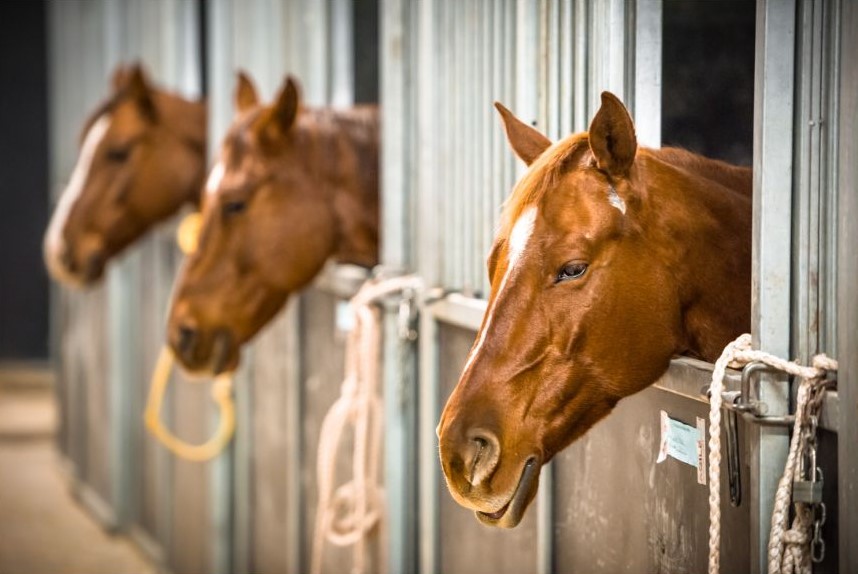
Equestrian facilities require round-the-clock care and attention to ensure the well-being of horses, the safety of the property, and efficient management of daily tasks. By investing in static caravans, facility owners can streamline operations, enhance security, and improve accommodation for staff and visitors.

1. On-Site Convenience for Equestrian Operations

Easy Access and Emergency Preparedness
A static caravan at your equestrian facility ensures immediate access to the horses and grounds. This is particularly beneficial for time-sensitive tasks such as feeding, cleaning, or providing veterinary care. Being on-site allows for quick responses during critical moments, like foaling season or emergency situations involving horses.

Moreover, the close proximity to the property means you’re always prepared for sudden weather changes, accidents, or other emergencies that may require immediate action. This convenience offers peace of mind for owners and staff, ensuring smooth daily operations.

2. Enhanced Security for Your Equestrian Property

Constant Presence for Increased Security
One of the primary benefits of having a static caravan on an equestrian facility is improved security. With someone always on-site, you can deter potential intruders and reduce the risk of theft, vandalism, or other security issues. This is especially important for rural facilities where properties may be more vulnerable.

A static caravan ensures that horses, equipment, and valuables like tack or machinery are constantly monitored, contributing to the overall safety of the facility. With enhanced security, your equestrian operations run smoothly and without disruption, preventing costly losses.

3. Cost-Effective Accommodation Solution

Affordable Housing Alternative for Staff and Guests
Static caravans provide a budget-friendly alternative to building traditional accommodations at equestrian facilities. With lower upfront costs and minimal ongoing maintenance, static caravans are an economical solution for facility owners looking to maximise their investment.

These caravans are also energy-efficient, helping to reduce utility expenses in the long run. This makes them a cost-effective choice for equestrian facilities that need practical on-site housing without incurring significant costs.

4. Comfortable Living for Staff and Visitors

Modern Amenities for a Homely Feel
Static caravans offer comfortable and well-equipped living spaces for staff, temporary workers, or visiting professionals like trainers and veterinarians. These caravans come with modern kitchens, cozy bedrooms, and other amenities to ensure that everyone feels at home during their stay.

Offering comfortable accommodations boosts morale and enhances the overall experience for those working or staying at your facility. This is especially beneficial for temporary staff who need a pleasant environment to stay in while carrying out their work.

5. Versatility and Flexibility for Your Facility

Adaptable Uses and Easy Relocation
Static caravans offer exceptional flexibility and versatility. Unlike permanent buildings, static caravans can be relocated or repurposed as the needs of the facility evolve. Whether you need additional staff accommodation, a guest house, or office space, static caravans can easily be adapted to meet those needs.

Their relocation capabilities make them an ideal solution for facilities that experience changing operational needs or layouts over time, ensuring they provide lasting value and usefulness.

6. Adding Value to Your Equestrian Facility

Enhance Operations and Attract Clients and Staff
Investing in static caravans at your equestrian facility can significantly improve operational efficiency. With staff living on-site, logistics are simplified, and travel times are minimised. This allows staff to focus on their responsibilities without the added stress of commuting or managing off-site housing.

Moreover, modern, comfortable accommodation can make your equestrian facility more attractive to potential clients and staff. Offering high-quality on-site housing can help differentiate your facility in the competitive equestrian industry, increasing its appeal and overall reputation.

Why Choose UK Caravan Centre for Your Static Caravan Needs?

At UK Caravan Centre, we specialise in providing high-quality static caravans that are perfect for equestrian facilities. Our caravans offer the ideal blend of comfort, security, and flexibility, helping you improve your operations and enhance the experience for your staff and visitors.

Explore our range of static caravans today and discover how we can help transform your equestrian facility!


Similar Articles

Static Caravan Cladding Explained

Static Caravan Cladding Explained

Cladding is the material that covers the outside of a holiday...

Read More
Buying Land – All you need to know

Buying Land – All you need to know

Key information Greenfield and brownfield land present different challenges Not...

Read More
Let’s Talk Cladding

Let’s Talk Cladding

The majority of static caravans are fitted with aluminium cladding...

Read More
Dog Friendly Holidays

Dog Friendly Holidays

If you’re a dog owner, you’re probably used to planning...

Read More
News

What causes condensation in static caravans, and how to control it

What causes condensation in static caravans, and how to control it

Imagine waking up on a chilly morning in your static caravan. What’s the first thing you see when you open the bedroom curtains?

Suppose it’s a clear view of the outside world, congratulations. But if the window is so steamed up you could sign your name on it, beware!

Condensation can mean big trouble in static caravans. So, in this article, we’ll explore the potential problems and discuss control methods. But first, let’s understand what we’re dealing with.

What causes condensation?

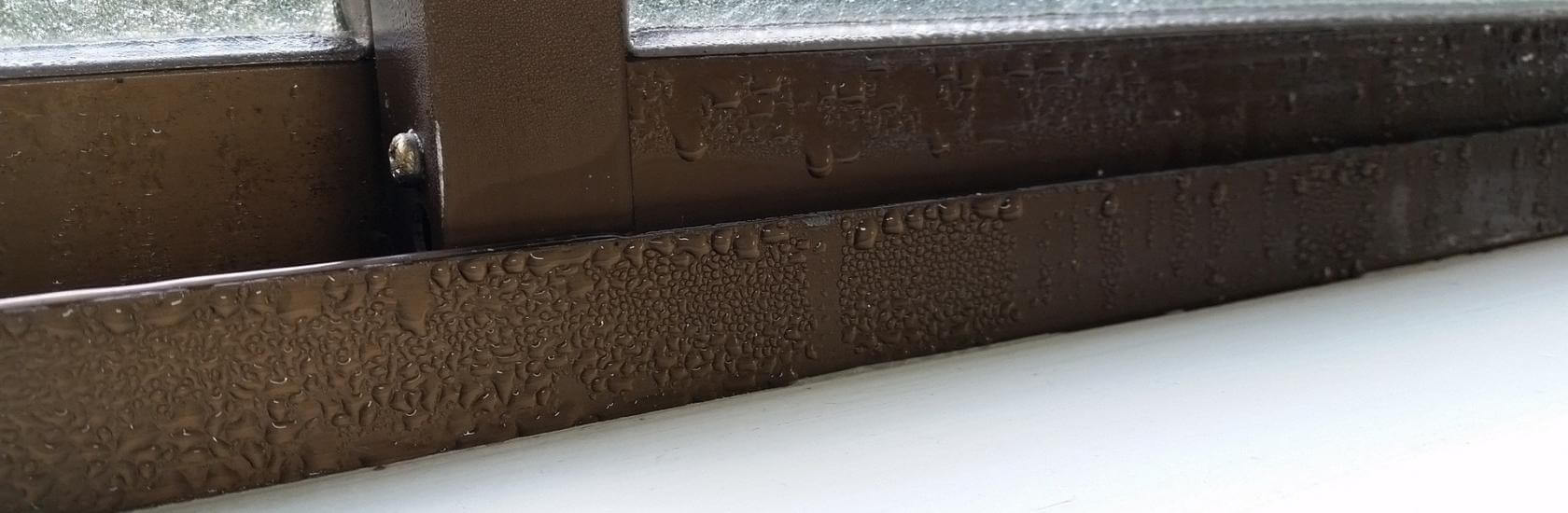
Condensation happens when warm, moist air meets a cold surface. That’s why it tends to be worse in winter, when there’s a bigger difference between the snugly heated interior of your holiday home and the chilliness outside.

There’s always moisture in the air, and as that moisture cools, it transforms from vapour (invisible gas) to liquid droplets. Your fogged-up window is the result.

Every living creature produces water vapour. But how much? Well, estimates show that a family of four in a three-bedroom house produces 112 pints of water per week. So, the answer is a lot.

Some of that moisture is produced by everyday activities, such as cooking, washing up, showering, and putting the kettle on. But a lot of humidity typically results from breathing.

Even when all that H2O is spread around a big house, condensation can be noticeable. Pack it into the confined space of a static caravan, and it’s unavoidable.

Where to look for condensation

Glass surfaces are where condensation is most visible, but it will affect more than your windows and mirrors. Moisture can settle anywhere that’s colder than the air temperature, so outside walls and the roof of your caravan are spots you need to check regularly. Kitchens and bathrooms are also prone to condensation for obvious reasons.

What happens if condensation is left untreated?

Mould, in a word. Mildew if you need two. Condensation is most likely to be left untreated in places where it’s less visible or harder to reach. Ceilings, corners, window surrounds, and the insides of cupboards can become permanently damp. The result is creeping black mould.

This is not only ugly; it’s also unhealthy, producing airborne spores that can cause skin problems, sinus complaints, and even bronchitis. Mould inside your static caravan is particularly serious for people with asthma and other breathing problems.

If condensation is allowed to build up over days and weeks, it can also cause damp patches or even small pools of water. These will eventually cause stains and rot, so preventing recurrence is essential.

How to stop condensation in a static caravan

As we’ve seen, the conditions that cause condensation are as inevitable as breathing. But while it can’t be avoided, it can be prevented from doing harm. Here are our top tips for controlling static caravan condensation.

Ventilation, ventilation, ventilation – Encouraging airflow is the single most effective thing you can do control condensation. Open some windows and/or roof vents as soon as you arrive after a period away, and whenever possible while in residence. This practice allows the moisture to escape rather than build up on interior surfaces. It will also enable damp places to dry out more quickly.  Fitting restrictors to windows is a simple way of keeping your caravan secure and well-ventilated.

Use fans and vents – Most modern static caravans feature cooker hoods and bathroom extractor fans. Always switch them on when cooking or showering, and leave them on for a while afterwards. The extra moisture takes longer to remove than most people expect.

Wipe down (and up) – Recognise that your static caravan is a small space and naturally prone to condensation. Get into the regular habit of using kitchen roll, a clean cloth, or a squeegee to remove moisture wherever it has settled — before it has the chance to become a permanent mould problem.

More condensation control ideas

Avoid drying clothes inside, as this will increase the moisture content of the air.

If you have a tumble dryer, make sure it vents to the outside.

Put lids on pans when cooking (this saves fuel as well as reducing steam).

Control your heating so it warms up gently, rather than all at once.

Invest in a dehumidifier (or several).

Place pots of salt around to soak up moisture from the air (cat litter can also work).

Improve the insulation of your caravan, and fit modern double-glazing if it’s an older model.

Will having a residential specification (BS3632) help combat condensation?

In word, yes. The BS3632 standard ensures all homes are suitable for year-round use. That means you can expect superior insulation, which helps to regulate the inside temperature and improve ventilation.

If, on the other hand, you buy a holiday home that is built to European standards (EN1647), you could find that it produces slightly more condensation, due to the fact it’s only suitable for temporary or seasonal holiday use.

Want to know more about static caravans?

Modern static caravans are cosy, comfortable places with efficient central heating, superb insulation, and high-performance double glazing. As such, if you follow the above tips and tricks, you’ll keep your home free from damp or mould.  Here at The UK Caravan Centre we have a great range of homes to suit your requirements, call our team on 08002461206 and let us help you find the right home.

View All Homes

Similar Articles

Guide To Buying A Holiday Home

Guide To Buying A Holiday Home

Owning a holiday home is so much more than four...

Read More
Access Considerations When Buying a Static Caravan

Access Considerations When Buying a Static Caravan

The Access Considerations When Buying a Static Caravan No matter...

Read More
What Is A Turnkey Service? And How Can We Help?

What Is A Turnkey Service? And How Can We Help?

If you have taken the first step by deciding to...

Read More
Things To Consider When Buying A Home For Your Own Land

Things To Consider When Buying A Home For Your Own Land

There’s a handful of reasons why you may want to...

Read More
News

L2 Boiler Fault Code

L2 Boiler Fault Code

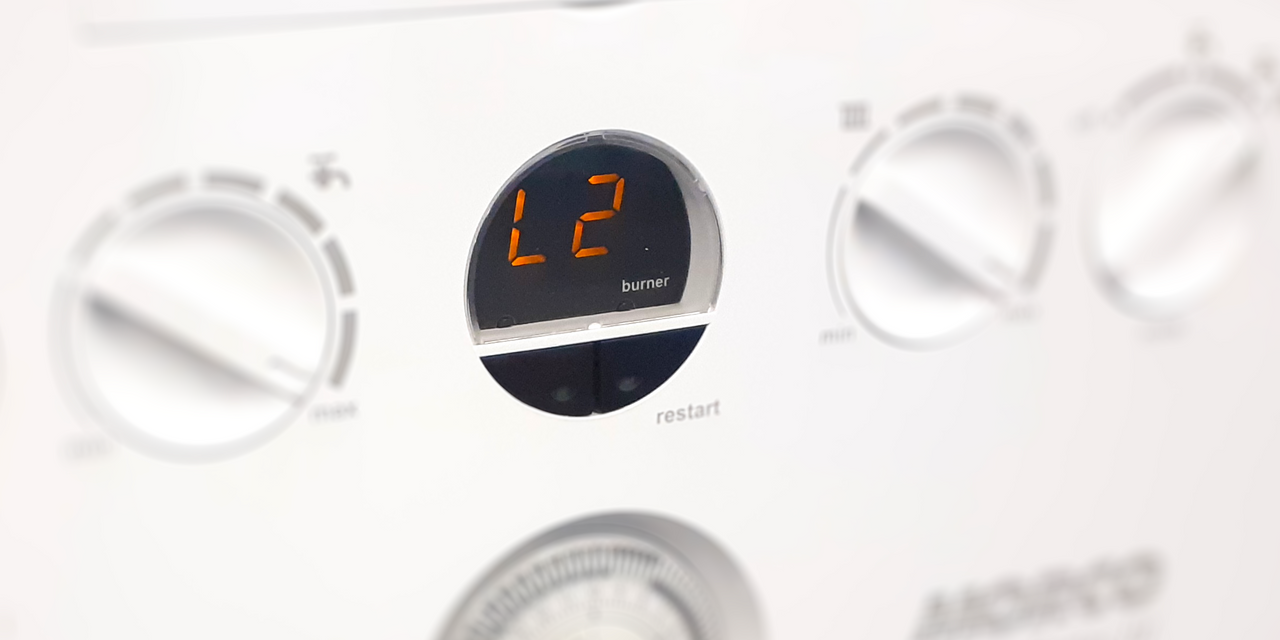
Here at The UK Caravan Centre, we get a lot of calls to our aftersales team asking about L2 codes on their boiler.  This blog runs through the most common reasons a code can appear and what you can try ourselves to resolve it.  However, if you are unsure please call our aftersales who can refer the issue back to your manufacture.

1. Replacing gas cylinders

It is not uncommon for a boiler to stop working after replacing a gas cylinder due to a lack of gas if the reserve cylinder on an automatic change over system has shut off or a single cylinder installation has emptied. Ignite all four burner rings on the cooker in the kitchen, open a hot water tap and leave the rings on for a few minutes. With the hob rings and the hot water tap running, reset the boiler (please refer to the reset procedure on the final page of this article). This may take several attempts before the boiler re-sets. Please do not re-set the boiler more than 5 times in a 15 minute period as this will lock your boiler out and you will need to restart the process from the beginning.

The boiler should then restart and ignite. Through the process of igniting the burner rings, this should remove the air within the gas pipe and the boiler can return to working normally.

2. Gas stenching agent

LPG which is supplied to a home produces a recognisable smell if it leaks. LPG in its natural form does not smell. However to ensure a gas leak can be detected a ‘stenching agent’ is added. The stenching agent can oxidise (rust) inside. When the bottle is nearly empty the oxidised substance is pushed out and can block the pathway to the boiler causing it to lock out. This occurs more frequently when a system uses a single bottle at a time. To solve this problem, the gas pipes and regulator will need to be cleared before adding a new bottle and the boiler will need resetting.

The long term solution is to use an automatic ‘changeover valve’. This is a mechanism which allows two gas bottles to be joined together. When the first one is running low, the valve automatically changes and connects to the second bottle. The advantage to this is the changeover occurring before the first bottle is ‘nearly empty’ which is when the oxidised substance (if any) is pushed into the gas pipes and regulator. This then gives you an uninterrupted gas supply.

3. Blocked condensate trap

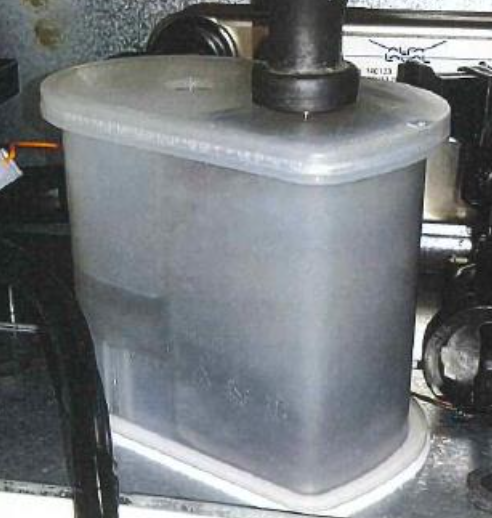
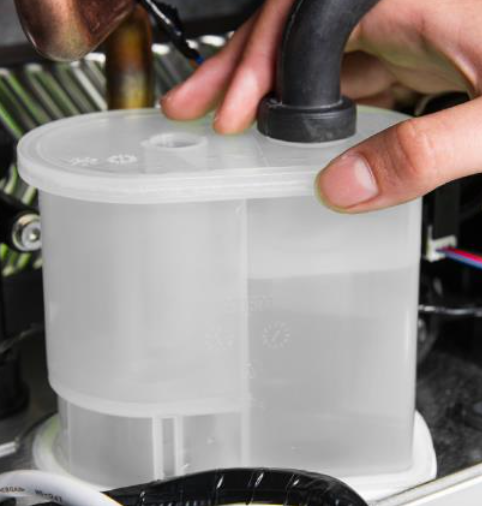
Both the GB24 and GB30 are condensing boilers. In common with all condensing boilers, whilst the boiler is in use a condensate liquid is produced that leaves the boiler via a syphonic condensate trap (as can be seen in the right hand picture below) and flows into the waste water drain under the holiday home. In certain circumstances the pathway leading to the condensate trap can become blocked as well as the condensate trap itself. An indication of this occurring is when a gurgling noise is produced from the boiler and the condensate trap becomes discoloured and black.

This extinguishes the burner in the boiler and displays a fault code of L2. If your condensate trap looks like the picture below to the left, not like the clean one to the right and / or is making a gurgling noise then there is a strong possibility that this is your problem.

dirty blocked condenser trap clean condenser trap
Dirty / blocked condensate trap Clean condensate trap

Causes of blockage and the process of combustion

Blockages occur because debris that the boiler breaths in via the flue and the condensate fluid by-product becomes stuck within the pathway leading to the condensate trap. This in turn also blocks the waste pipe and trap. Therefore, the boiler cannot remove the condensate liquid and fails to operate which shows fault code L2. The image to the right shows an example of liquid building up from the trap back into the boiler. This may occur more frequently to boilers that are exposed to slightly harsher environments such as salt, sand, dust and leaves from trees.

Blocked condensate – What to do next?

This problem is not covered under our warranty as we are unable to control the cleanliness of air entering the boiler and the volume of condensate by-product being produced. Our manual advises that the boiler should be serviced at least annually. The frequency of servicing will depend upon the installation condition and usage. During a service the engineer, amongst other things, will remove the burner and clean the whole heat exchanger and condensate path with hot water. This returns the system to a clean state. This is the best guard against a blocked condensate system. It is important to use a Gas Safe Engineer to carry out the service.

Reset/Re-start procedure

To reset boiler, turn the mode control knob (far left-hand side on the boiler) to the reset position and immediately turn knob back to required setting. The boiler will repeat the ignition sequence if a heat demand is present. For SIII & IV boilers, press the restart button on the front of the boiler. If the boiler still fails to light consult a Gas Safe Registered Engineer.

Similar Articles

4 Things to Avoid When Buying a Static Caravan

4 Things to Avoid When Buying a Static Caravan

Holidays give you that essential time to step away from...

Read More
What is ‘Off-grid’ living in the UK?

What is ‘Off-grid’ living in the UK?

What is ‘Off-grid’ living in the UK? In the UK,...

Read More
Ensuring Safety and Quality in Caravans – EN1647 & BS3632

Ensuring Safety and Quality in Caravans – EN1647 & BS3632

European & British Standards – EN1647 & BS3632 - Ensuring...

Read More
Decking and Skirting Advice

Decking and Skirting Advice

Decking and Skirting Advice Decking & Skirting This article aims...

Read More
News

Things To Consider When Buying A Home For Your Own Land

Things To Consider When Buying A Home For Your Own Land

There’s a handful of reasons why you may want to purchase one of our homes and site it on your own land:

You may want to put a home in a loved one’s garden to be close to them or you may want to put a home in your own garden to allow guests to have the most comfortable, luxurious stay as possible when visiting you.

Allow for a live-in carer to reside on the property but maintain your independence and privacy.

Putting a home on your own land also gives you the freedom to choose the style and finish of the exterior.


What do you need to consider when preparing your site for your own land?

Access

Where can I put my home? – an annexe must be within the curtilage (garden) of a main property.  It is classed as an ancillary dwelling, in simple terms it means it is connected to the main dwelling, sharing its services, address and access

Therefore, the most important factor when thinking of putting a home on your own land is site access. A lorry with your home needs to be able to get as close to the location as possible and then an all-wheel-drive vehicle moves it into its final position. Other vehicles will need to get to the site, such as the concrete lorry to pour the base, excavators, for service trenches etc.

Concrete base

Your home needs to sit on a concrete base and we would always recommend that the base is poured and fully cured before the home arrives. Concrete takes a while to fully harden, we’d always recommend that your base has at least 3-4 weeks minimum curing time before the home is sited. We can provide indicative typical base details – subject to ground conditions.  Our team will be able to guide you through the process in further detail.

Utilities and services need to be ready

By the time your home is ready to come to the site, it’s important that all services are installed and awaiting connection to your home. This can take some time to prepare, especially if you are having new services installed by the relevant utility companies, therefore you need to be sure you have considered the timings of each stage.  Utilites that you need to consider are water, electricity, waste water, internet and gas.  However,  most of our homes are built to run on LPG bottles.

What other costs do you need to think about?

Financially, there are a few other things you’ll have to consider such as all of the connections will have to be completed by registered professionals including the electric, water, gas and waste. As established above, your home needs to sit on a concrete base and we would always recommend getting professional third-party advice for the build-up of your home’s base, depending on the ground conditions and the weight of your home. You’ll also be responsible for the cost of the exterior finishing of the property such as the skirting around the bottom of the home, landscaping, steps/decking, etc.

What do I pay and when?

We require a 20% deposit for either your home that is in stock or to secure you build slot.  The balance is due 2 weeks before delivery of your home.

Do you offer finance?

No, we don’t. We can however introduce you to a financial partner, but the advice provided would be their own.

Can I mortgage my annexe?

No, as it’s ancillary to the main hone, and not a stand alone dwelling.

Insurance

Most people contact their current home insurer and add the annexe to their existing policy.  However, it can be insured separately, and we have a preferred insurance partner that we can introduce you to who can assist you with this if for any reason your existing provider cannot.

Do you need planning permission?

Although our homes are able to be moved, there are still planning laws to consider. Each local authority will have its requirements as well as the need to follow the government’s national planning policy framework. If you need help or advice with discussing planning you can usually apply for pre-application advice from the local authority.

If you’re interested in purchasing a gorgeous home for your own land, whatever the reason, we are here to fulfil all your desires! Have a chat with our friendly sales team to learn more.

View All Homes

Similar Articles

L2 Boiler Fault Code

L2 Boiler Fault Code

Here at The UK Caravan Centre, we get a lot...

Read More
Additional Costs to Consider When Purchasing a Static Caravan

Additional Costs to Consider When Purchasing a Static Caravan

When you make the decision to buy a static caravan,...

Read More
What Is A Turnkey Service? And How Can We Help?

What Is A Turnkey Service? And How Can We Help?

If you have taken the first step by deciding to...

Read More
Biggest Holiday Trends 2023

Biggest Holiday Trends 2023

Brits are looking to save money on their holidays next...

Read More
News

Static Caravan Cladding Explained

Static Caravan Cladding Explained

Cladding is the material that covers the outside of a holiday home or lodge. If you’re considering buying a new static caravan you’ll have seen the different types of cladding that you can choose from.

But what are the different types of cladding, and how do you pick the right one for you?

Let’s have a look at exactly what cladding does, what different materials you can choose from and which ones might suit you best.

What does static caravan external cladding do?

Cladding is like the skin of your caravan. It has a few important functions.

Firstly, it changes how your home looks. Different styles and colours can really make your caravan pop or blend in, depending on what you want.

It also protects your static caravan from the elements and helps to insulate it.

And cladding makes it easy to keep the outside of your caravan clean, and in good condition.

What are the different types of cladding?

It can seem like there’s a baffling assortment of different types of cladding on the market but, actually, most of them fit into three main categories. Brands use different names, but the basic materials are the same.

They all have pros and cons, from colour choice and scratch resistance to ease of maintenance and energy efficiency.

If you’re buying new, holiday home manufacturers offer different types of cladding on different models. So, if there’s a particular style you’re set on having it’s worth understanding what’s what.

Aluminium static caravan cladding

Aluminium cladding is standard on the majority of models, including the Malton, the Breakaway and the Saffron. It’s sometimes seen as a poor relation to more expensive options like engineered wood cladding, but aluminium cladding has a lot going for it besides just price.

It’s lightweight. It’s recyclable. It has a very long lifespan. There’s a great selection of colours to choose from, so you can style your caravan the way you want. And if you want to change the look of your caravan down the line, you can paint aluminium cladding.

There are a few downsides though. If you want to keep your aluminium cladding looking fresh, you’ll need to clean it regularly. It’s not difficult to do – mild detergent, a soft brush and a hosepipe will work just fine – and we’re only talking once a year, but it’s worth bearing in mind.

Aluminium is also more susceptible to damage than some other cladding options. That’s not to say it’s weak – it’s not at all – but it’s possible to scratch or dent it. Scratches are easy to fix with touch-up paint, but dents can be trickier to sort.

Rigid vinyl static caravan cladding

Rigid vinyl cladding comes as standard on the Dorchester and Saffron Deluxe, and can be added to models like the Silverdale as an upgrade.

It’s made from a polyvinyl chloride (PVC) resin, and it’s sometimes called PVC or thermoplastic cladding.

Rigid vinyl cladding for static caravans is more expensive than aluminium cladding, but it’s not a super costly upgrade and it does have a few important advantages.

Firstly, it’s super low maintenance. Most of the time, normal rainfall will be enough to keep it clean. And if you do need to give it a wash, all you’ll need is a soft brush and a hosepipe. It’s harder to damage than aluminium cladding, and you can still expect a long lifespan. It also comes in a textured finish, which gives your caravan a classy look.

But the main downside is that plastic cladding for static caravans only comes in a limited range of colours, and it’s not really possible to paint. So, if you want to change the style of your holiday home down the line, your options are limited.

CanExel® or engineered wood static caravan cladding

CanExel® is a brand name for engineered wood cladding. There are others, but CanExel® cladding on static caravans is by far the most popular.

You can have it as an upgrade on some holiday home models, like the Vogue Classique.  But comes standard on luxury lodges like the Sandringham

Engineered wood, or wood composite, is a mix of real wood and plastic, which gives you many of the advantages of both. It’s extremely tough and long-lasting, and much lower maintenance than real wood. It looks fantastic with a woodgrain effect and is highly resistant to fading, cracking and peeling. It’s energy-efficient, environmentally friendly and comes in a wide range of colours.

So what’s the downside? Well, the big one is that CanExel® cladding on static caravans is expensive. It will need more regular cleaning than rigid vinyl cladding, too.

How do I pick the right static caravan cladding for me?

Picking the right cladding for your holiday home isn’t as simple as figuring out what you like best and going for that one. There are a few important things to bear in mind when you’re choosing.

Firstly, if you’re buying a new, not every model is available with every type of cladding. So, when you’re browsing holiday homes or lodges, remember to check what cladding options you can have.

Some holiday parks have restrictions on what type of cladding you can have, or what colour your static caravan can be. So, you’ll need to check with your park what’s allowed and what’s not before you make a decision.

It’s also worth thinking about what kind of life your caravan is going to have. If you have kids that like to bounce around and drop their bikes and scooters against things, a tougher cladding option might be a good investment. If you know you’re in an area with lots of rain or sunshine, take that into account too.

And think about how much maintenance you’re going to want to do, too. If you have plenty of time then giving your cladding a quick clean once a year might be no issue. If you’re busy and want to make the most of every second of spare time, lower maintenance might be better.

How much does static caravan cladding cost?

Well, there’s the question. And the simple answer is – it depends. Static caravan cladding prices can vary wildly depending on what you’re buying and what cladding you want.

There’s no bad cladding

There are no real bad cladding options for static caravans today – and certainly not any of the ones available on our homes. There are just different options, at different price points, for different people.

And having more choice has to be a good thing, right?

So while it’s worth considering the more practical elements of your cladding – like how much maintenance it needs, or how it will deal with being run into full-pelt by an overexcited child – the most important thing is whether you like the look of it.

Of course, you’ll need to check whether it’s available on the model you want, and if it meets your holiday park’s requirements too.

Similar Articles

How to site a Static Caravan or Lodge

How to site a Static Caravan or Lodge

Siting a caravan can be a daunting thing. Of course...

Read More
10 Advantages of home care

10 Advantages of home care

Reaching the decision that you, or a loved one, need...

Read More
10 Advantages of Living in a Mobile Home

10 Advantages of Living in a Mobile Home

1. Affordability. Buyers who are looking for a practical housing...

Read More
What is ‘Off-grid’ living in the UK?

What is ‘Off-grid’ living in the UK?

What is ‘Off-grid’ living in the UK? In the UK,...

Read More