What Does “Ancillary Use” Mean for a Static Caravan?
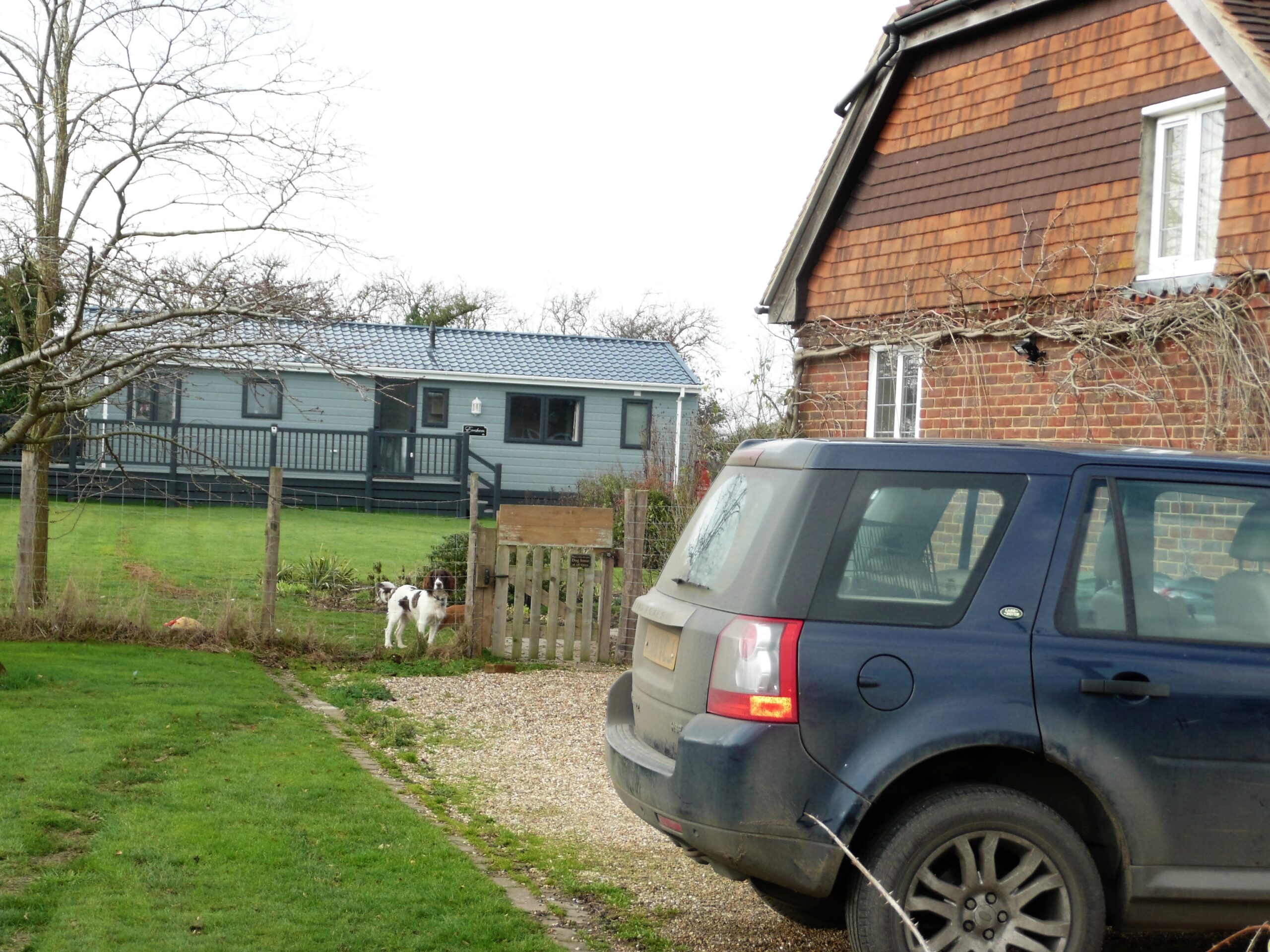
f you’re considering placing a static caravan in your garden, you may have come across the term “ancillary use”. It’s a phrase commonly used by planning authorities, but it isn’t always explained very clearly. So what does it actually mean — and why does it matter?
Let’s break it down in plain English.
What Is Ancillary Use?
In planning terms, ancillary use means that the caravan is used in connection with the main house, rather than as a separate, independent dwelling.
In other words, the static caravan must be secondary and subordinate to your main home. It supports the primary household instead of functioning as its own standalone residence.
Examples of Acceptable Ancillary Use
A static caravan used for ancillary purposes might be used as:
- Accommodation for a family member, such as an elderly relative or adult child
- A home office, studio, or workspace
- Guest accommodation for visiting friends or family
- A hobby room, gym, or additional living space
The key factor is that the people using the caravan are part of the same household and the caravan doesn’t operate independently.
What Ancillary Use Is Not
Ancillary use does not include:
- Renting the caravan out separately
- Using it as a holiday let or Airbnb
- Selling or leasing it as a self-contained home
- Having it occupied permanently by someone with no connection to the main house
If a caravan is used as an independent living unit, planning authorities are likely to view it as a separate dwelling, which usually requires full planning permission — and may not be permitted at all.

What Makes a Caravan “Ancillary” in Practice?
Local councils typically look at several factors when deciding whether a caravan is genuinely ancillary, including:
- Who occupies it and their relationship to the main household
- Whether the caravan shares facilities with the main house
- Whether it has its own postal address, council tax, or utilities
- How permanent and self-contained it appears
Even if a caravan has a kitchen and bathroom, it can still be considered ancillary — as long as its use remains clearly linked to the main dwelling.
Do You Need Planning Permission?
In many cases, a static caravan used for ancillary purposes may not require planning permission, particularly if it is within the garden of an existing home and used by members of the same household.
However, planning rules can vary by local authority, and factors such as location, size, visibility, and duration of use can all affect the decision. It’s always wise to check with your local planning department before installing a caravan.
Why Ancillary Use Matters
Understanding ancillary use is crucial because it’s often the difference between a caravan being acceptable or facing enforcement action. Councils don’t object to extra space — they object to unauthorised new dwellings.
By keeping the use clearly ancillary, homeowners can enjoy the flexibility and comfort of a static caravan without unnecessary planning complications.
Final Thoughts
A static caravan in your garden can be a fantastic solution for extra space, family needs, or flexible living — as long as it’s used correctly. Ancillary use simply means the caravan supports the main home, rather than competing with it.
If you’re unsure whether your plans qualify as ancillary use, professional advice or a quick conversation with your local council can save a lot of stress down the line.
Frequently Asked Questions
Do I need planning permission for ancillary use?
Often no, as long as the caravan is used in connection with the main house. Rules vary by council, so always check locally before installing.
Can an ancillary caravan have a kitchen and bathroom?
Yes. Facilities don’t determine ancillary use — how the caravan is used does.
Can I rent out an ancillary-use caravan?
No. Renting or using it as a holiday let would normally class it as a separate dwelling and require planning permission.
Will an ancillary caravan affect selling my property later?
Not usually, as long as the caravan has been used correctly as ancillary accommodation. Buyers and solicitors may ask for confirmation of use, so keeping records or written advice can be helpful.