10 Advantages of Living in a Mobile Home
1. Affordability.
Buyers who are looking for a practical housing solution without breaking the bank appreciate the economics of mobile home ownership. Indeed, the surprising affordability is one of the main positives. As well as the freedom from high mortgage payments, monthly outgoings are appreciably lower – good news if you are a first-time buyer.
2. Improved Standards.
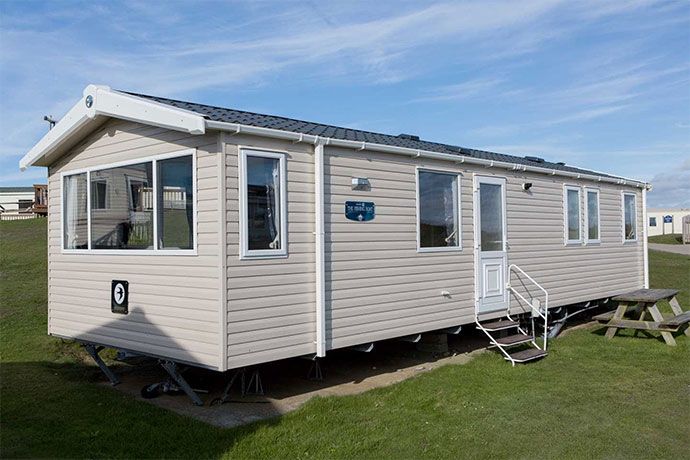
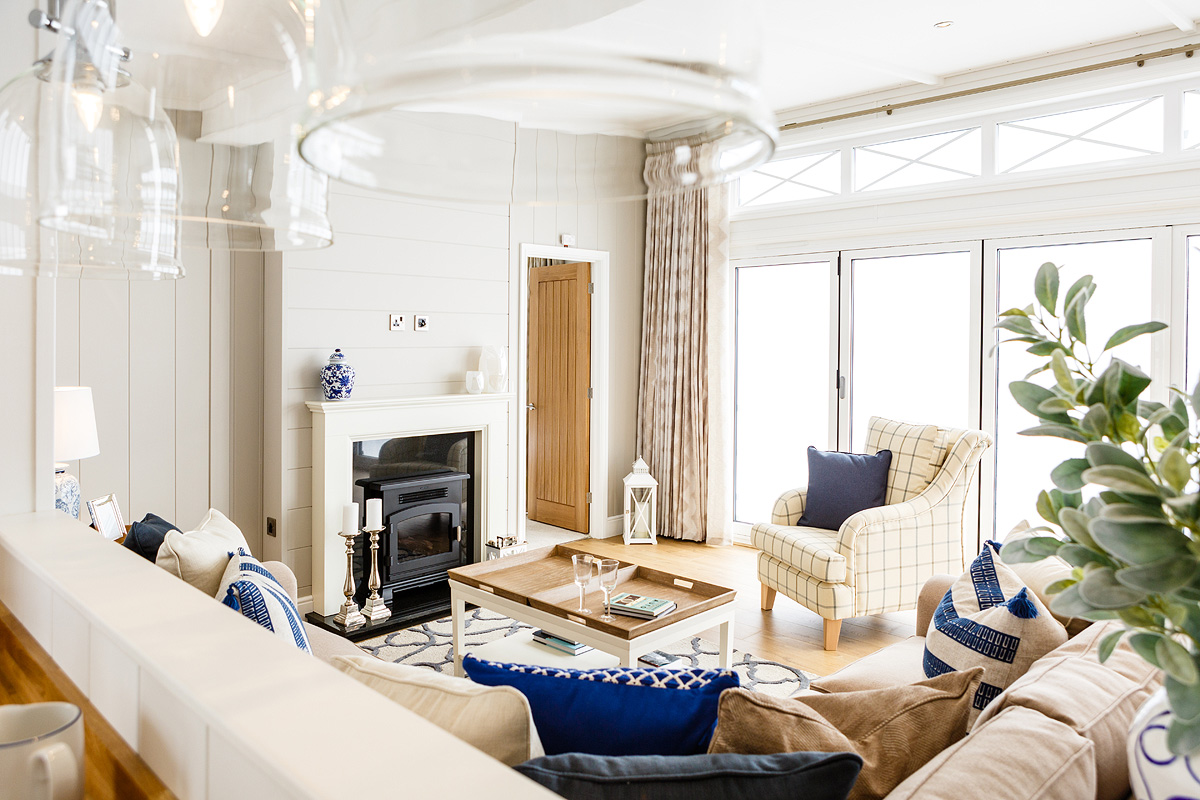
Inside, modern mobile homes boast levels of luxury to compete with conventional home construction. Finished to high standards under strict quality control conditions, the newest models feature cutting edge materials such as solar panels, optional extra insulation and PEX (cross-linked polyethylene) water piping that performs well in winter. The BS3632 residential specification ensures they are a comfortable and durable accommodation choice throughout all seasons.
Nowadays, modular home manufacturing is in controlled environments to ensure consistent quality and a smooth workflow. Fortunately, purchasers can be sure that construction and completion are not heavily dependent on weather conditions and building site subcontractors.
3. Choice of Designs and Styles.
Unquestionably, the latest mobile homes come in inspiring designs and an impressive selection of styles, whether for a permanent base (eg. annexe accommodation, staff accommodation etc.) or holiday accommodation. It is also hugely reassuring that generous manufacturers’ warranties provide peace of mind for new owners.
4. Suitable for New Homeowners.
After finishing education and starting a career, the lower costs of static caravan ownership mean that single units are a great option for individuals and couples. Straightforward maintenance tasks keep life simple, too.
5. Convenient for Families.
In contrast, growing families might decide to opt for practical double/twin units with customisable rooms. Parents and children can benefit from the nearby countryside, parkland and outdoor space or leisure facilities.
6. Flexible for Retirees.
Many owners who are reaching pensionable age appreciate the opportunity to have a change, live with increased flexibility and reduce expenses. Buying a mobile home is a canny decision, as it can also free up time for hobbies and leisure pursuits, as opposed to time-consuming house maintenance. In addition, those seeking a more leisurely pace can always pull up an armchair (or a deckchair) and enjoy relaxing views of the countryside.
7. Energy Conservation and the Environment.
Because they are pre-built before delivery to the site, without the frequent removal of raw materials, mobile homes produce only one-tenth of the waste that is typical of conventional housing construction methods. They are, therefore, an environmentally sound concept. Equally importantly, over the long term, the latest manufacturing techniques and materials promise impressive energy efficiency.
8. Health and Wellbeing.
As lifestyle gurus advise, the ability to live simply and with a ‘less-is-more’ attitude are good for one’s wellbeing. Importantly, mobile home residents enjoy the positive effects of greater contact with the natural environment, sometimes in landscaped areas and always with outside space. Life is undoubtedly enhanced being away from the pollution and risks of traffic in built-up areas, while the physical and social environment tends to encourage activity and engagement with others.
9. Sense of Community.
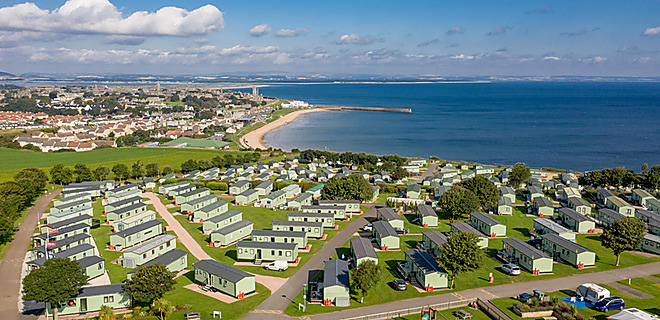
Like-minded communities, grassland and parks with club facilities and occasional group activities mean that residents can benefit from a sense of belonging, should they wish. Moreover, although mobile homes do not have immediately adjoining properties above or below them, neighbours can and do keep a helpful eye out for each other.
10. Safety and Security.
Finally, owners will often mention feeling secure and able to live with their doors unlocked more than in traditional brick-built neighbourhoods. A typical park layout with an internal network of relatively narrow roads and perimeter hedges or fences adds to the general security. Significantly, site residents usually recognise their neighbours, vehicles and even regular visitors, so outsiders tend to be quite noticeable.
Should you have any questions, we will be pleased to assist. Just give us a call on 0800 246 1206 or fill in your details below:
Similar Articles
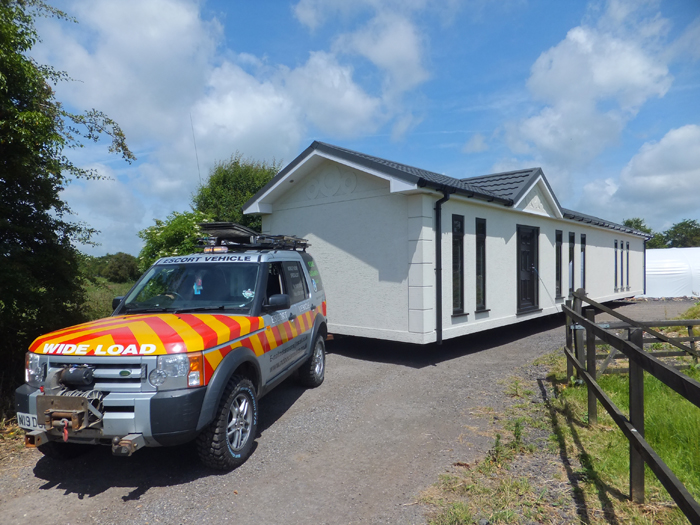
How to site a Static Caravan or Lodge
Siting a caravan can be a daunting thing. Of course...
Read More