News

Accommodation for Agricultural Workers

Accommodation for Agricultural Workers

It is not uncommon for farms to provide accommodation for its workers. This blog looks at some of the common pitfalls farmers may fall into when providing accommodation particularly when farm workers’ employment comes to an end.

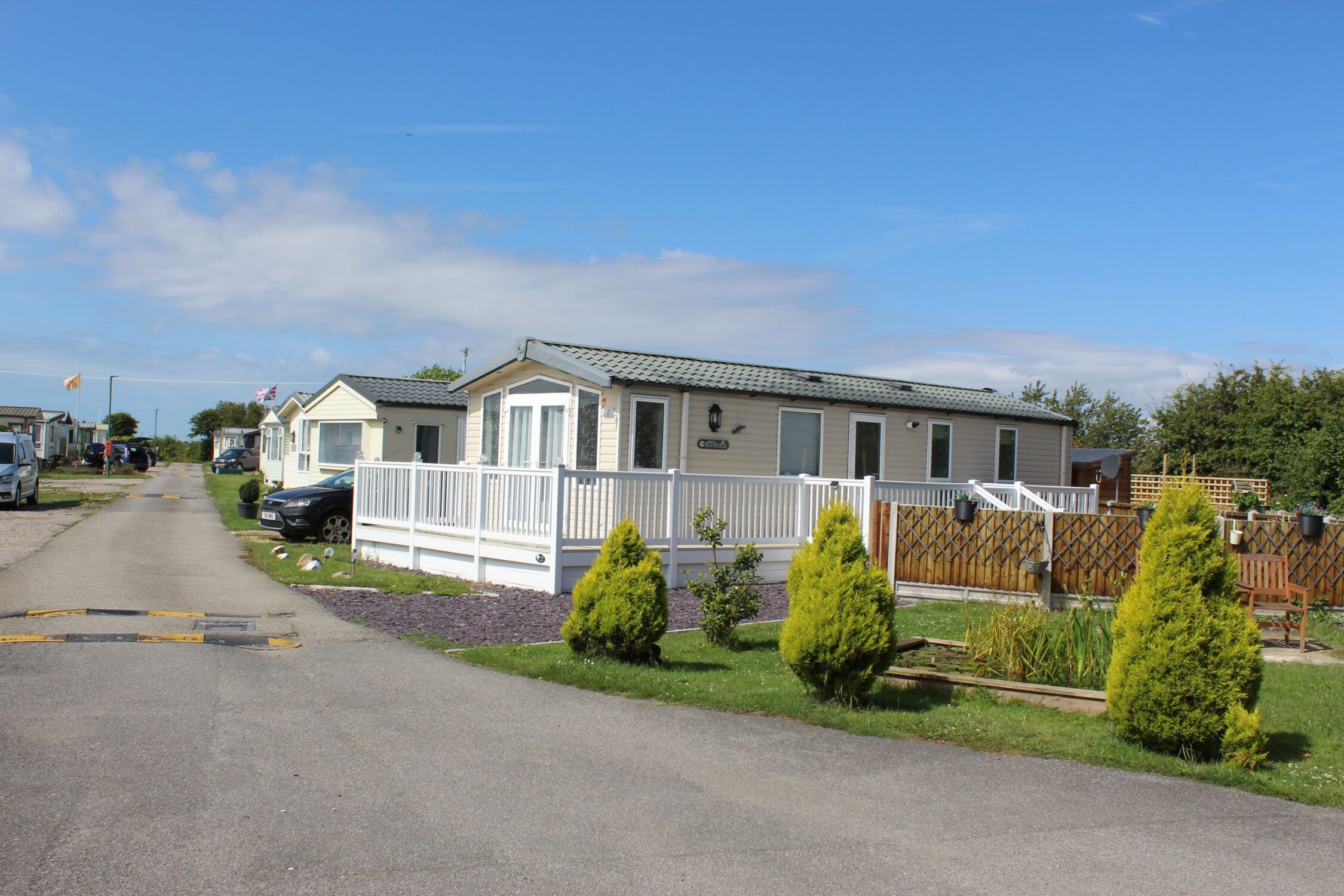
What type of accommodation arrangements can be offered to farm workers?Static caravans as accommodation for farm workers

There are several possibilities a farmer might have when providing accommodation for farm employees. The main two options will be to either create a tenancy or a service occupancy.

An assured shorthold tenancy (AST) involves an agreement that clearly outlines the tenant’s responsibility for the condition of the property and the responsibilities of the landlord during the agreed tenancy period.

Alternatively, an assured agricultural occupancy offers more secure, long term, accommodation that is let to farm workers as part of their employment.

A service occupancy can be also created as an option, but only where the accommodation is essential to the performance of the employee’s duties. In most cases for farm workers specific accommodation will not be considered essential.

How to ensure an AST agreement is in place for farm employees

The preference for most farmers will be to provide their employee with an AST. This is because it is a lot easier to terminate the tenancy when their employment ends. In order to do ensure an AST is in place, it is essential to serve the right forms on the employee before the tenancy commences. A ‘Form 9’ will need to be provided before the tenancy starts.

If the correct forms are not served at the commencement of the tenancy, then an assured agricultural occupancy may be created which may give the tenant greater security even if they have stopped working on the farm.

It is important to remember that for employers intending to grant farm workers an AST, they will still have to make sure that all the requirements of an AST are met, otherwise they may not be able to serve a Section 21 Notice if they intend to evict the tenant.

If the farm employee has an AST or an assured agricultural occupancy, the employer will be able to charge a market rent for the tenanted/occupied property.

What farm work meets the requirements for an assured agricultural occupancy?

If an AST has not been created for the farm worker, in order to benefit from an assured agricultural occupancy, the employee will need to be working in agriculture and meet the ‘agricultural worker condition’. These include normal farming agricultural activities such as arable farming, dairy farming, livestock or forestry but does not include employment in gamekeeping or horse training

What if a farm worker tenancy is already in place?

If the farm employee (or former employee) began residing in the accommodation prior to January 15, 1989 they may be protected by the Rent (Agriculture) Act 1976. If this is the case, they will have security of tenure and you will only be able to charge them a fair rent.

If the tenancy started after January 15, 1989 then they will be either an assured agricultural occupant or an AST.

What happens when the farm worker’s employment ends?

Providing an AST has been properly created it will be possible to end the tenancy quite quickly to tie in with the end of the worker’s employment. If there is a service occupancy, then the right to live in the accommodation will end at the same time as the employment ends, dependant on their contract of employment.

If your tenant is an assured agricultural occupant, or qualifies under the Rent (Agriculture) Act, then gaining possession is harder as the tenancy will not necessarily come to an end when the employment ends.

In this case, to remove the tenant, you will need to consider any grounds for possession, serve the correct notice and potentially apply to Court for an Order.

Similar Articles

Guide To Buying A Holiday Home

Guide To Buying A Holiday Home

Owning a holiday home is so much more than four...

Read More
Pros and Cons of Downsizing Your Home

Pros and Cons of Downsizing Your Home

Downsizing to a smaller home can be a real opportunity...

Read More
Decking and Skirting Advice

Decking and Skirting Advice

Decking and Skirting Advice Decking & Skirting This article aims...

Read More
Static Caravans for Equestrian Facilities – What are the benefits?

Static Caravans for Equestrian Facilities – What are the benefits?

The Benefits of Static Caravans for Equestrian Facilities Equestrian facilities...

Read More
News

Profitable Ventures on Your Land: The Lucrative World of Luxury Lodges

Profitable Ventures on Your Land: The Lucrative World of Luxury Lodges

For Landowners: Transforming Your Property into a Source of Sustainable Income

Are you a landowner looking for innovative ways to monetise your property? Have you considered the burgeoning market of holiday lodges? In this detailed exploration, we’ll delve into why investing in luxury lodges can be a profitable and smart choice for landowners seeking to make the most out of their land.

The Appeal of Holiday Lodges

Holiday lodges, particularly in the luxury segment, are rapidly gaining popularity among travelers seeking unique, comfortable, and eco-friendly accommodation options. Our lodges, retailing between £80,000 to £300,000, are not just a symbol of luxury but also a beacon of sustainability, saving up to £2,500 annually on energy bills thanks to their high-spec design.

Higher Rental Income

Luxury lodges stand out in the rental market. With the ability to charge between £180 to £260 per night, depending on the location, they represent a significant income stream. Locations near key attractions like nature trails, beaches, or lakes, and those offering additional amenities like breakfast services and luxury toiletries, can command the higher end of this range, approximately £240 to £260 per night. With the average occupancy rate in the UK being 60% (219 days) you could gain £52,560 revenue in just the first year!

Turnkey Management Solutions

For landowners preoccupied with other commitments, companies like Canopy & Stars offer comprehensive management packages. They handle everything from bookings to guest arrivals and can even coordinate cleaning services post-departure. This hands-off approach allows you to earn passive income without the day-to-day hassles of property management.

Additional Reasons Why Luxury Lodges Are Profitable

  1. Year-Round Attractiveness: Unlike traditional holiday accommodations, luxury lodges have an enduring appeal regardless of the season. Their robust build and high-spec insulation make them comfortable all year round, ensuring a steady stream of guests even during off-peak seasons.

  2. Growing Market Demand: There is a rising trend in travelers seeking unique, personalised accommodation experiences over standard hotel stays. Luxury lodges cater to this market by offering exclusivity, privacy, and a closer connection to nature – factors that are increasingly valued by modern travelers.

Maximising Profits: How to Get the Most Out of Your Luxury Lodge Investment

Location Optimisation

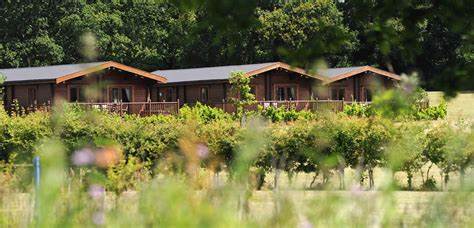
Choosing the right location for your lodges is crucial. If your plot of land is close to busy roads or areas of noise pollution, then you may need to consider how to create relaxing spots for your guests. Clear access in and out are also required to ensure safety on site. If you haven’t purchase your land, proximity to tourist attractions, natural beauty spots, and easy access to local amenities can significantly boost your lodge’s appeal and, consequently, its rental income.luxury lodges in the woods

Marketing Strategies

Effective marketing can greatly enhance your lodge’s visibility and attractiveness. Utilise online platforms, social media, and partnerships with local businesses to create a compelling narrative around your lodge’s unique features and location. If you don’t have the time, simply hire someone to do the work for you!

Quality and Service

Maintaining high standards of quality and service is key to ensuring repeat business and positive reviews. Investing in quality furnishings, offering personalised services, and ensuring a consistently high level of customer care can set your lodge apart in a competitive market.

Sustainable Practices

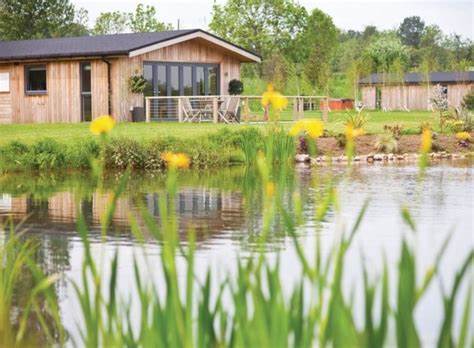
A Booking.com report saw that 76% of travellers are looking for sustainable travel options and 43% of people are willing to pay extra for the pleasure of a sustainable stay. Implementing sustainable practices not only reduces operational costs but also appeals to environmentally conscious travelers. From eco-friendly toiletries to green initiatives of discounts should they cycle or take public transport to your location can add value to your lodge’s proposition.Luxury lodges by a lake

Conclusion

Investing in luxury lodges is more than just creating a space for travelers; it’s about crafting unique experiences that resonate with the evolving preferences of modern tourists. For landowners, it’s an opportunity to diversify income, contribute to sustainable tourism, and be part of a growing market segment. With strategic planning, quality offerings, and effective management, luxury lodges can become a highly profitable venture on your land.

Similar Articles

Static Caravan or Lodge – Which Is Right for a Wheelchair Accessible Home?

Static Caravan or Lodge – Which Is Right for a Wheelchair Accessible Home?

When planning a wheelchair accessible annexe or disabled-friendly holiday home,...

Read More
10 Advantages of home care

10 Advantages of home care

Reaching the decision that you, or a loved one, need...

Read More
Are Static Caravans The Perfect Solution for Farm Accommodation & Staff Accommodation?

Are Static Caravans The Perfect Solution for Farm Accommodation & Staff Accommodation?

In today's fast-paced world, businesses often require flexible solutions to...

Read More
Pros and Cons of Downsizing Your Home

Pros and Cons of Downsizing Your Home

Downsizing to a smaller home can be a real opportunity...

Read More
News

The best UK holidays for families in 2024: An ultimate guide

The best UK holidays for families in 2024: An ultimate guide

Looking for your next family holiday for 2024, read through our list of Britain’s most family-friendly destinations, from Blackpool to the Isle of Wight

best uk holidays for families

Whether you’re searching for ideas for February half term ideas, inspiration for summer holidays, October half term holidays in the UK or the best city breaks with kids and places to take kids before they grow up, you’ll want to browse our ultimate pick of the best UK holidays for families for 2024.

Britain is packed with terrific places to travel with children, including family beach holiday hotspot Blackpool and the scenic North York Moors National Park, where forest walks and steam train rides are a must-do.

Families who love adventures will want to check out Snowdonia, where you can spend days enjoying watery activities, going underground and exploring the mountains. Then there’s the Isle of Wight for dinosaur-lovers will enjoy. For a fast-paced UK holiday for families, London appeals to all ages, while Paignton offers the perfect blend of beaches and the countryside.

It’s not all action on these family-friendly holidays though as we’ve picked the best family hotels in the UK, where the kids can relax after days out exploring the surroundings. And there are plenty of opportunities for the parents to unwind too, whether it’s with spa time or afternoon tea.

From St Ives to the Scottish Highlands, browse the best UK holidays for families in 2024.

1. Snowdonia, Gwynedd/Conwy

best uk holidays for families
Hilton Garden Inn Snowdonia

Snowdonia offers one of the best UK holidays for families who love an adventure. From zip lining to surfing (to reopen later in 2024) and underground trampolining to the Snowdon Mountain Railway, there’s so much to experience here on an activity break. For traditional activities, there’s walking in the Ogwen Valley or the mountain biking paradise of Coed y Brenin.

However, it’s not all about burning energy as there are plenty of relaxing family-friendly attractions, such as the beautiful village of Betws-y-Coed (although the kids will enjoy wild swimming here) and Harlech Castle, which is like something out of a fairy tale.


2. Isle of Wight

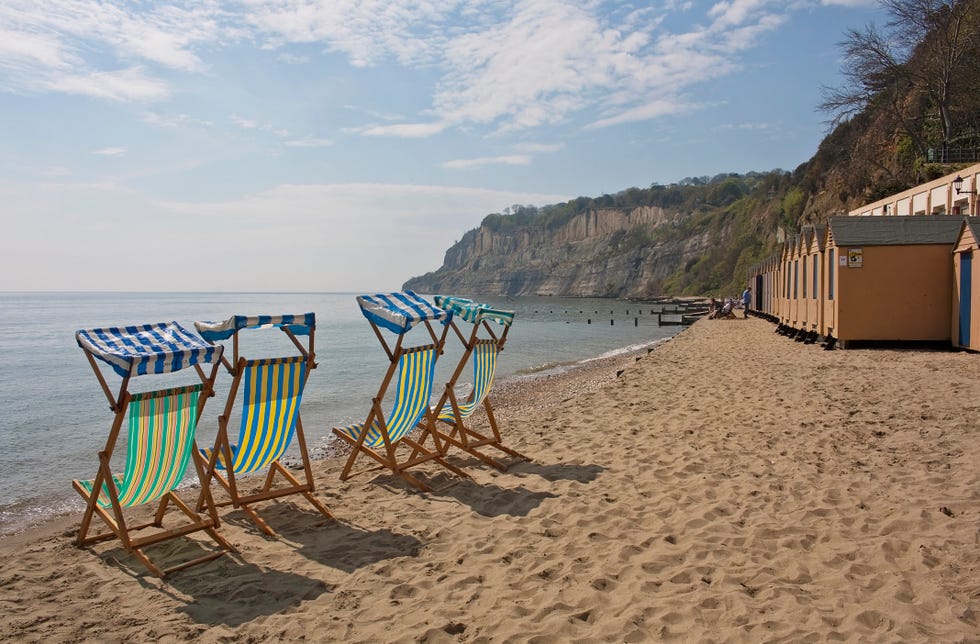
Shanklin, Isle of Wight

With its dinosaur heritage, gorgeous beaches, camping sites and an array of attractions beyond the sands, the Isle of Wight is one of the best family-friendly holiday destinations in the UK. The island’s wonderful child-friendly historic highlights include Roman ruins at Brading Roman Villa, historic castles like Carisbrooke, and beautiful royal home Osborne.

One of only seven UNESCO Biosphere Reserves in the UK, over 50% of the Isle of Wight holds Area of Outstanding Natural Beauty status, and is often rated among the best places in Europe for walking and cycling, with excellent trails for families. It’s a watersports haven too and, here, you can learn to paddleboard, kayak, windsurf, sail, wild swim and more.


3. Paignton, Devon

best uk holidays for families

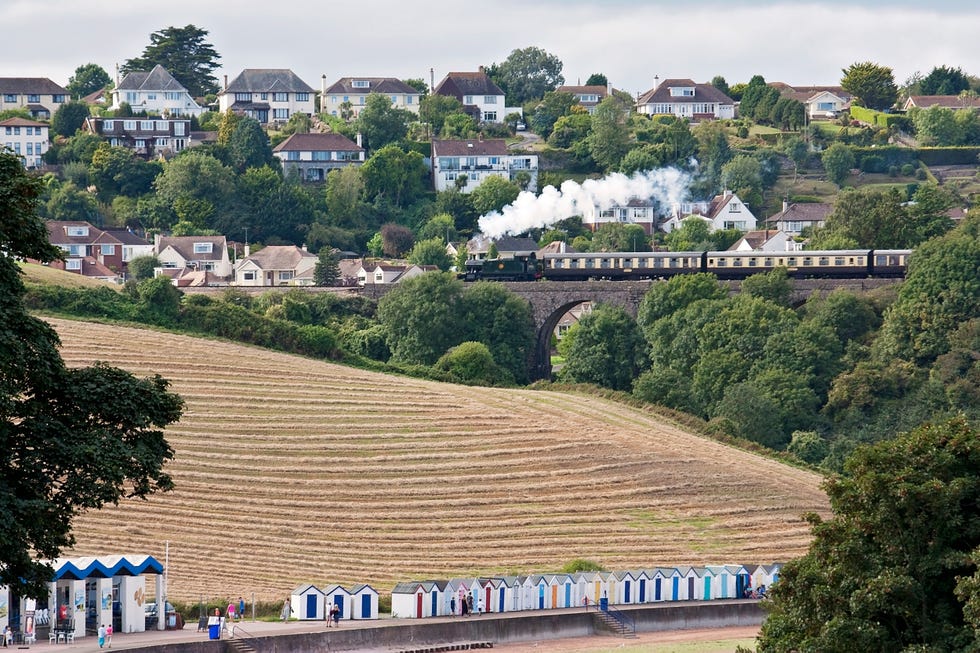
Steam trains, beaches and castles – Paignton is a playground for families in search of a holiday that combines the best of the beach and countryside. You can enjoy a paddle at Broadsands Beach, ride the Dartmouth Steam Railway and visit the National Trust’s Compton Castle.

Geoplay Park is a great spot for little ones to burn off their energy and the whole family can enjoy boat trips that stop in the towns of Torquay, Brixham and Dartmouth.


4. North York Moors, Yorkshire

best uk holidays for families

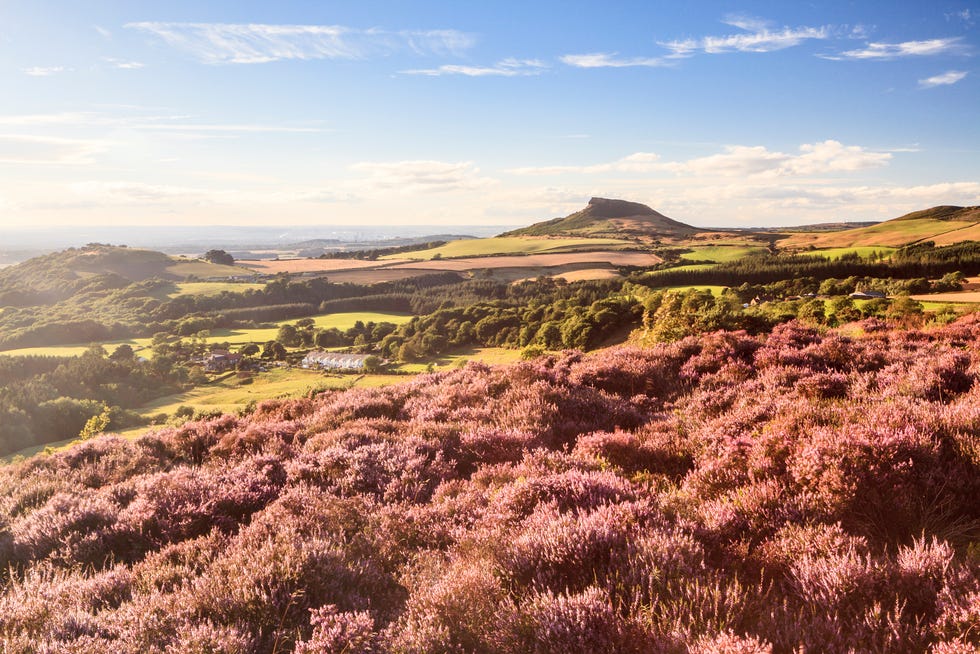
Perfect for families in search of a UK holiday that isn’t Cornwall or London, the North York Moors is an unforgettable destinations, whether you fancy a picnic or a paddle. Magical woodland walks are a must in Sneaton Forest, close to Midge Hall and the 30-foot Falling Foss waterfall, while the 2.5 mile green Ellerburn Family Cycle Route at Dalby Forest is completely traffic-free and perfect for exploring the Moors on two wheels.

At Goathland station, or Hogsmeade (the Harry Potter station), you can watch the North Yorkshire Moors Railway trains chug along. Along the coast, Staithes, Robin’s Hood Bay and Sandsend are worth checking out.


5. London

best uk holidays for familiesStephen Lux//Getty Images

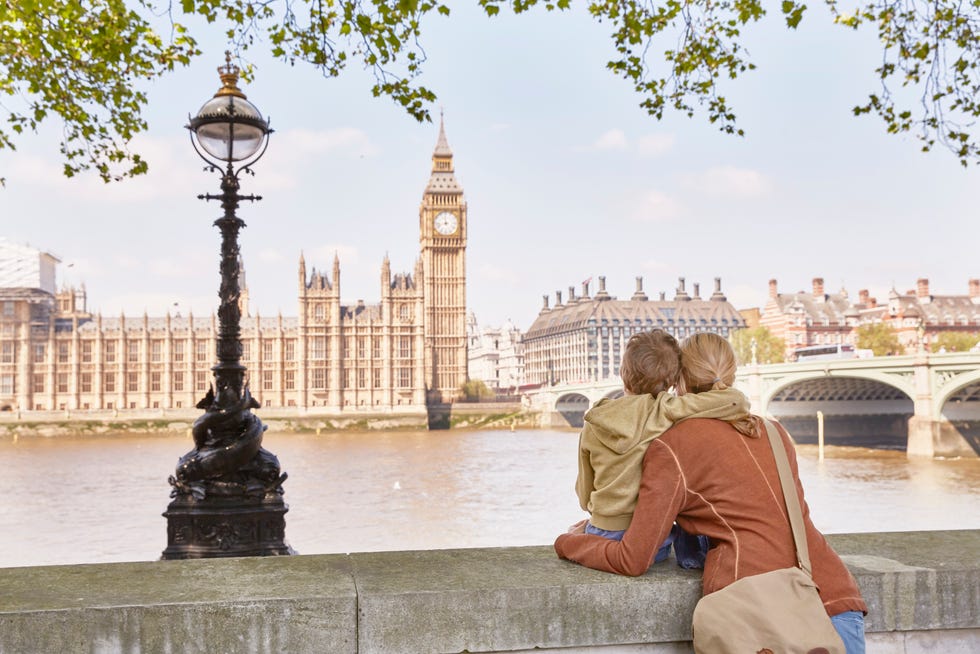
One of the best city breaks with kids in the UK, London will amaze children of all ages. They can stare at Big Ben, take in the views from the London Eye and pose with their favourite characters at Madame Tussauds.

The capital is simply brimming with things to see and do (check out this list of 101 activities). The Natural History Museum, the Royal Observatory Greenwich and City Cruises rides along the River Thames are other must-dos for families. Theatre trips, themed afternoon teas and a day at Kew Gardens are worth ticking off the list, too.


6. Cotswolds

best uk holidays for families

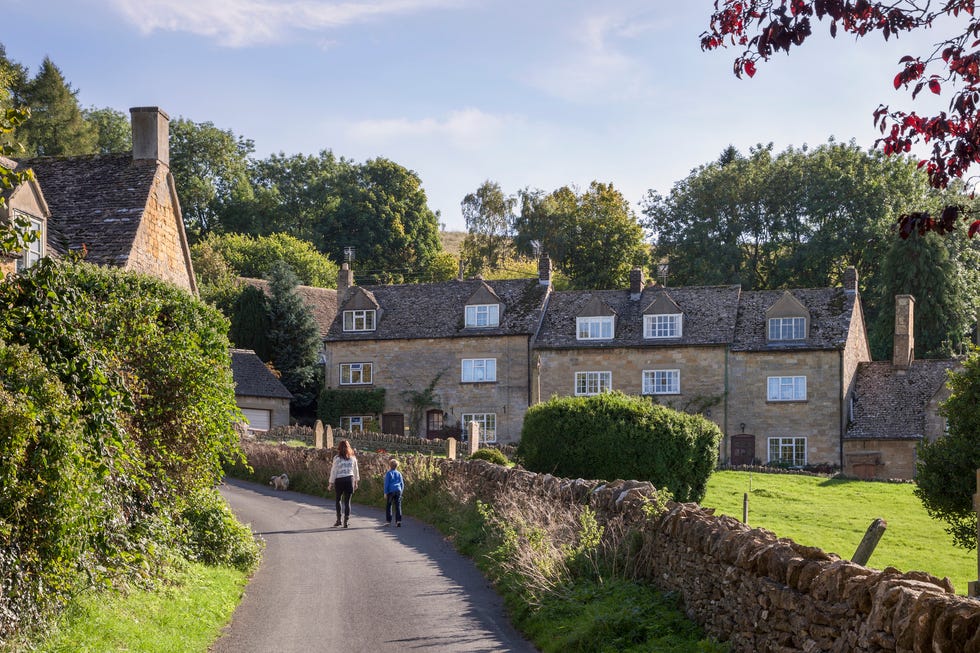
The Cotswolds are perfect for families looking for a picturesque UK holiday destination among rolling hills, chocolate box villages and outstanding gardens. Whether you’re staying in post-cad-perfect Broadway or the market town of Cirencester, there’s plenty to entertain everyone on a family-friendly trip to the Cotswolds.

You can meet animals at Cotswold Farm Park, spot butterflies and bluebells at Foxholes Nature Reserve and splash around at Cotswold Water Park. With plenty of countryside, the Cotswolds are ideal for energetic kids to run around too.


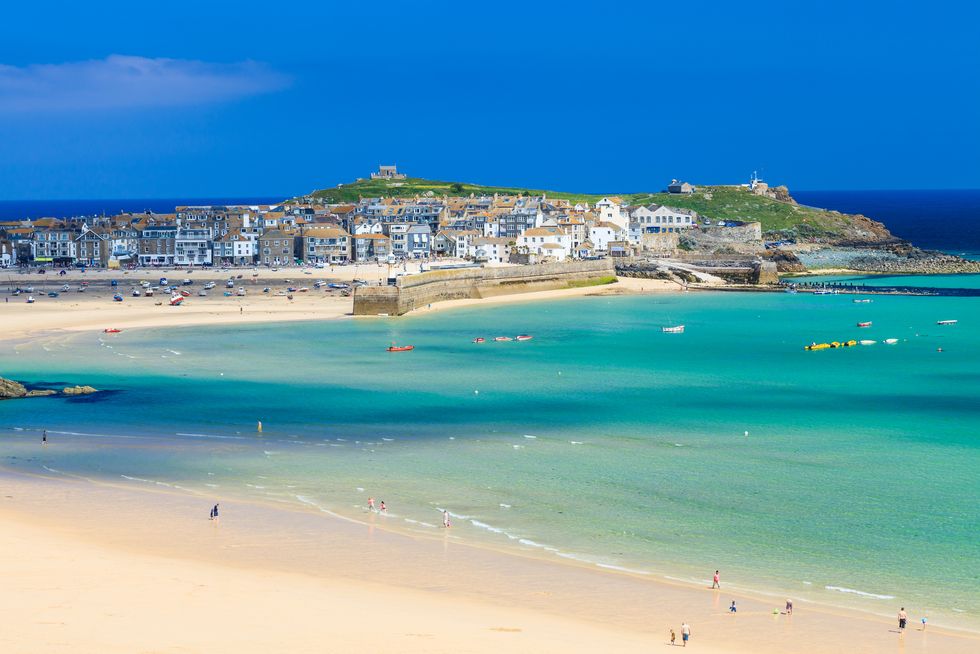
7. St Ives, Cornwall

best uk holidays for families

Cornwall is packed with dreamy family-friendly locations and St Ives has to be the loveliest. Whether you’re travelling with babies, teenagers or as a multi-generational family, this British beauty spot is a paradise for child-friendly escapes. First up, you’ll want to hit the beach to experience its stunning sands and turquoise waters.

Kids can learn to surf, go sea glass hunting and walk along the pier as they watch the boats sailing by. Older children might enjoy a visit to Tate St Ives or horseriding.

Where to stay: Tregenna Castle is a 72-acre family-friendly resort that sits high on a hill overlooking St Ives. There are family rooms and apartments, and it’s close to the beaches, restaurant and attractions of St Ives.


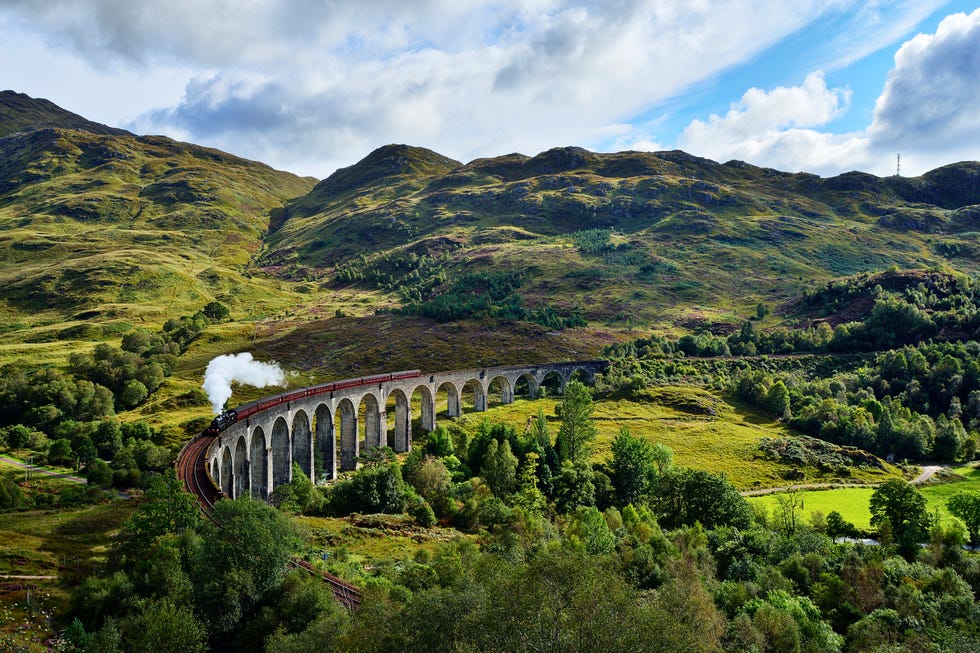
8. Scottish Highlands

best uk holidays for families

For the ultimate family holiday in Scotland, look no further than the Highlands, where Harry Potter-style train rides, incredible wildlife and adventures on lochs await. As a family, you can ride the Jacobite steam train, which featured in the Harry Potter films, and experience the Cairngorms, where mountain biking and canoeing are a must.

Loch Morlich and its beach are another highlight, while the pretty seaside town of Nairn is perfect for building sandcastles, paddling and beach games. For a lively day out, a trip to the city of Inverness is worth your time whatever the weather and is home to Inverness Botanic Gardens and Inverness Castle.


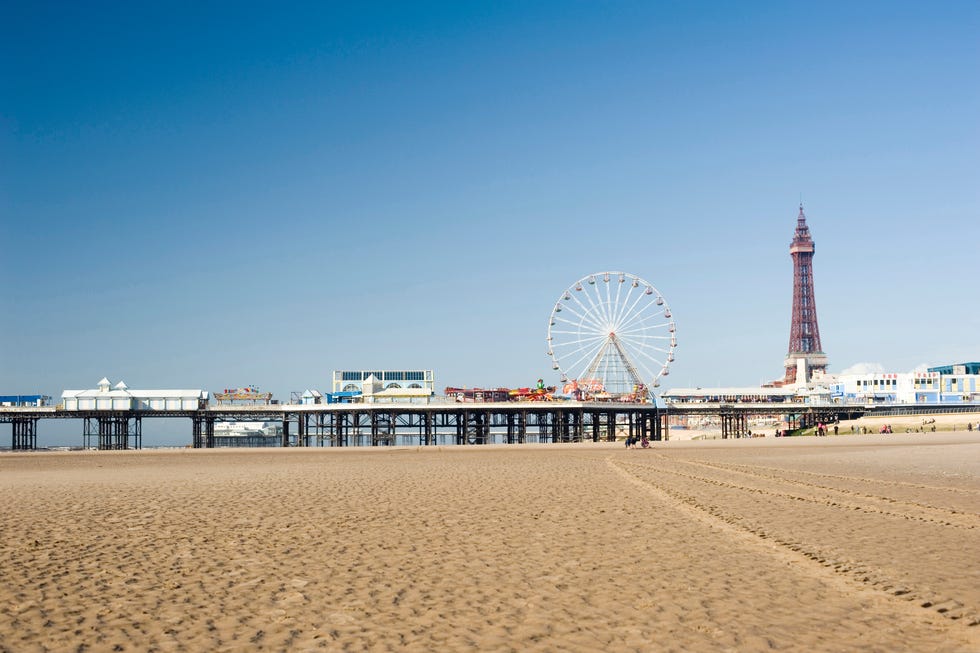
9. Blackpool

best uk holidays for familiesStephen Gibson / EyeEm//Getty Images

Looking for a classic family beach holiday destination? Blackpool offers oodles of fun and lots to do at the bright, bold seaside resort. You can kick off your shoes and feel the sand between your toes on the sandy beach, visit Stanley Park for its beautiful architecture and horticulture, and enjoy a splash at Sandcastle Waterpark, the UK’s largest indoor waterpark.

Blackpool Tower is a highlight and you can spend hours here practicing your quickstep in the Blackpool Tower Ballroom, enjoying afternoon tea and taking a trip to the Tower Eye and admiring the stunning views across the North West.


Similar Articles

Save Tens of Thousands with a Static Caravan or Lodge as Annexe Accommodation

Save Tens of Thousands with a Static Caravan or Lodge as Annexe Accommodation

Across the UK, families are facing growing pressure from the...

Read More
35 Questions to Ask When You Buy a Static Caravan

35 Questions to Ask When You Buy a Static Caravan

Are you looking to buy a static caravan? Owning a...

Read More
What is the new BS3632:2023

What is the new BS3632:2023

Guide to Understanding BS 3632:2023 Standards for Residential Park Homes,...

Read More
Meet Gareth, Our Trade Manager

Meet Gareth, Our Trade Manager

Meet Gareth, who looks after all the parks we supply...

Read More
News

Gas and Electricity Safety in Static Caravans

Gas and Electricity Safety in Static Caravans

Static Caravan Safety – Gas, Electricity & Fires
The provision of lighting, heat and power at your static caravan are all essential elements for comfort. Most caravans nowadays use both gas and electric so it’s important to acknowledge that proper maintenance and regular safety inspections are very important for you and your family’s safety.

Modern static caravans and lodges are all built to high standards, and are often fitted with domestic gas appliances. All gas appliances must be installed in accordance with current gas safety requirements and the appliance manufacturer’s instructions. This is to comply with the law and to ensure minimal risk to you and your family.

Important risks to consider are carbon monoxide poisoning and fire. Whilst static caravan fires are uncommon, they quickly take hold and devastate the unit.

Static Caravan Safety – Gas
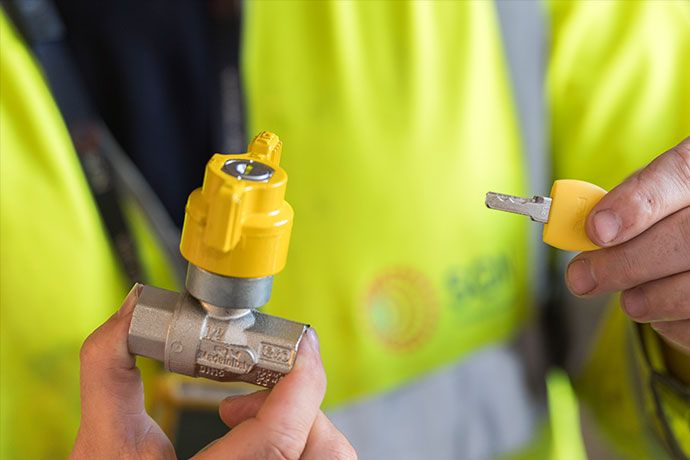
Annual gas safety checks are not mandatory in the UK, however they are increasingly becoming a requirement of many. Most parks now require that privately owned static caravans have an annual gas safety check. Typically a gas check will cost no more than £100 and a check certificate will be issued providing the gas pipework and appliances are considered to be in safe working order.

In addition it is always important to ensure gas equipment and appliances are regularly serviced for peace of mind. UKCC recommends that you have your gas appliances serviced annually.

If you are a letting a caravan equipped with gas appliances in the eyes of the law you’ll be considered a ‘landlord’ so you need to understand and comply with the law relating to gas safety. This law states that if you let a property, you must make sure all gas appliances you provide are properly maintained and a gas safety check is carried out every 12 months by a Gas Safe registered engineer. You must give your tenants a copy of the gas safety certificate within 28 days of it being carried out or before they move in.

Gas safety in static caravans

Our number one enquiry on this topic regards park operators insisting that a gas safety check is undertaken annually. Even if your contract doesn’t mention the requirement we advise that you arrange for a check to be completed by a competent person.

Static Caravan Safety  – Carbon Monoxide (CO)
Carbon monoxide is a highly poisonous gas. You can’t see it, taste it or smell it, but it can kill quickly with no warning. Accidents which have occurred as a result of carbon monoxide poisoning or asphyxiation are caused by a combination of circumstances, usually involving two or more of the following factors:

  • Inadequate ventilation (permanent air inlets)
  • Unsatisfactory flueing
  • Poor appliance performance
  • User interference
  • Lack of servicing and routine maintenance
  • Incorrect use and failure to follow user instructions

For more information about carbon monoxide poisoning visit www.co-awareness.org and www.gassaferegister.co.uk

Static Caravan Safety – Electric
Who should carry out electrical work in my caravan?
Although many incidents are caused by faulty appliances rather than the electrical installation itself, a well maintained installation could significantly reduce the possibility of accident or injury.

So, it is important that any electrical installation work is carried out only by people who are competent. This means people who have the knowledge, skills and experience needed to avoid dangers to themselves and others that electricity can create. Speak to your park owner who should be able to recommend some reputable local trades people. Get to know your electrics by identifying where the consumer unit (fuse box) is.

If you let your caravan or lodge – unlike gas – there is no legal requirement for you, the landlord, to obtain and renew an Electrical Safety Certificate. However, landlords are required, by law, to ensure that all electrical appliances, circuits and fixed installations within the property are safe and are not hazardous to their guests.

Electrical safety checks can be carried out by yourself, but it is strongly recommended that you get a full inspection by a qualified electrician to ensure the electrical items in your holiday let are safe. Portable Appliance Tests (PAT) are also advantageous as they’ll provide a good audit trail to prove that you’ve been responsible with a checking and testing regime. The key thing to understand is that if something does go wrong at your holiday home that results in injury or loss that you’ve taken adequate measures to ensure the safety of the electrics and appliances in your caravan or lodge.

Static Caravan Safety – Electric: Obvious Dangers
Maintenance – always unplug an appliance before you attempt any maintenance. You risk injury from electric shock, burns and mechanical movement if you tackle maintenance before appliances are unplugged and have cooled down.

Drying clothes – never dry clothes on an electric heater. Many electric heaters have ventilation slots to prevent overheating. If these slots are covered up, the appliance could overheat and catch fire or if water drips in there is the risk of electric shock.

Downlighters – for your safety you should check downlighters and their surroundings for signs of overheating such as discolouration and scorching. You should always ensure that there is adequate ventilation space below and around downlighters and that the correct bulbs are used.

Combustible materials – never store combustible materials close to your electricity meter or consumer unit.

Adapters & Extension leads – don’t overload adaptors or use adaptors plugged into adaptors. Never buy cheap, sub-standard adaptors.

RCDs – when using electrical equipment outdoors ensure that you use a Residual Current Device (RCD). An RCD provides a level of protection against electric shock that normal fuses and circuit breakers don’t.

Fixing electrical failures and faults should never be attempted yourself. Should your electrics fail when you arrive at your static caravan after a break away, it is a good idea to contact your holiday park’s maintenance team.

Checking your appliances periodically for wear and tear can be a good way of helping to ensure safety.  This can include:

  • Checking the cable covering for cuts and abrasions
  • Checking that the cable covering is gripped into the plug top, so that no coloured cable cores are visible
  • Checking that the plug casing is not cracked and that the pins are not bent
  • Checking for signs of burning or overheating, especially the plug and socket
  • Checking that there are no loose, damaged or missing parts

Static Caravan Safety – Fires
While prevention is much better than cure, should a small fire take hold in your static caravan, having safety devices close to hand can help to keep the worst at bay.

Fire extinguishers – it is recommended that at least one fire extinguisher should be located within your static caravan at a point of easy access.

Fire blankets – when resulting from fats and cooking oils, minor fires should be covered and extinguished with a fire blanket.

Smoke alarms – often the first alert for fires happening at night, smoke alarms are a must. These should be tested regularly and at least every time you arrive at your static caravan home.

In the event of an accident, while it can’t protect your assets from the fire itself, your static caravan insurance can protect you against its financial implications, allowing you to get back on your feet as soon as possible.

Similar Articles

What Does Residential BS3632 Mean

What Does Residential BS3632 Mean

  The BS3632 Standard Explained When purchasing a Park home or...

Read More
What is the new BS3632:2023

What is the new BS3632:2023

Guide to Understanding BS 3632:2023 Standards for Residential Park Homes,...

Read More
Do I Need Planning Permission for a Static Caravan on Private Land?

Do I Need Planning Permission for a Static Caravan on Private Land?

Please CLICK HERE to see our wide range of homes...

Read More
Buying Land – All you need to know

Buying Land – All you need to know

Key information Greenfield and brownfield land present different challenges Not...

Read More
News

Pros and Cons of Downsizing Your Home

Pros and Cons of Downsizing Your Home

Downsizing to a smaller home can be a real opportunity for those looking to save money, and enjoy the equity freed up from their home sale.

The pros and cons of downsizing your home

What is downsizing?

Downsizing is when you buy a smaller home than the one you currently have. This is often a decision made by those who now have an empty nest, are struggling to deal with the upkeep of their home or are finding the related costs hard to deal with.

It may just be that you are eager for a change, want to simplify your life, want to move closer to friends or family members, or want to start a new phase in life. Whilst many people have been trying to upsize throughout their home-buying journey, downsizing can offer so many options!

What are the advantages of downsizing?

There are lots of advantages to downsizing your home. Firstly, if you’ve been in your current home a while, it’s likely to have increased in value, and you may be near to paying off your mortgage, if not having paid it off completely.

Buying a smaller, cheaper property will give you a lot of equity left over, to use for whatever you wish. It also means you can buy your new home as a cash buyer, giving you more options, a quicker chain and the ability to live mortgage free.

Downsizing to a smaller home means less upkeep, lower bills and more time to do the things you love. It’s an exercise in saving both money and time.

If you are downsizing in later life, it means you can choose a property that will be better suited to your needs as you get older. Instead of having to contend with your stairs, limited accessibility or a huge garden requiring maintenance, you can pick a property that can work for you.

Why wouldn’t I downsize?

Some people have got used to a home of a certain size and space, and perhaps nothing they look at really appeals. It can be hard, after years of aiming for more space to decide to move somewhere smaller. Perhaps everything seems poky, or you can’t imagine how you could ever fit all your items into a smaller property. It’s natural to be resistant.

There’s no real need to downsize if you’re opposed to the idea, but often it can offer a greater quality of life with the money you make from the sale. If you really don’t want to leave your home, but want access to the value of your property, you could consider equity release.

Property values change over time, which should be great if you’ve had your property for a while. You may find that your property has increased in value, and you should have a lot more to work with when looking for a new home. However, just because you want a smaller place, it doesn’t mean you necessarily want to change your location. You may struggle to find a smaller property in your area or feel that even the smaller homes are too expensive for you to truly benefit from the sale.

If you want to be in the same neighbourhood, or to be near family, you may find there aren’t many downsizing opportunities.

Lack of availability can be another issue. Bungalows, which were once hailed as the best option for those entering later life, or with accessibility issues, are hard to come by now. They are in short supply, as they take up a lot more space for one story, compared to the multiple flats that could be bought on the same site.
As such, appropriate homes can be hard to find.

Downsizing-to-free-up-family-housing-min.jpg

When should I downsize my home?

People downsize for multiple reasons. Whilst for some it may be an empty nest and a house that requires too much upkeep, for others it may be loneliness, divorce, accessibility or the loss of a loved one that prompts the move.

You can downsize at any point, but it’s worth doing some research into where you want to live, what kind of property you’d be happy with, and being realistic about how much you own.

Some always intend to downsize but can be shocked by how much stuff they’ve accumulated over the years in their homes. From the moment you start considering moving, it’s time to start working out what you want to keep. Anything that can be thrown away or donated, do so before you even put your home on the market.

If you’re downsizing due to divorce or a change in your financial circumstances, it can be frustrating to have to contend with a smaller space than you’re used to.

A downsizing checklist

  • Consider your reasons for downsizing? Is it necessary, are you happy about it, or is there another solution?
  • If you’re excited to downsize, consider where you want to live. Do you want to stay in the same area, move to the seaside, or buy a luxurious flat in the centre of town?
  • Look at the type of properties that would work for you, and whether you can afford them. Will you have to make a compromise or is there a lot for you to choose from?
  • Consider whether you want to pay off your mortgage fully before you sell the property.
  • Start throwing things away – donate, give items to family members and separate out the items that you really love and feel strongly about from those you don’t really need. It’s an opportunity to clear everything and save yourself money when you pay for removals.
  • Prepare your home for selling
  • Start viewing properties.

Downsizing can be fraught for some who aren’t looking forward to change, or have become accustomed to their home, but there are so many advantages and opportunities. From the chance to save on bills, make household tasks more manageable to the new décor and opportunities of a new area, downsizing can be incredibly exciting. And if you buy a cheaper property than the one you sold, that extra money can go a long way to helping you enjoy life in your new home!

Similar Articles

10 Advantages of Living in a Mobile Home

10 Advantages of Living in a Mobile Home

1. Affordability. Buyers who are looking for a practical housing...

Read More
Living in a Caravan On Site During your House Build

Living in a Caravan On Site During your House Build

Living in a Caravan On Site During your House Build...

Read More
Dog Friendly Holidays

Dog Friendly Holidays

If you’re a dog owner, you’re probably used to planning...

Read More
Annexe Accommodation for a Disabled Loved One…

Annexe Accommodation for a Disabled Loved One…

Adapting to life with a disability is rarely smooth-sailing, but...

Read More
News

Decking and Skirting Advice

Decking and Skirting Advice

Decking and Skirting Advice

Decking & Skirting
This article aims to advise about decking and skirting at caravan parks. We hope that it helps you with your situation.

When considering your choice of decking here are some key things to consider:

Contractual ObligationsDecking and skirting advice for static caravans

Check your pitch licence agreement to see whether you need to follow any guidelines or requirements. Most agreements require that all additional installations, such as decking and skirting have the permission of the park operator prior to installation.

Material
Wooden decking is often cheaper than other materials and the natural appearance can blend in well in a countryside or woodland setting. Fire risk is an obvious concern for caravan and park owners alike. Metal structures are another option with many shapes and sizes available.

Size
Check with your park about requirements that they may have. It would not be unreasonable for them to require some sort of plan to demonstrate the proposed structure. This is also a good idea even if not required at your park, as you can demonstrate the permission for the structure has been sought, and granted.

Manufacturer / Supplier
Many parks insist on certain products, manufacturers or companies to supply and erect decking.

It would not be unreasonable for the park to ask that they make the park aware when they are ‘on-site’.  To find a contractor, either speak to your park operator or fellow caravan owners. With more companies having a wealth of information and pictures on their websites, a search on the Internet may well be a good idea.

Ventilation
The BH&HPA provide guidance to park operators in a document titled:

Guidelines of Good Practice for the Transportation, Movement, Siting, De-siting and Commissioning of Single Unit Caravan Holiday Homes. With regard to skirting around the base of a caravan, the BH&HPA state:

20 BASE SKIRTING

20.1 Subject to any particular planning, site licence or contractual requirements, should the park or caravan holiday home owner wish to fit a skirting wall between ground level and the underside of the floor of the caravan holiday home, it is imperative to ensure adequate ventilation at points relative to each room, regardless of the materials used. As a general rule, skirting ventilators should provide at least twice the lowlevel fixed area ventilation as is provided in the caravan holiday home as low as possible within the skirting wall. Where the caravan is sited on sloping ground, any gases accumulating beneath it will pool at the lowest point, therefore it is essential that adequate ventilation is provided at that point.

20.2 There should be cross-flow ventilation to provide plenty of air movement under the caravan holiday home. The specification for ventilation in caravan holiday homes is detailed in EN721 which is available from the British Standards Institution (BSI).

20.3 Such ventilation is necessary to help provide proper draught for gas appliances as is mandatory by law. It also minimises condensation and allows any gases, fumes, etc. to escape in the event of any leaks that may occur inside the caravan holiday home.

If you would like a quote for your decking / skirting installation, please contact one of the team and we can organise for our preferred supplied to come out to you.

Similar Articles

What is the new BS3632:2023

What is the new BS3632:2023

Guide to Understanding BS 3632:2023 Standards for Residential Park Homes,...

Read More
What is ‘Off-grid’ living in the UK?

What is ‘Off-grid’ living in the UK?

What is ‘Off-grid’ living in the UK? In the UK,...

Read More
Holiday Home and Static Caravan Glossary

Holiday Home and Static Caravan Glossary

If you’re new to the world of static caravans then...

Read More
Buying a Static Caravan vs Renting a Home During a Self-Build Project: Which is Right for You?

Buying a Static Caravan vs Renting a Home During a Self-Build Project: Which is Right for You?

Building your dream home is an exciting adventure—but it also...

Read More
News

35 Questions to Ask When You Buy a Static Caravan

35 Questions to Ask When You Buy a Static Caravan

Are you looking to buy a static caravan? Owning a caravan is the most accessible way of owning your own holiday home. A static caravan provides you with the opportunity to go on holiday as often as you want to; without the added stresses of excessive travel, passports and all the unexpected costs that go along with getting to unfamiliar locations.

A static caravan is yours and you have the freedom to holiday anytime you want. Static caravans are not just a home from home, but one with all the luxuries, facilities and attractions of a top-notch tailored holiday. It is the cheapest and easiest way to have your own perfectly personalised holiday. In this article we have compiled the top 35 questions to ask when buying a static caravan;

1. What Costs are Involved in Owning a Static Caravan?

The pitch fee will be the biggest cost involved in owning a static caravan. The costs can vary between £2,000 – £10,000, depending on what the parks have to offer in terms of location, facilities and your pitch position.

Some parks will provide complete access to their entertainment and facilities within your pitch fee. On top of this, there are other fees connected to general living costs, such as electricity, gas, water and insurance. There will also be business rates to pay. All the expenses that you are required to meet should be a part of your written agreement with the park providers.

2. Do Holiday Parks Close for Winter?

A lot of parks are open for the twelve months of the year. Each holiday park has a tailored opening schedule, so it is essential to check when each is open and closed. Some are open seasonally, for instance, ten months of the year. It is useful to have full knowledge of the individual park’s planned opening as it will help you to schedule your holidays around it. A post-season closure might be ideal if you didn’t need to use your park home in the winter. It can also help you account for potential income (should you be renting it out).

3. Can I Live in a Static Caravan?

No, you cannot live in a static caravan on a holiday park as your main residence. If you want to live in a static caravan, you will need to either look for a residential park or have your own land to put the home on.

4. How long can I keep my static caravan on the pitch?

Parks hold limits on how long you can have your static caravan on a pitch. This will vary, with some parks offering a nine-nine year-long pitch and others offering as short as fifteen years. Whatever the age limit on a particular pitch, this will be outlined in your licence agreement and usually cannot be negotiated. So, do ensure that you obtain this information in writing and that you are aware of the facts.

5. Are Holiday Parks child-friendly?

Once again, the answer is that some do and some don’t. That said, there are plenty of options for you if you do have children. There are parks that offer entertainment for them, parks and activities, as well as children’s clubs and even childcare services.

6. Can you take Dogs to Holiday Parks?

Yes, most holiday parks are now pet friendly. Holiday parks have adapted over the years to cater for our four-legged friends and realise they are part of the family. However, there are still a few that are not, so ask the question and check the contract before you purchase.

7. Can I Sell My Static Static Caravan?

Yes, you can sell your static caravan and there are different options for selling. You must check with the park operators before placing the static caravan for sale. This information on selling is detailed in your licence agreement.

Another reason why it is so vital to ensure that you have a written contract – without one the process of selling your static caravan on its pitch could be jeopardised and you would have to liaise with your park operator for guidance.

8. Do Static Caravans need Insurance?

Yes, static caravans do need insurance. in fact, it will probably be a condition of your licence. Public liability insurance is imperative for your static caravan. This should always be included in the wording of a policy. It is recommended to check with the holiday park operators regarding insurance responsibilities. They will have a wealth of experience on the subject, a sound knowledge of exactly what is required and will be able to point you in the right direction ensuring your policy is aligned to your requirements. Read further about Static Caravan Insurance.

9. Can I Rent or Sublet my Static Caravan?

This can be a great way for static caravan owner to subsidise their pitch fees and other costs when they buy a static caravan. A lot of parks allow this as an option. Do, however, be sure to seek independent advice when purchasing as a ‘buy to let’ and be savvy when receiving schemes such as ‘Return on Investment ‘ (ROI) and ‘guaranteed lets’.

10. Can I lend my Static Caravan to Friends and Family?

Yes, you can usually lend your static caravan to friends and family. This is one of the most prominent benefits of owning a static caravan. A static caravan may be shared and enjoyed amongst friends and family. However, check the contract before purchasing.

11. Does a Static Caravan Require Maintenance?

Yes, a static caravan does require maintenance. By carrying out simple maintenance, you will be able to increase the lifespan of your static caravan. Be sure to keep hold of the manufacturer’s handbook, it will contain all the detail and outline all aspects of maintenance and general care. The majority of manufacturers do now offer extended warranties but know that these don’t tend to cover wear and tear.

The manufacture of static caravans is to a high standard and the newer the static caravan, the less maintenance they should require.

12. Can you get a Static Caravan on Finance?

Yes, finance is available for static caravan finance. This is subject to the usual checks and conditions. A holiday park will usually have an existing relationship with a finance company that they will offer to you, by way of assisting you with spreading the cost.

Do be aware, though, that there can be a high-interest rate within these schemes. You may want to seek independent advice before signing any finance agreement and agreeing to buy a static caravan. Banks will also loan on the purchase of a static caravan.

13. Is it possible to place a Deposit on a Static Caravan?

As with many things, this entirely depends on the individual park operators. Some parks will allow a deposit service on static caravans, holiday homes or pitches. Whilst others will ask for payment in full.

14. What is the minimum deposit amount?

Again, this will vary depending on the individual holiday park. But as a ballpark, you are likely to need a 25% deposit to reserve a holiday home.

15. Do Static Caravans need a TV Licence?

No, you don’t need a separate TV license for your static caravan If you already have a registered TV license to any address in the UK.

16. Does the Holiday Park have its own entertainment and sports facilities?

This differs from park to park. Many have an array of onsite activities and facilities. Some parks offer these for free. Others will sell passes to access their entertainment offer, these costs vary so it is valuable to check the park’s pricing. It is well worth finding out if these facilities are open year-round, or seasonally, as well as when they close day-to-day.

17. What Entertainment Facilities or Activities are close by?

Sometimes, part of the joy of the holiday park is that it is close to local attractions. Often parks have been developed in particular locations because they are a destination point for certain activities. Many parks hit the perfect balance between locality and in-site facilities.

18. How Much are the Site’s Fees?

Site fees will vary from park to park and are often dependent on the specific location. You can expect to pay higher site fees if the park is in a popular holiday location as opposed to a quiet rural location.

19. How often do Site Fees Increase?

You can access the history of how specific site fees increase, how frequently they do so and to what value. This can be really useful in your effective budgeting

20. Can I Pay my Site Fees in Instalments?

This depends on the individual park or park group. If you’re worried about paying the site fee in a lump sum in some cases you may be able to pay site fees in a series of instalments rather than in one lump sum. Some parks offer systems, where you can pay quarterly whilst others, maybe half-yearly or yearly.

21. How is Gas and Electricity paid for in a static caravan?

This differs between parks. On some you will be getting your gas from a bottle that you pay as you use it, others will have a mains gas supply that is incorporated into your annual charges. Generally speaking, your pitch will have its own electricity metre, which will also be part of your annual payments. It is always good to check the frequency of these payments and how you are expected to pay them with your park provider so that they can be included in your budgeting.

22. Can I Expect there to be Internet Access on the Park?

If internet access is a required part of your holiday experience then you’ll be happy to know that many parks have either Wi-Fi access or that a dongle can be used in that area. Obviously, information is readily available on what the best service provider is for that particular area.

23. Do Pitches come with a Parking Space?

Yes, most pitches will come with a designated parking space. But should you need extra parking for any visitors or people you are holidaying with, then you will need to check with your holiday park.

24. Are there Shops on the Caravan Park Site or Nearby?

The vast majority of holiday caravan parks will have an on-site shop, that is easy to access. That said, these shops are more often than not somewhat more expensive than your average supermarket. They are very handy if there is a shortage of shops in the local area. You can search any supermarkets in the vicinity, and some do offer delivery to parks and sometimes individual static caravans.

25. What Guarantee can I expect when Buying a Static Caravan?

In general, the guarantee usually lasts between one and three years, but some even have a five-year guarantee. All the information of the warranty can be found in the Manufacturers’ Guide upon purchase of your static caravan.

26. Does the Park Operator have Staff available 24/7?

Caravan holiday parks have intricate staff bodies that provide the smoothest possible experience. But it is helpful to know what those staffing arrangements are ahead of your purchase, to help you to be prepared for any emergencies that may occur.

27. What Security is in place for when the Caravan Park is Closed?

Should you be purchasing a static caravan on a park only opening seasonally, it will be imperative to know that your property is safe and secure outside of that season, when you are leaving it behind. All caravan parks will have the staffing to cover this securely and ensure that your holiday caravan is safe. You can always ask about what this entails to put your mind at rest.

28. When is the Best Time to Buy A Static Caravan?

There are no concrete factors that combine to make the best time to buy a static caravan, other than your circumstances and when you are ready. Once you have gathered all the information that matters to you, had all of your questions answered and firmly decided that a static caravan is everything you had hoped it would be then this is the right time to buy.

There can be post-season deals to be had when buying a new static caravan. However, the best caravan parks always have highly sought after plots, so there is little difference. If you have engaged the services of a caravan dealer, you can and should always ask if there are any discounts: you have nothing to lose.

29. Do you Pay Council Tax on a Static Caravan?

No, you do not pay council tax on static caravans. Council tax is specifically reserved for the main residence. When you buy a static caravan, it should be intended for holiday use only.

30. Do you Pay Business Rates on a Static Caravan?

It is very likely that you will pay a fee that contributes to the holiday park’s business rates. See this as a council tax alternative.

31. Can I have decking on my Static Caravan?

Although a static caravan is individually owned, whether decking is allowed is up to the park operator. Before decking is added to a static caravan

Decking is an investment into your lifestyle and maybe part of your holidaying needs. Therefore, you want it to be idyllic and up to your tastes and standards. When you buy your static caravan, it may already have the decking included, or if new, there may be an additional cost for the decking.

32. Do I Need to pay for Siting and Connection of the Static Caravan?

Some parks offer siting and connection as part of your licence agreement. However, some parks may charge an extra fee for this service. Many parks will include siting and connection as part of your licence agreement. That said, there can sometimes be an additional fee for this service.

33. How do I arrange to get my Static Caravan Sited?

Your static caravan will be sited by the park operator or supplier. This will be executed on your behalf, but the park operator should consult with you through the process. If you are moving your holiday home from another park, additional siting and connection costs may incur.

34. Are there any Park Rules?

Different parks have different rules and regulations but consistently tend to include noise regulations, opening times and how they operate their entry and exit registration. See our article on the differences between a holiday park and a residential park.

35. Should I Buy a New Static Caravan?

There are pros and cons to buying a new static caravan. For an older static caravan, the upfront costs may be less, but you can expect to pay more in the long run for maintenance. For example, a second-hand caravan may have ongoing maintenance issues, all of which will go on to derive extra costs. If you are buying to let, buying a new static caravan will be significantly easier to manage as a landlord and work out cheaper in the long run.

Similar Articles

Meet Gareth, Our Trade Manager

Meet Gareth, Our Trade Manager

Meet Gareth, who looks after all the parks we supply...

Read More
Things To Consider When Buying A Home For Your Own Land

Things To Consider When Buying A Home For Your Own Land

There’s a handful of reasons why you may want to...

Read More
Annexe Accommodation for a Disabled Loved One…

Annexe Accommodation for a Disabled Loved One…

Adapting to life with a disability is rarely smooth-sailing, but...

Read More
How to site a Static Caravan or Lodge

How to site a Static Caravan or Lodge

Siting a caravan can be a daunting thing. Of course...

Read More
News

Additional Costs to Consider When Purchasing a Static Caravan

Additional Costs to Consider When Purchasing a Static Caravan

When you make the decision to buy a static caravan, it’s an exciting time and one you’ll likely have budgeted or saved up for. In addition to the cost of buying a static caravan – whether brand new or second hand – you must also consider additional fees that come into play so you know how much it will truly cost.

Money

What other costs are there to buying a static caravan?

It is fair to say the bulk of the caravan costs are at the front end; buying the unit, moving the unit and setting it up. Once in place, they are very cheap accommodation and require little upkeep.

Front end costs

Planning applications

The cost of any relevant planning application needs to be considered. Whilst pretty much anyone can position a static caravan on their property, depending on how it is to be used will dictate what planning permission you may need. Certainly, if you intend to live in the caravan, we highly recommend you apply for a Certificate of Lawful Development.

Transportation

The cost of transporting your static caravan to you will vary depending on the distance it will have to travel. This typically includes preparing the model for transit and the use of a lorry and escort vehicle, as well as the staff required.  The cost depends on distances and complexity of access and also whether the home is a single unit or twin as this will require 2 of everything and can easily be £1500 – £2500 + VAT.

Lifting into the space

Will it fit? The more complex the access, the higher the cost there may be to receive your caravan. Certainly, if it cannot simply be rolled in on its wheels the cost will jump as a crane will be required to lift it into position. Caravans are very large and heavy items, so to lift them by crane can easily exceed £2500 + VAT.  If you have concerns about access to your property will highly recommend contacting us to organise a site survey to ascertain whether what you are looking to buy will fit.


Caravan siting

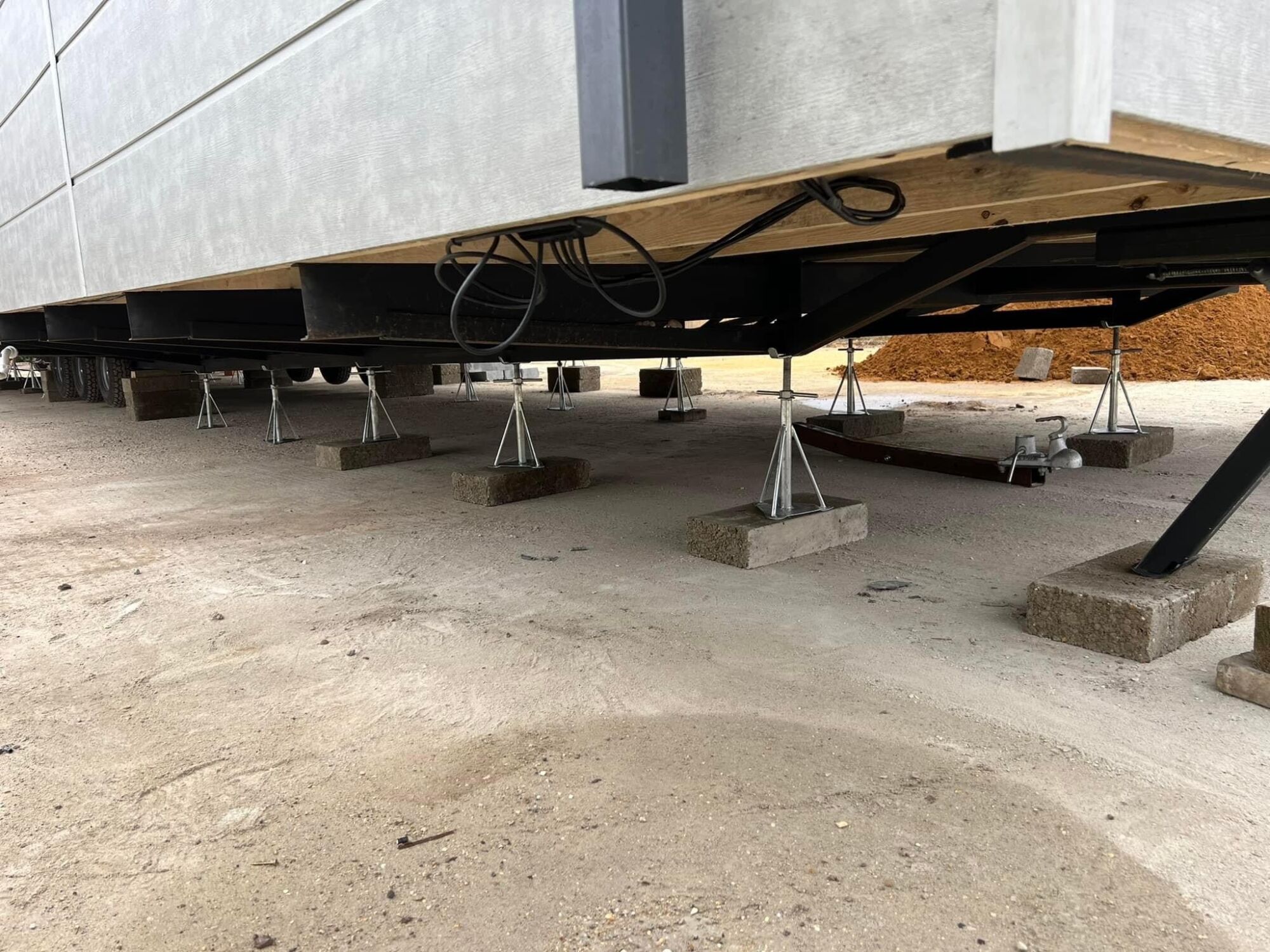
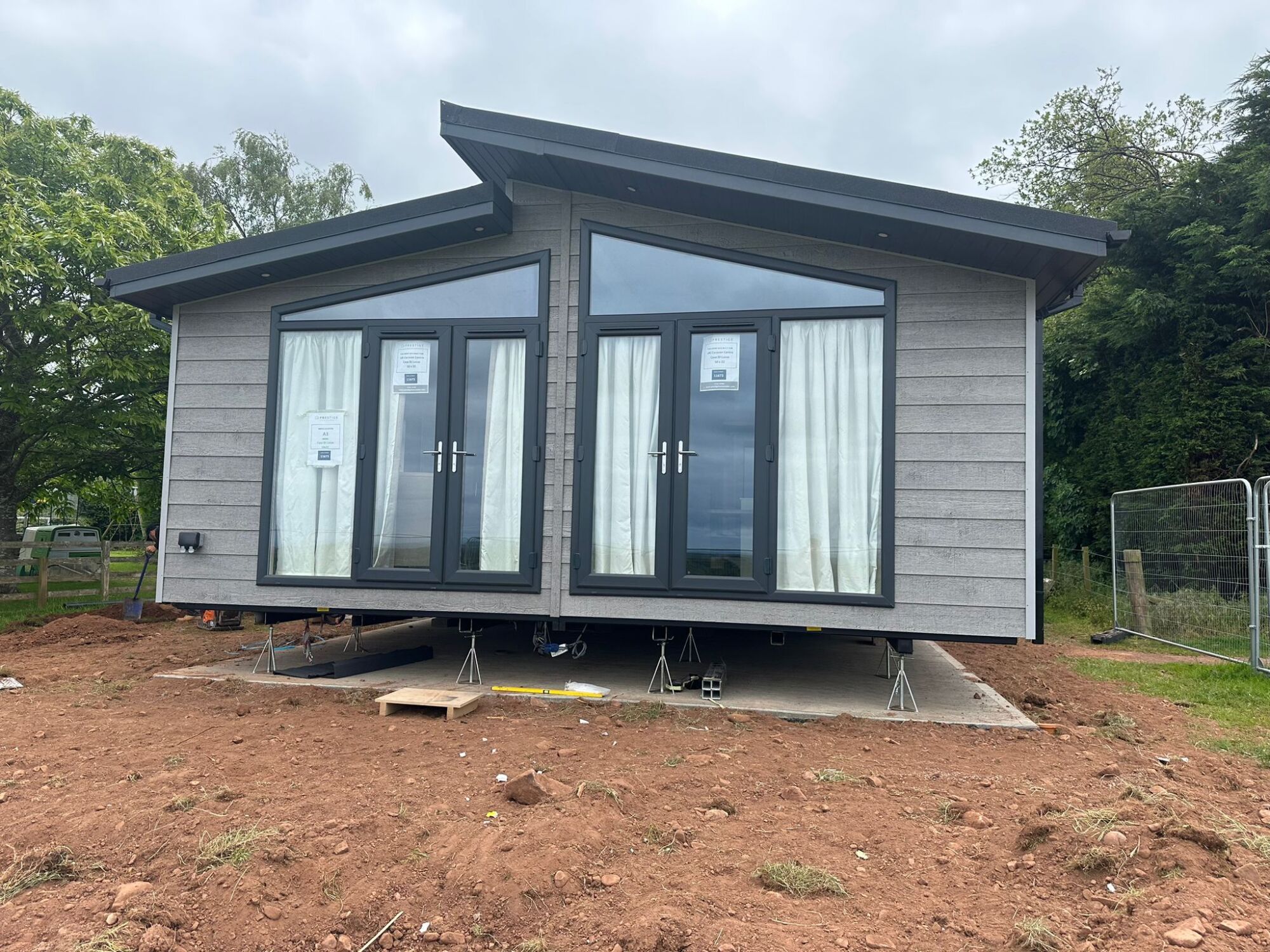
The cost of siting a caravan is the price of moving it from where the lorry can unload it to exactly where you would like it (usually using a custom modified 4X4). Once in position the caravan is raised off the ground on axel stands and concrete blocks and checked to be level.

Commissioning

Once level, the static must be connected. This requires:

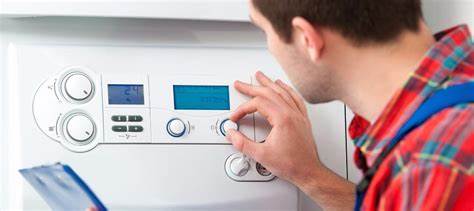
  • A plumber to connect up the fresh and waste waterBoiler service
  • A gas registered engineer to test and certify the boiler and any other gas appliances
  • An registered electrician to connect up the power.

As the caravan is in effect a small house, it can draw a significant amount of current and needs to be hard wired into a suitable consumer unit.

It is also essential you check and install pipe insulation and to make sure they are high quality – don’t skimp as the water pipes are exposed under the home and are very prone to freezing during the winter. In the event of frozen pipes, the best case scenario is that you won’t be able to use the shower or toilet. In the worst case scenario they will burst if they’re not insulated and the water can damage the flooring.

Ongoing costs

Pitch fees and service charges

If you are located on a caravan park, you will have to factor in your monthly pitch fees and service charges.

Gas checks

It is strongly recommended that the gas system is checked every year by a certified engineer. If you look after the caravan and deal with any small maintenance items when they come up, costs are very low.

Utilities

You will have the cost of your utilities just like any home and for a caravan gas will probably be the biggest expenditure. If you plan to have the caravan for a long time, treat yourself to a bulk LPG gas tank if you’re not connected to mains gas. These can hold 100-1000 litres and are filled up by a lorry. They’re much more cost effective and convenient than having to trek down to a Calor Gas dealer with heavy metal bottles every few weeks.

Boiler maintenance

If you’re lucky enough to be on mains gas, you will most likely need to have the boiler adapted to burn natural gas, as most caravan boilers are set up to burn LPG or bottled gas.

Rust protectionchassis of static caravan, sitting.

If you’re near the sea, unless you have opted for a chassis that is galvanised, rust will set in unless you paint and treat the metal chassis every year or so. Skirting in the caravan also helps keep the front out and salty sea air away from the chassis, but this is an additional cost.


Similar Articles

Holiday Home and Static Caravan Glossary

Holiday Home and Static Caravan Glossary

If you’re new to the world of static caravans then...

Read More
Static Caravan Cladding Explained

Static Caravan Cladding Explained

Cladding is the material that covers the outside of a holiday...

Read More
The best UK holidays for families in 2024: An ultimate guide

The best UK holidays for families in 2024: An ultimate guide

Looking for your next family holiday for 2024, read through...

Read More
Our Guide to Static Caravan Insurance

Our Guide to Static Caravan Insurance

Insuring your static caravan. We know that buying and owning...

Read More
News

What Does Residential BS3632 Mean

What Does Residential BS3632 Mean


The BS3632 Standard Explained

When purchasing a Park home or lodge, the term BS3632 standard may have been used in relation to its construction. But what exactly is it, and what does it mean?

This legislation impacts on your residential park home, whether you are planning to live there or use it for leisure purposes. In this article, we have broken down the key components of the legislation. So what has changed, and what is the impact of BS3632?

What is the BS3632?

The BS3632 is the British Standard to which residential park homes (and some lodges) are built. They are suitable for permanent residence (depending on the site licence) and are for all year round use.

The BSI – British Standards Institute – is a UK body that produces a range of standards for businesses and products to ensure they are fit for purpose.

First published in 1963, the BS3632 standard for residential park homes covers the quality of residential park homes. It also includes a list of criteria to ensure that all models fit their specific intention and are safe for dwelling. Finally, the technical aspects of the legislation cover all requirements and codes of practice that must be adhered to. These mainly concern the construction and design of the residential park home itself. This includes water, gas and electric supplies, ventilation systems, and preservation and maintenance of the residential park home. It will also have the measurements and size of the building itself.

 Why do the BS3632 standards exist?

The BS3632 standard for residential park homes exists to ensure a minimum standard that all residential park homes need to measure up to, or they cannot be sold, rented or lived in. Without this legislation, there is a chance that manufacturers could use building standards that are not appropriate for residential park homes. Either that or the residential park homes would be too basic, worse, and unsafe. Either way, the park home would not be fit for purpose.

Secondly, these standards need to exist because residential park homes are becoming a more popular living option. For example, residential parks are there for residents to live in and not for leisure or a seasonal basis. In order to be a permanent resident, the standards needed to be updated to exist more in line with conventional housing options.

What is the difference from the previous legislation?

Although the 2015 BS3632 version of the legislation may not have added any major updates, several amendments have been made to the 2005 BS3632 standard.

Some examples of the upgraded features in a BS3632 model residential park home include:

  • Increased wall, flooring and roof insulation
  • Double glazed windows as a requirement
  • Central heating (including higher minimum temperatures) and improved ventilation systems
  • All A-rated appliances, including low energy (LED) lighting where applicable
  • Scientific testing of walls and construction to ensure they are soundproof
  • Larger spaces for ovens and refrigerators/freezers
  • More rigorous advice and warnings
  • The inclusion of alternative and renewable energy sources
  • TMV2 / TMV3 thermostatic control of domestic hot water supply (prevents scalding)
  • No 5% VAT construction charge

Although minor, these additions and changes have resulted in residential park homes significantly improving in quality – not just in energy, but in general appearance and soundness of structure. Genuinely superior homes are now on the market, and more people consider them a long-lasting living situation.

Why is the 2015 BS3632 important?

There are several reasons why this legislation is essential. Not just for the implications to builders and manufacturers but also for residents of the home. Simply put, knowing these standards means allows the end-user to understand the quality that a residential park home should live up to, no matter what its purpose.

But there are more reasons than simply maintenance. Between 2005 and 2015, technology has improved significantly alongside it, so has energy efficiency. The amendments to the BS3632 legislation will, therefore, help contractors and manufacturers build not only more energy-efficient residential park homes, but ones that will also cost less to run and actually be more comfortable to live in on a more lasting basis.

How will this legislation affect me?

The BS3632 standard makes guarantees that the home built and fitted to the highest possible standard. All park home manufacturers (our sister company Landscape Living are park homes )who hold membership of the National Caravan Council must pass the British Standard Institute’s self-certification scheme to fulfil the updated criteria. This involves a rigorous process of testing and inspection of every point on the BS 3632 checklist. This is then summarised and sent away for verification. Once the structure has passed, each home will be given a Manufacturer’s Declaration of Compliance certificate. From this point, the residential park home is considered acceptable to be lived in.

Currently, there are two standards to which caravan holiday homes have to adhere – the BS 3632 and EN 1647.  The UK Caravan Centre sells both….. Call us now on 08002461206 to see what homes we have available.

The EN 1647 is suitable strictly for seasonal, temporary use only. Therefore, upgrading a  property to BS 3632 will improve the home to residential standards. These improvements include increased insulation, double glazing, modern central heating and more.

The infrastructure of a BS3632 standard home can be the main residence. This includes the winter months (provided the park has a residential license). Without the BS3632 standard, the home is not fit to be lived in.

It is clear therefore that the BS 3632 simply opens up a new world of residential living and holiday options. The BS 3632 has improved the quality and even the security of the structure. Significantly, means that residential park homes can be of the same standards as more traditional housing for substantially less money!


Similar Articles

Advice on Siting a Static Caravan

Advice on Siting a Static Caravan

In most cases your caravan or lodge will be sited...

Read More
Living in a Caravan On Site During your House Build

Living in a Caravan On Site During your House Build

Living in a Caravan On Site During your House Build...

Read More
Pros and Cons of Downsizing Your Home

Pros and Cons of Downsizing Your Home

Downsizing to a smaller home can be a real opportunity...

Read More
Profitable Ventures on Your Land: The Lucrative World of Luxury Lodges

Profitable Ventures on Your Land: The Lucrative World of Luxury Lodges

For Landowners: Transforming Your Property into a Source of Sustainable...

Read More
News

What is the difference between a Holiday Park vs a Residential Park

What is the difference between a Holiday Park vs a Residential Park

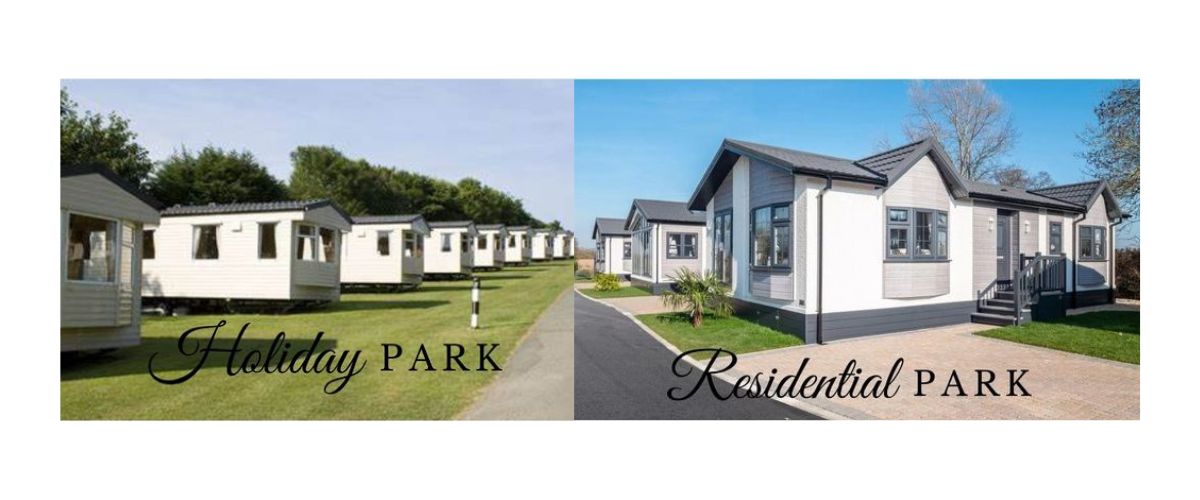
Firstly, we need to look at the difference between a residential home, which is usually a park home but can be a lodge and a holiday home. Static caravans and lodges are usually holiday homes.

Both a residential park home and holiday home come in many different styles and aesthetics, but they are different. Understanding the differences between the two is essential if you are considering buying one. This is because what you buy will have an impact on what you can do with your home. So let’s take a look at the main difference between a residential park home and a holiday home.

Looking for a Holiday Park : Click Here

What’s the difference between a Residential Park Home and Holiday Home?

The first way to know if a home is a residential park home or holiday home is by the standard it has been built to comply with.

Most holiday homes are built to EN1647 standards, whereas all residential homes will comply with the British Standard BS3632. This standard ensures that the home is suitable for permanent use.

Holiday homes aren’t required to reach the BS3632 standard. this is because they are designed for short term occupation. In fact, it is illegal to live in a property full time that doesn’t conform to the BS3632 standard, and you should not live in a home that isn’t BS3632 standard.

One thing to note is that many holiday lodges are now being built to the BS3632 standard. This isn’t a requirement for a holiday home. However, many holiday parks enjoy a twelve-month site license and a residential standard build allows the holiday homeowner to enjoy use throughout the year.

Residential Park, Holiday Park or Both?

Parks can be either residential, holiday or mixed-use. If the park is mixed-use, the park will have both holiday homes and residential plots/ homes.

If a park is residential, you have a ‘right of permanent residence, which allows you to live there permanently.  It can be your full-time home.  You can live there all year, and there’s no requirement for you to have another property somewhere else.

If a park doesn’t have a right of permanent residence, then you cannot live there full time.  You would need to have another residence elsewhere. There will be limits on how long you can stay at the park.  Even if the park is open 12 months of the year, you still can’t stay there all of the time if it doesn’t have a right of permanent residence.

How do you know if it is a Residential Park or Holiday Park?

So how do you know what use is allowed within a park or for a particular home?  The first place to start is the site license.  This license will be available on the park’s noticeboard or in the main office.  You can also ask the local council’s Licensing Department for this information or to see a copy.  Always check this yourself, and don’t take word of mouth as confirmation one way or the other.

A site license is something issued by the local council.  This lays out:

  • How many homes can be in the park
  • What services and amenities must be present
  • Any health and safety considerations

It will also state if the park has a residential or holiday home license or if there is a mixture and how this works out.  The park owner will be able to provide this information for you, and if you are buying a property, you need to know this is all in order before you make the purchase.

With the different uses come different legal considerations. Residential park homes are covered by The Mobile Homes Act 2013, which provides better protection for park homeowners as well as a legal framework for park owners to follow.

However, holiday home parks don’t come under this act, so they don’t receive the same protections. Here are some other differences between the types of parks;

1. Holiday Home Park Details

If the park has a holiday home license, then this will also state the maximum time that can be spent on-site in any one year.  Some sites may have a maximum number of consecutive days you can occupy the property – 60 days is common.  The local authority is the one that sets these terms.

2. Twelve Months’ Holiday Usage

Confusingly, holiday home parks often have a 12-month holiday use, but this doesn’t mean you can use it for 12 months of the year.  This means that some holiday parks are open for twelve months a year, rather than being closed during part of the winter, as was traditional.

However, it is part of the local authority license as to how long the park can open for and the conditions within that license.  So, if you are buying a holiday home, it is always essential to understand this before you complete the purchase.

3. Occupation Period

Another consideration is that a holiday home costs less than a residential park home.  One reason for this is that the occupational license for a holiday home is usually for a set time.  This might be ten years, 25 or 50 years.  A residential park home doesn’t have a time frame and can be used for as long as the home exists.

4. Residential Park Homes Council Tax

Another big difference between residential and holiday homes is the matter of council tax.  On a holiday home, you don’t pay council tax in the traditional sense. Whereas you must pay this on a residential property, just as with any other type of traditional home.

However, you need to pay business rates at a price agreed with the park owner as a part of the contract when you take over the property.  If you own a second home or holiday property, you also need to pay local authority rates similar to those on the main residence but come as part of park contributions.  This should be laid out in the contract.

5. Letting Out a Holiday Home

If you let the holiday home to tourists or even tenants, you can get a discount on the tax you pay.  The home does need to qualify as a furnished holiday home for this which, according to the government, means it is ‘sufficient furniture for normal occupation’.

You also need to ensure that you let the property be commercially available for at least 210 days a year – not including any days that you stay there yourself.  So effectively, you need to advertise it for at least 105 days to qualify for this.

If you are looking to let out your holiday home, you should ask your holiday park manager.

6. Home Construction Standard

Another way to know if a home is a residential or holiday home is by the standard it has been built to, although this is not always the case.

As a rule, holiday homes are not built to be permanent residences.  All residential park homes will comply with the British Standard BS3632, which ensures that the home is suitable for permanent use.

However, holiday homes aren’t required to reach this standard because they are designed for short term occupation.  It is illegal to live in a property full time that doesn’t conform to the BS3632 and should not be done.

Residential Park Home and Holiday Home Insurance

Because homes come in two categories, residential or holiday, there are different types of insurance.  Making sure you have the right one is vital to protect yourself.

Residential park insurance will protect you if the home is destroyed and you have nowhere to live. In contrast, a holiday home insurance policy wouldn’t cover for somewhere else to live because, by definition, you should already have another home to return to.  If you have holiday home insurance and plan to let the property, you may need business insurance and public liability.

What Happens If You Get The Wrong Insurance?

It should be made very clear when you are buying a park home what the nature of the use permitted is and which category it falls within.

If you then use a holiday home as a permanent residence, you can be considered in breach of the contract you signed when buying or renting the property.  This can lead to legal action as it is one of the ‘severe breaches of contract’ featured in legal paperwork.  It can even lead to eviction in the most extreme cases.

Residential Park Home or Holiday Home? Getting it Right

Knowing whether a park home is a residential or holiday home is one of the first things you need to understand when considering one.  The conditions of its use are more important than anything as it will ensure you can use the property legally and correctly.


The rules are clear, every park owner will be able to make them known before you consider a purchase. Alternatively, you can contact the local council to determine what license has been issued to the park.

If you need more advice please contact us on 08002461206 or click here to email us direct.

Similar Articles

Dog Friendly Holidays

Dog Friendly Holidays

If you’re a dog owner, you’re probably used to planning...

Read More
Decking and Skirting Advice

Decking and Skirting Advice

Decking and Skirting Advice Decking & Skirting This article aims...

Read More
How to site a Static Caravan or Lodge

How to site a Static Caravan or Lodge

Siting a caravan can be a daunting thing. Of course...

Read More
What Are Static Caravans Made Of?

What Are Static Caravans Made Of?

Static caravans, also known as mobile homes, holiday homes, park...

Read More